
Happiness & Success
Achieving Happiness Through Acceptance of Life
The quest for happiness often leads to frustration, as many fail to realize that the...








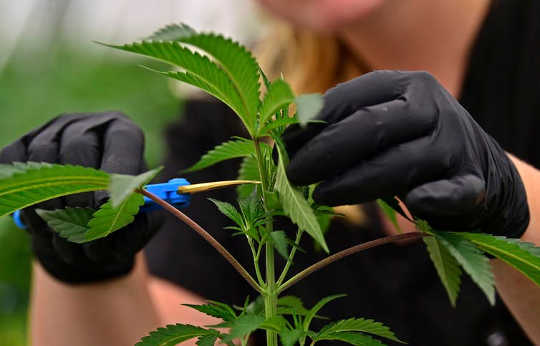
The midterm elections have further loosened marijuana restrictions in the United States. Voters in three of four states with ballot proposals on marijuana approved those initiatives.

In the wake of cannabis legalization in Canada, a team of scientists has delivered encouraging news for chronic pain sufferers by pinpointing the effective dose of marijuana plant extract cannabidiol for safe pain relief without the typical “high” or euphoria that THC produces.
 New research finds an association between some popular heartburn treatments and iron deficiency. Heartburn is a symptom of gastroesophageal reflux, which hydrochloric acid rising into the throat causes. This condition affects more than two million Australians. Many people take medications that suppress acid secretion to treat it.

Chewing gum may be an effective delivery system for some vitamins, according the new research. Nearly 15 percent of all chewing gum varieties sold promise to provide health-enhancing supplements to users, so researchers studied whether two vitamin-supplemented products were effective at delivering vitamins to the body.
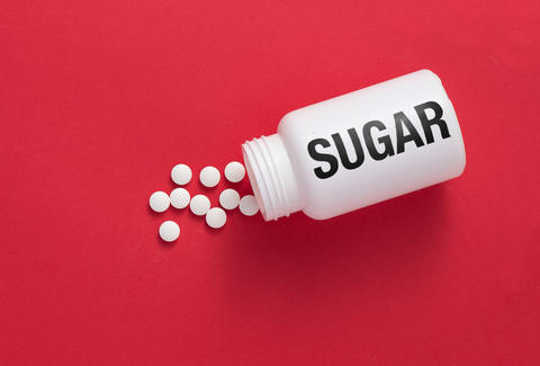 Researchers have developed a way to reliably predict which chronic pain patients will respond to a sugar placebo pill based on brain anatomy and psychological characteristics. Doctors may one day prescribe placebos that work as effectively as any painkiller for certain patients, the researchers’ new study suggests

There’s only one thing better than a hot cup of coffee in the morning: a new research paper telling you your daily habit is good for your health. Headlines presented the good news from the journal JAMA Internal Medicine.
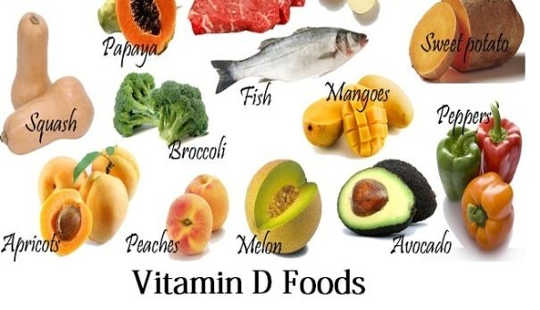 New research may be among the first to examine how low levels of vitamin D affect physical performance over the long term.
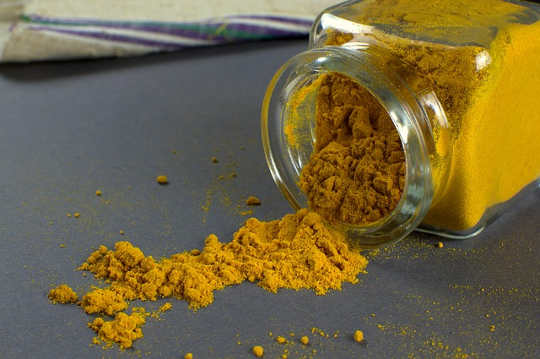
Curcumin, a component of the spice turmeric, may be able to reverse some of the effects of Gulf War illness (GWI), according to a new study

Researchers have developed a new way to attack cancer: using a non-toxic dose of sodium formate—found in nettles and ants—to trigger an organic-osmium compound.
 Women juggle a life of menstruation, pregnancy, birth, menopause, housekeeping, work, raising, children, and on, and on, and on. That’s why we need all the help we can get. Today, I’m going to share some of the many herbal friends that a woman can make pals with.
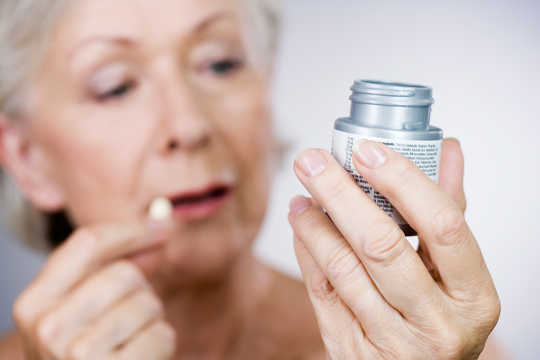 A new study shows that aspirin, used for decades to reduce the risk of cardiovascular problems, may provide little or no benefit for certain patients who have plaque buildup in their arteries.
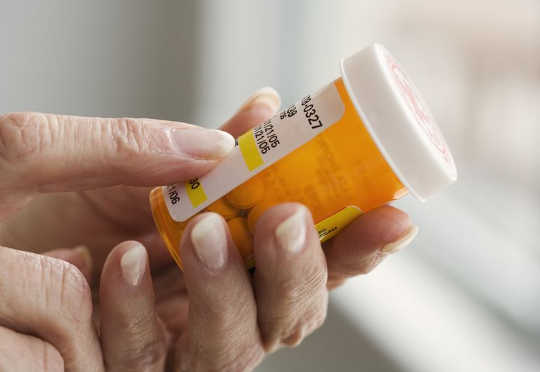 Every year, millions of Americans get short-term prescriptions for steroids, such as prednisone, often for back pain, allergies, or other relatively minor ailments.
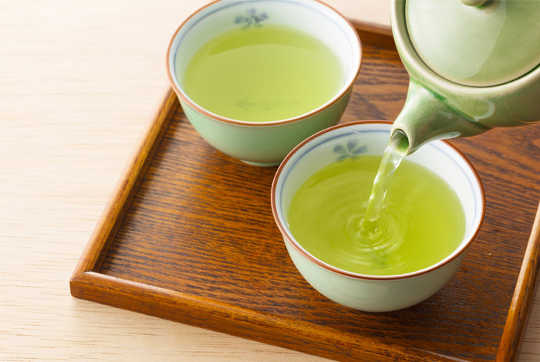 Scientists are investigating a compound found in green tea for often-fatal medical complications associated with bone-marrow disorders.
 To boost strength and resilience we need to eat more nutrient-dense foods and support blood circulation. The digestive system is an important source of support for the lungs that also tends to express more deficiencies in autumn.
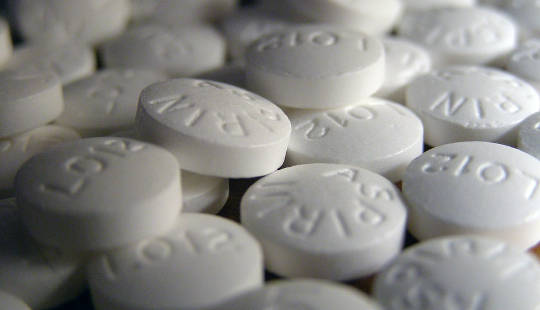 Taking a low-dose aspirin every day to reduce the risk of heart disease or cancer may be worth the increased risk of stomach bleeding, an analysis shows.
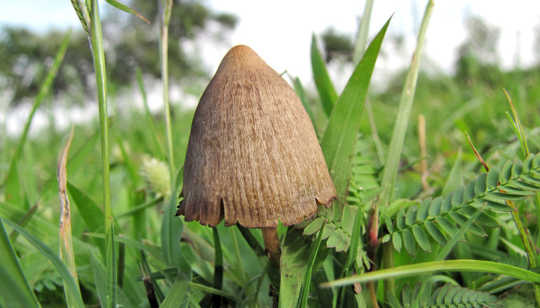 Just one dose of a hallucinogenic drug offers many cancer patients up to six months of relief from disease-related anxiety or depression.
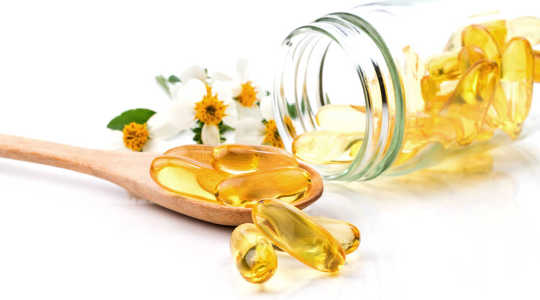 A review of seven research studies suggests a vitamin D deficiency might increase the risk of bladder cancer.
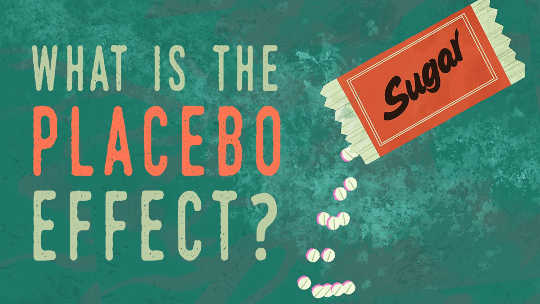 Scientists have identified for the first time the region in the brain responsible for the “placebo effect” in pain relief, when a fake treatment actually results in substantial reduction of pain.
 Depending on your genetic make-up, you might be able to drink coffee right before bed or feel wired after just one cup, ongoing research shows.
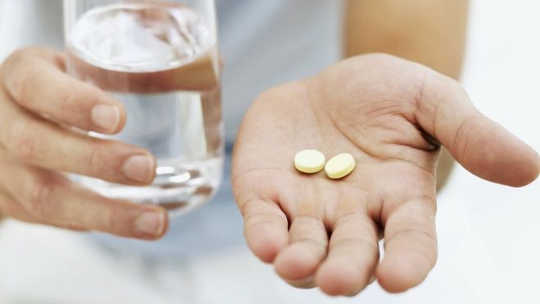 Aspirin is, like ibuprofen and Voltaren (diclofenac), a non-steroidal anti-inflammatory drug (NSAID) used to treat pain and reduce fever.
 A compound derived from the leaves of the neem plant could significantly suppress the development of prostate cancer, according to new research with mice.
The quest for happiness often leads to frustration, as many fail to realize that the...

Reaching sixty can evoke complex emotions, blending relief with ongoing ambition. This...

The quest for life's purpose often leads to unsatisfactory answers. This article...

Romantic love is a complex emotion shaped by historical, cultural, and biological...

Imagine going through one of the most physically and emotionally demanding experiences...

Have you ever argued over something that wasn't actually said? From cultural differences...

Daily actions often conflict with personal beliefs due to past experiences. By utilizing...

Therapists often use dream interpretation to delve into patients' emotions, but true...