
Happiness & Success
Achieving Happiness Through Acceptance of Life
The quest for happiness often leads to frustration, as many fail to realize that the...








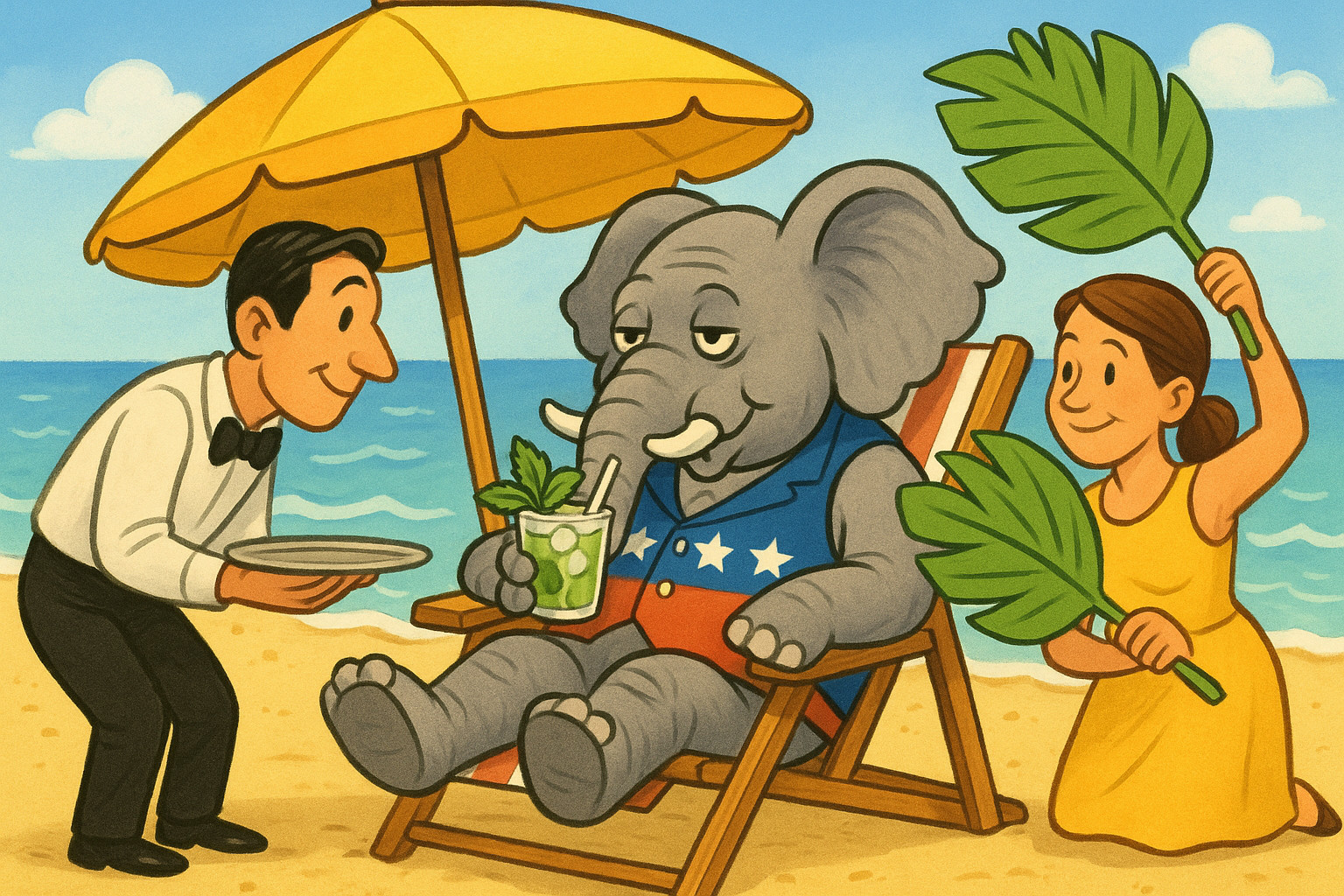
You were never handed this bill. That was the design. Spread across forty-six years and ten thousand ordinary transactions, no single charge ever looked like a policy, but added together they represent the most expensive thing that ever happened to your household. This article is the total, and it runs into the hundreds of thousands of dollars for most Americans, and well past a million for many.

The concept of universal basic income (UBI) is gaining traction globally, with pilot programs underway in Finland, Canada, and the Netherlands. While it promises economic security, crucial questions arise about its impact on community solidarity and social bonds, as well as the risk of reinforcing individualistic values. Understanding these dynamics is essential for its successful implementation.

Studying abroad offers students significant advantages in the job market, enhancing critical thinking, communication skills, and cultural awareness. With increasing funding and diverse program options, more students, especially minorities, are seizing these opportunities to boost their employability and gain valuable international experience.

My yard man understood inflation in sixty seconds, but the financial press establishment has spent months obscuring what any working person can grasp immediately: the difference between year-over-year and month-over-month inflation tells you whether prices are stabilizing or accelerating dangerously.

A blockade of the Strait of Hormuz would disrupt one-third of the world's seaborne oil trade overnight. If geopolitical tensions in Iran escalate to that point, your grocery bill, gas tank, and retirement account won't wait for diplomatic solutions. Understanding the mechanics of this risk isn't pessimism—it's financial literacy.

We like to think of welfare as compassion—food stamps, rent relief, and heating aid helping people through hard times. But if that were enough, why does the need keep growing generation after generation. Maybe the problem is not that we have too little welfare, but that we built an economy that depends on it. The question is not how to fix welfare, but how to make it unnecessary.
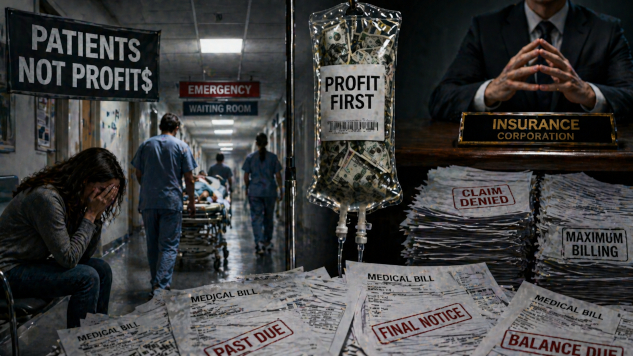
America spends more on health care than any other nation, yet the costs keep soaring and too many people still lose hope. The $2 trillion question is not simply about money, it’s about the choices we make when suffering becomes a commodity.

Rural America is losing its hospitals, its affordable housing, its farms, and its schools , not because of immigrants, not because of urban elites, and not because of woke ideology. It is losing them because of specific budget votes cast by specific legislators who then turn on Fox News and Newsmax to make sure you are angry at someone else before you can do the math. Fox News's own lawyers argued in federal court that their audience does not expect factual accuracy from their hosts. That entertainment product, engineered to generate outrage, is the single most important political force in rural America today. And it is working perfectly.
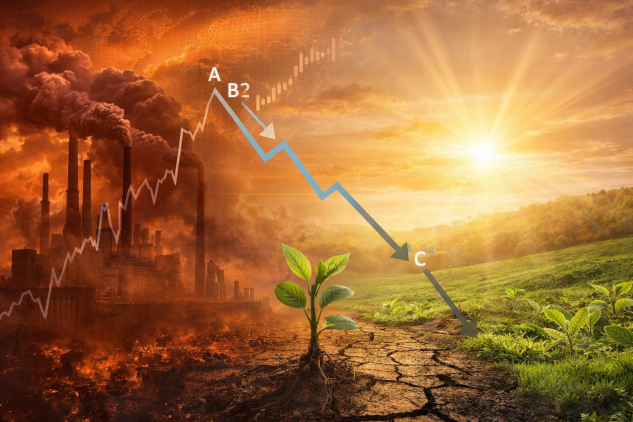
Most market analysts are asking the wrong question. They're debating whether we're in a bubble, scanning charts for the next 10% correction, arguing over Fed policy like it's the only variable that matters. Meanwhile, they're missing what might be the biggest structural shift since the steam engine changed everything. If this market peak is what it looks like, we're not just watching another bull market die. We're watching the slow-motion end of a 250-year experiment in pretending Earth's limits don't exist.
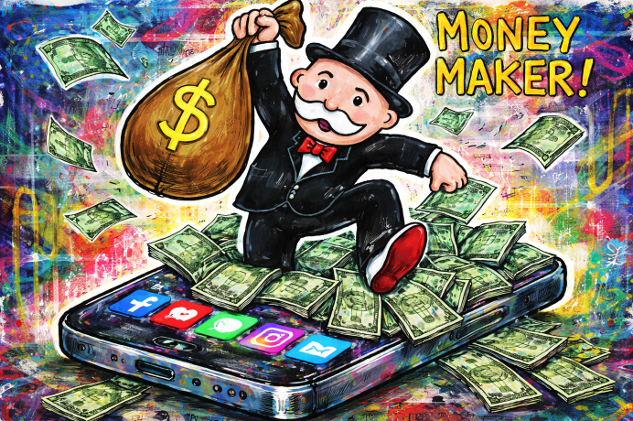
You're working. Maybe two jobs. Maybe your spouse works too. You budget. You plan. You cut back. And still, by the end of the month, the numbers don't add up. Rent takes half your income. Groceries cost twenty percent more than last year. Your kid needs braces. The car needs fixing. Health insurance went up again. You're doing everything right, and you're still falling behind.
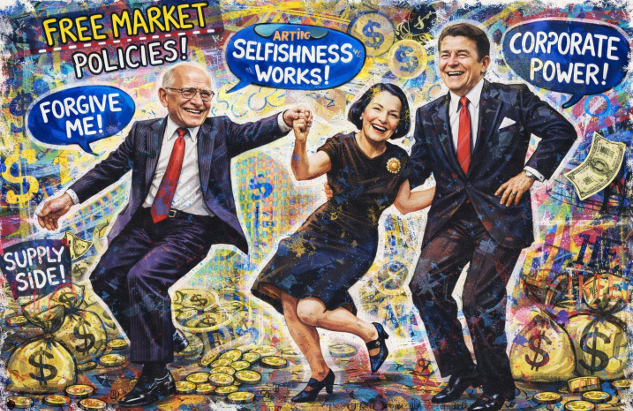
What's happening to independent publishers didn't start with Google. It didn't start with algorithms or AI or any particular piece of technology. It started in the 1980s when two deliberate policy changes rewired how American corporations operate. One killed the rules that kept monopolies from forming. The other changed how executives get paid. Together, they turned extraction into the most profitable corporate strategy in nearly every industry. Understanding this explains why airlines, banks, food companies, and tech platforms all consolidated the same way—and why forty years of both parties did nothing to stop it.

For thirty years, we published on the assumption that if you built something worth reading, people would find it. That assumption is now dead. Not because readers disappeared—they didn't. Not because quality stopped mattering—it still does. It died because the platforms that control discovery decided they could take the value without sending back the visitors. And then AI put that theft on steroids.
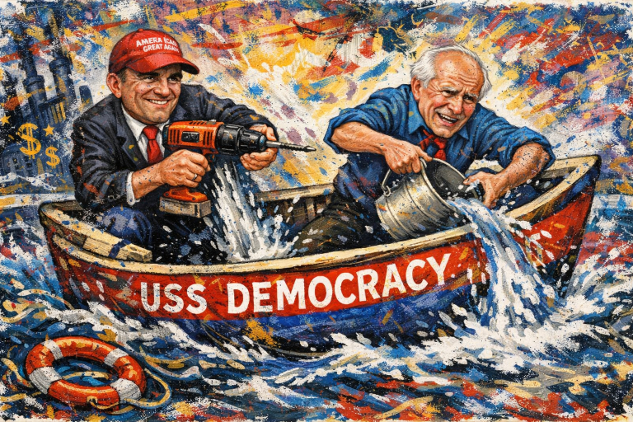
Americans aren't short on economic reform ideas—antitrust proposals, labor reforms, and platform regulation have existed for decades. Yet reforms repeatedly stall, weaken, or reverse. This isn't because ideas are bad. It's because two critical political preconditions have never existed. The extractive economy described in Parts 1-3 cannot be corrected through policy tweaks or better leadership. It can only be corrected after specific political conditions are met and a deliberate sequence of structural reforms follows.

Something feels off. Not catastrophically wrong—just persistently, exhaustingly not right. You work harder but get less. You follow the rules but fall further behind. You adapt and optimize and hustle, and the gap between effort and security just keeps widening. You're not imagining it. And it's not your fault.

Women folk healers were branded as witches, yet much of their work was early community medicine grounded in observation, relationship, and nature. Their suppression helped turn health from a shared practice into a gated profession. Today, Indigenous wisdom and modern science point in the same direction again. If we want longer, better lives, we must become proactive stewards of balance rather than passive recipients of treatments.

Tariff impact on Chinese EVs is more than a trade skirmish; it’s a direct hit on consumers. By driving up costs and limiting affordable EV options, tariffs delay the clean energy transition and protect industry at the expense of everyday families. The truth is simple: Chinese EVs could have brought affordable mobility, but tariffs lock consumers into higher prices and fewer choices.

Educators and health communicators face significant challenges in bridging the digital divide affecting Latino populations in the U.S. This gap not only impacts academic achievement but also health care access, as many Latinos struggle with internet use and accessing online health resources. Addressing these disparities is crucial for improving health outcomes and ensuring equitable access to information.

Target’s decision to cut 1,800 corporate roles lands like a starting gun, not a finish line. After years of pilots and promises, AI is finally crossing the office threshold and rearranging who does the work, how fast decisions get made, and which jobs even exist. This isn’t about store cashiers or warehouse robots. It’s the middle of the corporate chart, the people who translate numbers into action, that now sits squarely in the path of automation.

Everyone keeps saying AI will make us wildly productive. That might be true. But here is the part they whisper: productivity can rise without paychecks rising and without hiring surging. We could get faster workflows, cheaper services, and bigger profits while regular people juggle side gigs to keep up. This article lays out how that happens, why it is familiar, and what we can insist on changing.

Your mind doesn’t float above the map. It lives on a street with cracks in the sidewalk or fresh paint on the crosswalk. It rides a bus that comes on time or doesn’t come at all. New evidence says neighborhood deprivation doesn’t just bruise pride; it raises the odds of a psychotic disorder. If we want fewer broken lives, we fix the block. Capacity first, then everything else.

Vaccine hesitancy is spreading faster than the diseases vaccines prevent, fueled by misinformation and mistrust. Yet history shows vaccines are among humanity’s greatest life-saving innovations. And with the rise of mRNA vaccines, the future of disease prevention looks even brighter. Here’s how we can protect our families, counter fear with science, and embrace a new era of public health.
The quest for happiness often leads to frustration, as many fail to realize that the...

Reaching sixty can evoke complex emotions, blending relief with ongoing ambition. This...

The quest for life's purpose often leads to unsatisfactory answers. This article...

Romantic love is a complex emotion shaped by historical, cultural, and biological...

Imagine going through one of the most physically and emotionally demanding experiences...

Have you ever argued over something that wasn't actually said? From cultural differences...

Daily actions often conflict with personal beliefs due to past experiences. By utilizing...

Therapists often use dream interpretation to delve into patients' emotions, but true...