
Happiness & Success
Achieving Happiness Through Acceptance of Life
The quest for happiness often leads to frustration, as many fail to realize that the...









Family travel offers unique educational opportunities that blend adventure with learning. By engaging in pre-trip research, learning local languages, modeling inquiry, and reflecting on experiences, parents can cultivate their children's critical thinking and appreciation for diverse cultures. This approach transforms travel into a rich, immersive learning experience.

Parents must safeguard their children from online threats, but distinguishing real dangers from hoaxes is crucial. With examples like the Momo challenge and other fabricated fears, understanding how to investigate claims and educate children on online content can help mitigate panic and misinformation.

Recent research reveals that even young children, aged 5 to 7, make thoughtful decisions about what information to teach their peers. They prioritize teaching content that is both rewarding and challenging, demonstrating an early understanding of effective teaching strategies. This insight into child development highlights the innate abilities of children as both learners and educators.
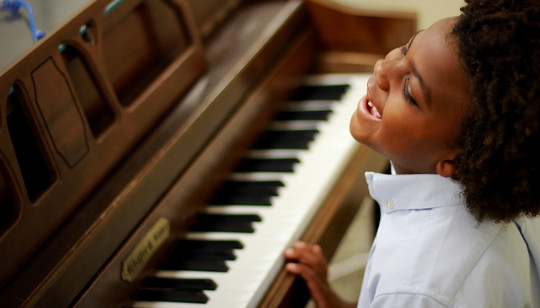
Exploring music education reveals how young children perceive the world and express creativity. Through guided composition, students learn to connect their emotions and imagination, developing empathy and self-awareness. This article discusses the processes involved in teaching music, from initial exploration to the complexities of composition, highlighting the profound impact on personal and social development.

When a child misses the mark at school, what happens next can shape a lifetime. For far too many neurodivergent or learning disabled kids, the path from classroom to courtroom starts with small misunderstandings that snowball into exclusions, absences, and crises. This piece shows how unmet needs, rigid rules, and delayed assessments turn ordinary struggles into involvement in justice, and what you can do to interrupt that pattern starting today.

You want your child to start school feeling brave, curious, and ready to learn, not pressured to perform. The good news is that readiness is not a race or a checklist of perfect skills. It is a steady layering of confidence, connection, and simple habits at home that make the first day feel like a natural next step rather than a cliff. Let’s make it gentle and doable.
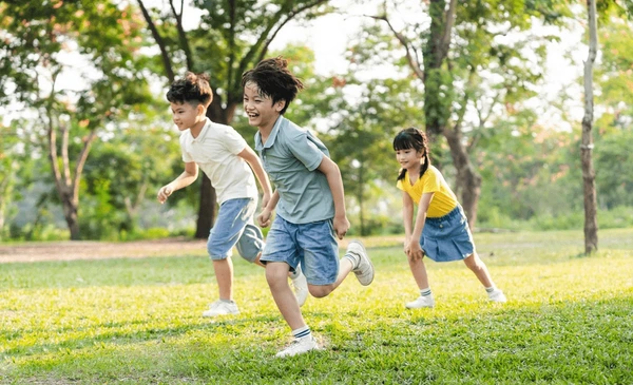
You remember roaming the block with a pack of neighborhood kids and a strict be-home-by-dinner rule. No adult scheduled the adventure. You learned to solve problems, read faces, and bounce back from small stumbles. Today many children rarely get that space. This piece makes the human case for bringing back safe, sane stretches of unsupervised play so kids can grow stronger inside and out.

We say we want resilient kids, then we train them to run on fumes. Gold stars, perfect attendance, hustle before homework, and sleep as an afterthought. If childhood becomes an audition for nonstop output, adulthood becomes a factory shift with no whistle. Real strength includes knowing when to pause, recharge, and value yourself beyond the scoreboard. When you model rest, you are teaching body awareness and the habit of stepping back before the cliff.

Imagine two children growing up side by side. One’s caregivers talked freely about emotions, held them close, and gently encouraged them to feel for others. The other was taught to bury hurt and never let tears show. When both become adults, their empathy toward others will not start from zero—it carries the weight of that upbringing. In quiet ways, how you grow up often decides how fully you can feel for someone else.
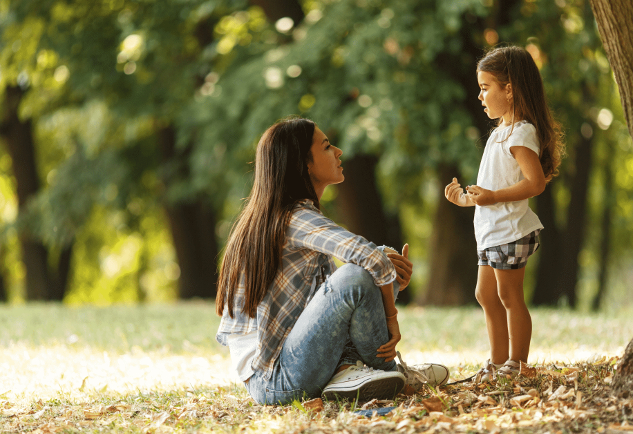
Parenting styles do more than guide behavior—they shape brain development itself. Research shows that harsh parenting accelerates brain changes linked to anxiety, while warmth nurtures resilience and healthier mental states. Understanding this connection gives parents tools to raise children with confidence and compassion. Parenting is not just about today’s choices; it’s about how the brain wires for a lifetime.

Toxic stress in childhood can lead to long-term health problems, but stability offers powerful protection. Research shows that predictable routines, supportive caregivers, and safe environments foster resilience and lifelong well-being. By addressing toxic stress and prioritizing childhood stability, we can safeguard mental and physical health for generations. Learn why stability matters and how small changes today can create healthier futures.
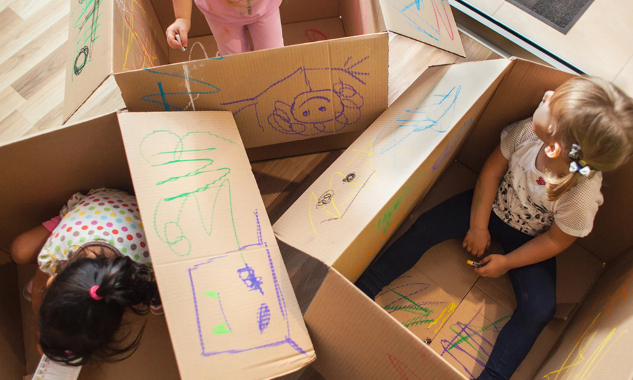
Many parents unknowingly believe myths about child creativity that actually hold kids back. From over-scheduling to relying too heavily on screens, these habits can stifle imagination instead of nurturing it. By rethinking everyday choices and debunking parenting myths, families can create environments where child creativity thrives, confidence grows, and imagination becomes an empowering tool for lifelong learning and resilience.

Screen time isn’t the villain we sometimes make it out to be. Nor is it a digital babysitter we should blindly trust. Somewhere between fear and freedom is a sweet spot, a space where your child can learn, grow, and even flourish with the right kind of screen time. The key? You. Your presence, your nudges, and your choices shape that relationship.

Positive parenting and fear-free discipline raise emotionally intelligent and secure children. Instead of punishment, the focus shifts to connection, respect, and empathy. By healing our own parenting triggers and embracing neuroscience-backed tools, we raise children who trust rather than fear, and who carry that trust into the world.

It’s just a sip, right? A family celebration, a clink of glasses, and a curious child asking to taste what the grownups are having. Many parents shrug and say yes, thinking it's harmless—or even helpful—to take the mystery out of alcohol. But what if that innocent taste plants a seed? What if that moment sets off a ripple effect that stretches far beyond childhood into adult habits, health, and emotional patterns?
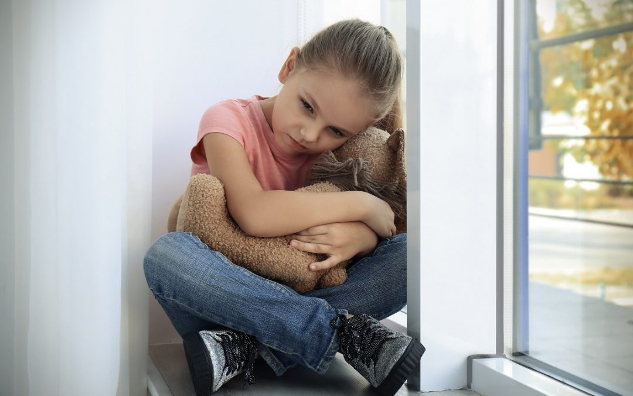
Words can comfort, heal, and inspire—but they can also hurt in ways we don’t always recognize until it’s too late. When it comes to children, the words they hear from the adults in their lives become the building blocks of how they see the world—and themselves. But what happens when those words are filled with criticism, sarcasm, or rage? The bruises aren’t visible, but the pain runs deep and lingers long after the words have been spoken. Let’s talk about verbal abuse, how it shapes a child’s heart and mind, and what we can do—right now—to stop the cycle and begin to heal.
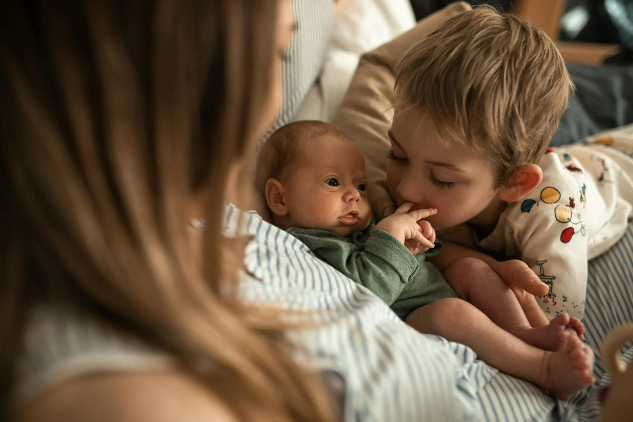
When a new baby joins the family, it can feel like the whole house holds its breath—anticipation, excitement, and, for older children, an undercurrent of confusion or even sorrow. The love you feel for all your children is boundless, but to a child used to being the center of your world, that love can suddenly feel uncertain. This article is here to help you gently navigate those stormy waters.

Making friends isn’t always easy for kids, but with the right guidance, they can develop the social skills they need to connect with others. Learn how to support your child’s confidence and friendships through encouragement and simple strategies that make a lasting impact.
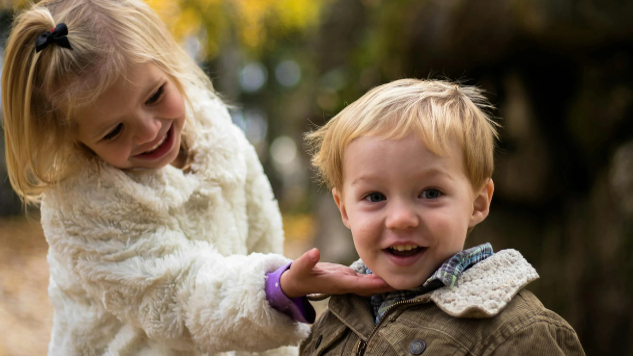
Raising emotionally intelligent kids equips them to handle life’s challenges with empathy, resilience, and confidence. Learn 10 proven tips to nurture your child’s EQ.

Child growth standards and 'normal' development often oversimplify the unique journey of childhood. Learn why every child thrives in their own way.
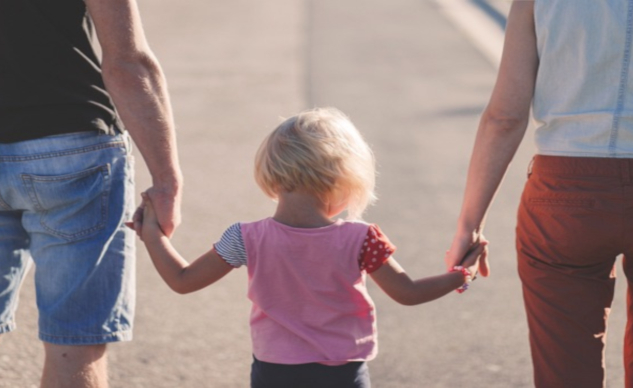
Discover the 4 key rules for successful co-parenting after divorce. From mutual respect to consistency, learn how to navigate the challenges and build a healthy co-parenting relationship.
The quest for happiness often leads to frustration, as many fail to realize that the...

Reaching sixty can evoke complex emotions, blending relief with ongoing ambition. This...

The quest for life's purpose often leads to unsatisfactory answers. This article...

Romantic love is a complex emotion shaped by historical, cultural, and biological...

Imagine going through one of the most physically and emotionally demanding experiences...

Have you ever argued over something that wasn't actually said? From cultural differences...

Daily actions often conflict with personal beliefs due to past experiences. By utilizing...

Therapists often use dream interpretation to delve into patients' emotions, but true...