
Happiness & Success
Achieving Happiness Through Acceptance of Life
The quest for happiness often leads to frustration, as many fail to realize that the...








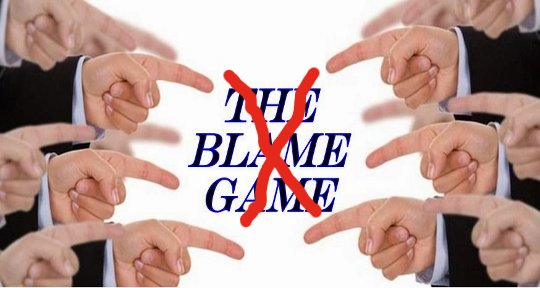
The Blame Syndrome negatively impacts relationships and personal well-being, manifesting in various forms from subtle gestures to outright accusations. By understanding the reasons behind blame and implementing effective strategies, individuals can learn to navigate conflicts without falling into destructive patterns, ultimately fostering healthier interactions and personal growth.

Frustration often stems from unmet expectations and unexpressed anger in daily life. By recognizing the sources of irritation and employing constructive techniques, individuals can transform negative feelings into positive actions. Five practical strategies focus on expressing emotions, accepting reality, taking appropriate action, embracing the present, and appreciating life's blessings.

Exploring the deep connection between rage, vulnerability, and emotional intimacy reveals how past experiences shape adult relationships. This article delves into the transformative journey of recognizing unresolved childhood trauma and the importance of vulnerability for genuine connection, offering insights for those seeking healthier emotional expressions.

Political discussions often lead to discomfort and tension among family and friends, as differing opinions can trigger an 'us versus them' mentality. Research reveals that our brains categorize political affiliations similarly to gang memberships, which can overshadow other social cues like race, complicating interpersonal relationships during heated debates.

When someone pushes your buttons, it may feel like they’re the problem — but they’re actually shining a light on hidden emotions you’ve been carrying for years. This article explores why triggers aren’t attacks but opportunities to release anger, resentment, and buried tension so you can become lighter and more peaceful.

Anger often stems from disappointment and feelings of inferiority, revealing a lack of psychological education and self-worth. By analyzing anger and embracing forgiveness, individuals can heal and open themselves to love. This article provides practical steps to transform negative impulses into positive actions and cultivate a more fulfilling life.

Anger can derail relationships, work, and health if left unchecked. With practical anger control techniques, you can learn to manage anger before it manages you. From quick calming exercises to mindset shifts, this guide helps you transform frustration into constructive energy, so you stay grounded and in control—even when life tries to push your buttons.

Learn techniques to handle and release negative energy. This article provides strategies to protect oneself from emotional dumping, including visualization and breathing methods. Understand how to refuse emotional baggage from others and maintain your energy purity, enhancing emotional well-being and restoring inner peace.

When we say such things as "You hurt me," "You made me do it," "You made me angry," or "You make me crazy” we are giving in to the impulse to blame our feelings externally. Blaming others for what we’re experiencing creates feelings of separation and...

Our frustration is palatable now, in a hate-filled political environment where misinformation and outright lying has become the norm. Who to vote for, what to do? No wonder ideas like stocking up on ammunition seem reasonable to some people. But there’s another option: vote for peace.

Everyone gets angry. Some people show it openly and others don't. In relationship, anger can be either healthy or unhealthy. How you process it is what determines whether it becomes a tool for growth or a source of pain and destruction.

One feeling in particular merits a special note: anger. If this feeling is a problem for you, you're not alone. It seems that modern life is full of poor expressions of anger.
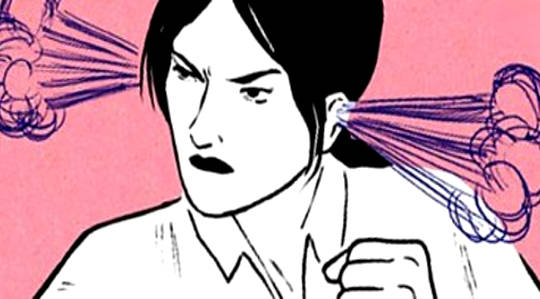
If we could see our angry emotional reactions clearly, it would become obvious that they deplete us and narrow our life. Yet, in spite of the fact that we hurt ourselves and others with our anger, we hold on to this restricting emotion with a puzzling tenacity.

What is anger? It's only a game. Something has come along and contradicted your ego -- that's all that has happened.

Whenever Martha had to deal with someone who was getting on her nerves or was seriously upsetting her, she was supposed to think, 'Peace be with you!'

Medicare-subsidised psychology and psychiatry sessions, as well as GP visits, can now take place via phone and video calls – if clinicians agree not to charge patients out-of-pocket costs for the consult.

The COVID-19 pandemic is different from many crises in that it has affected all of us regardless of politics, economics, religion, age or nationality.

First of all, most of us have views and opinions about everything and everyone. Because of this tendency to judge, we are continually deciding whether we approve of or like each experience as it occurs. Wherever we go and whatever we do, our internal "critic" is saying, "I don't like this," or "I don't approve of that."

There are many occasions in life where our "inner peace" is challenged. When I find myself in a situation where I would tend to react with anger, or judgment, or criticism, rather than react with anger, I silently sing to myself, "Let there be peace on earth, and let it begin with me."
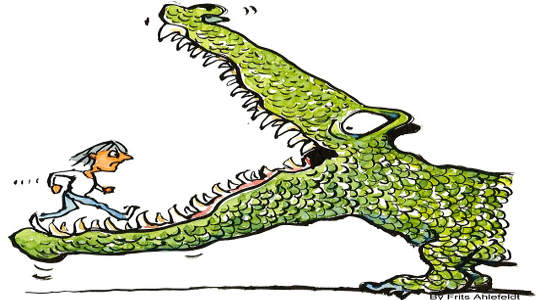
There is no mental peace when you do not control your mind but instead follow anger. There is peace, however, when you apply the meditations and teachings of the graduated path to enlightenment in your daily life and control your mind by practicing patience, loving kindness, and compassion.

We can replace angry or hostile thoughts with thoughts of loving-friendliness. Loving-friendliness radiates to the whole world the wish that all beings enjoy a comfortable life with harmony, mutual appreciation, and appropriate abundance. Though we all have the seed of loving-friendliness within us, we must make the effort to cultivate it.
The quest for happiness often leads to frustration, as many fail to realize that the...

Reaching sixty can evoke complex emotions, blending relief with ongoing ambition. This...

The quest for life's purpose often leads to unsatisfactory answers. This article...

Romantic love is a complex emotion shaped by historical, cultural, and biological...

Imagine going through one of the most physically and emotionally demanding experiences...

Have you ever argued over something that wasn't actually said? From cultural differences...

Daily actions often conflict with personal beliefs due to past experiences. By utilizing...

Therapists often use dream interpretation to delve into patients' emotions, but true...