
Happiness & Success
Achieving Happiness Through Acceptance of Life
The quest for happiness often leads to frustration, as many fail to realize that the...








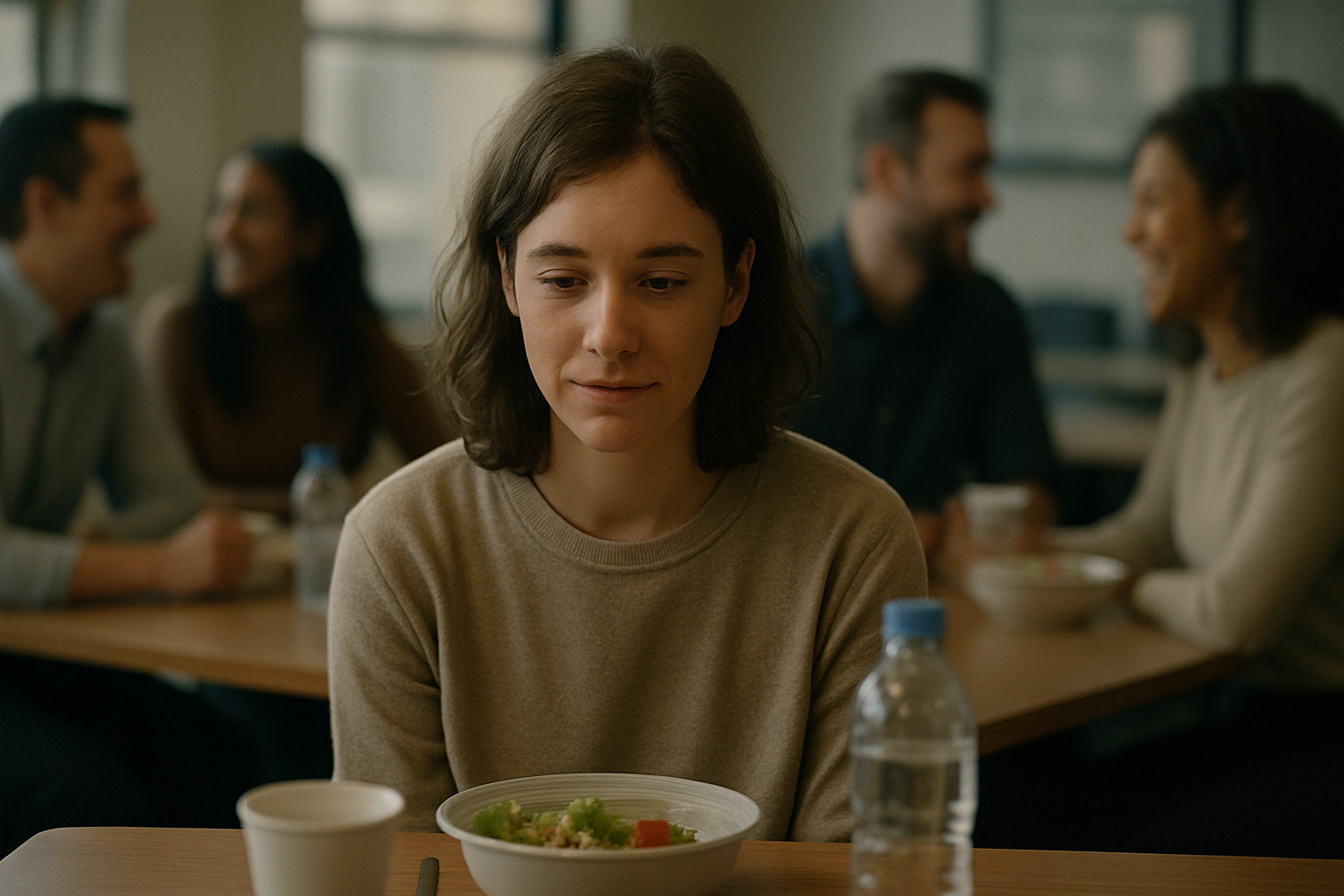
There is a particular kind of exhaustion that comes not from doing too much, but from editing yourself constantly. For many bi+ and gender-minority individuals, every social interaction carries an invisible question: how much of myself is safe to show right now? New research is starting to map exactly how that daily calculation shapes mood, identity, and depression over time.

The subconscious mind governs 95% of actions, often leading to automatic responses based on ingrained beliefs. This article explores how these subconscious programs shape lives, the origins of perceptions, and how emotional intelligence can help rewrite these patterns for a more fulfilling existence.

Are you helping someone you love, or unintentionally enabling them to continue their same old pattern? The difference can determine whether a person grows stronger or remains stuck. Discover how to offer healthy support that empowers rather than enables.

Daily actions often conflict with personal beliefs due to past experiences. By utilizing techniques such as meditation, individuals can reprogram their inner consciousness, aligning their actions with their true intentions and releasing outdated beliefs. This process fosters personal growth and well-being.

You finally sit down to do the thing you have been putting off for three days, and somehow you end up reorganizing your desk, checking your phone, and making a second cup of coffee instead. Sound familiar? That loop has a chemical signature, and understanding it might be the most practical thing you do for your mental well-being this year.
 Money stress does not arrive once and stay put. It rises and falls with each paycheck, each unexpected bill, and each week you spend a little more than you planned. A new study tracking hundreds of workers across thousands of weeks reveals that financial stress is episodic, nonlinear, and surprisingly sensitive to small dollar amounts, which means the way most people try to manage it may be fundamentally misaligned with how it actually operates.
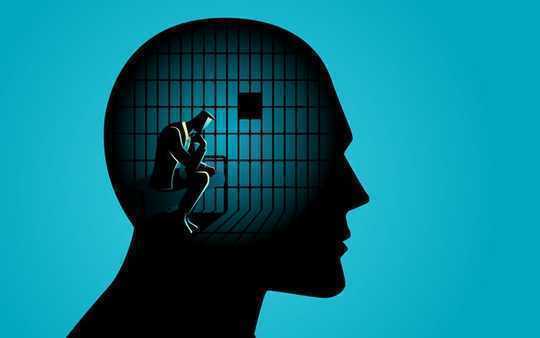
The intersection of technology and psychology presents both opportunities and threats to freedom of thought. While advances can promote self-reflection and authenticity, they also pose risks of manipulation by states and corporations. Understanding these dynamics is crucial for protecting mental privacy and preserving autonomy in an increasingly controlled environment.

You already know that loneliness feels bad. But did you know that skipping genuine human connection can quietly chip away at your health, your confidence, and your sense of purpose? Whether you are someone who lights up at a party or someone who rehearses small talk in the car before walking in, the science and the soul of connection are calling your name in ways you may not have fully heard yet.

We have more ways to connect than ever before, yet loneliness has become an epidemic. Social media promised connection but delivered performance. Artificial intelligence offers companionship without reciprocity. This paradox isn't accidental—it's the inevitable result of systems designed to monetize attention, not foster genuine human bonds. Understanding why we feel more isolated despite constant digital access is the first step toward reclaiming authentic connection.

Research reveals that boys from low-income backgrounds who displayed inattention in kindergarten earned significantly less by age 36 compared to their prosocial peers. The study highlights the importance of early behavioral assessments and interventions that can influence long-term educational and economic outcomes.

Carl Rogers understood that inner authority—trust in your own experience—gets systematically replaced by external validation systems. Modern institutions don't need overt control when people have learned to doubt themselves, seek constant approval, and outsource judgment to credentials and consensus. Rogers explained how conditional acceptance trains compliance, why authenticity threatens power structures, and what happens when entire populations stop trusting their own perceptions. The most complete control is the kind people enforce on themselves while believing they're free.

What happens when you stop asking what you should do and instead ask what is truly best for you right now? One simple question reveals a new way of making decisions grounded in self-love, clarity, and present-moment awareness.

When the world feels chaotic and uncertain, the most powerful changes begin within. Clarity, conviction, and courage guide us to live with intention, trust the process, and create meaningful change from the inside out.
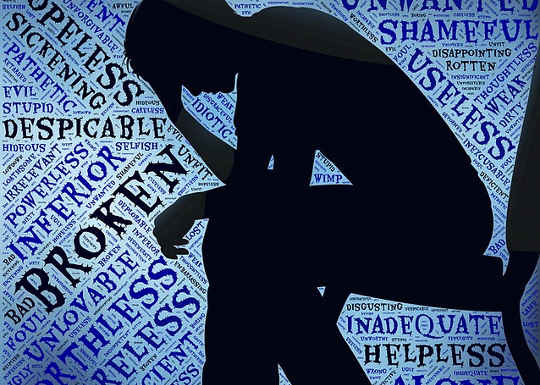
The inner critic can feel like an unwelcome roommate, constantly berating individuals for their perceived shortcomings. This article explores the origins and functions of the inner critic, revealing how it develops from childhood experiences and authority figures. By understanding its purpose, individuals can begin to manage this internal voice more effectively.
Understanding how to learn vital life lessons without enduring personal crises can foster growth and healing. By observing others, maintaining awareness of oneself, and treating personal fears with compassion, individuals can cultivate healthier behaviors and deeper insights into their emotional needs. This approach emphasizes the importance of love and understanding in overcoming negative patterns.

Daily thoughts often repeat and lean towards negativity, making the pursuit of positivity feel unusual. Recognizing and cultivating new thoughts can lead to personal growth. By distinguishing between old, limiting beliefs and new, expansive ideas, individuals can explore opportunities and activate their inner wisdom for a more fulfilling life.

We grow up believing we must fit a mold—dress a certain way, think a certain way, behave a certain way. But the real path to joy begins when we release those expectations and honor who we truly are. This article invites you to rediscover your own rhythm and let others do the same.

You look up at the bright round moon and feel it tug at something ancient in you. Are you supposed to sleep worse tonight, or feel a little wild, or clear out old emotions under its glow. Full moons come with a suitcase of stories. Some soothe, some spook, and some simply sell. What is actually true, and what is a lovely myth we keep passing along.

Picture an army built like a flexed bicep: loud, showy, and forever spoiling for a fight. It looks tough on a poster and brittle in the field. Macho warriorism sells a fantasy of courage that confuses swagger with strength, noise with competence, and impulse with leadership. Modern defense runs on capacity—trained people, reliable logistics, clear law, disciplined restraint, and smart alliances. Bravado burns that down. It wastes talent, invites errors, and turns neighbors into enemies. If we want a force that wins in the real world, we have to retire the costume and fund the craft.

You slam your thumb in the car door and before your brain even registers what happened, the word is out. Sharp, loud, oddly satisfying. You weren't planning to swear. You weren't even thinking about it. But there it was, erupting from some place deeper than conscious choice. Most of us were taught that swearing is crude, immature, a sign of poor vocabulary or worse character.

You know that fidgety feeling when the line won’t move, the email takes forever, or a season of life won’t hurry up? Patience isn’t just good manners; it’s good medicine. When you learn to wait with a softer body and a kinder story, your breath deepens, your sleep smooths out, and your choices feel less reactive. This is a warm, practical guide to making patience your daily superpower.
The quest for happiness often leads to frustration, as many fail to realize that the...

Reaching sixty can evoke complex emotions, blending relief with ongoing ambition. This...

The quest for life's purpose often leads to unsatisfactory answers. This article...

Romantic love is a complex emotion shaped by historical, cultural, and biological...

Imagine going through one of the most physically and emotionally demanding experiences...

Have you ever argued over something that wasn't actually said? From cultural differences...
Daily actions often conflict with personal beliefs due to past experiences. By utilizing...

Therapists often use dream interpretation to delve into patients' emotions, but true...