
Happiness & Success
Achieving Happiness Through Acceptance of Life
The quest for happiness often leads to frustration, as many fail to realize that the...









Have you ever looked around your home and felt an overwhelming sense of unease, as if the clutter surrounding you was somehow mirroring the chaos in your mind? You’re not alone. Our attachment to objects is deeply emotional, often rooted in memories, security, or even fear of the future. But when does clutter turn into something more? When does collecting become compulsive hoarding, and how can we ensure we maintain a healthy relationship with our belongings?

Sleep is one of the most overlooked pillars of mental health. We glorify hustle culture, praise early risers, and treat sleep deprivation like a badge of honor. But what if I told you that your lack of sleep isn’t just making you tired—it’s actively damaging your ability to think, process emotions, and stay sane? In fact, chronic sleep deprivation might be one of the biggest unspoken mental health crises of our time.

Are you living to please others or to fulfill your own purpose? People-pleasing keeps us stuck in obligations and societal expectations. It’s time to reclaim your life, listen to your heart, and make choices that bring joy and authenticity. Life’s too short—start living authentically today.

Have you ever noticed how scrolling through Instagram feels almost hypnotic? One moment you’re just checking in, and the next, you’re completely immersed—only to feel a strange sense of unease when you stop. New research suggests that this isn’t just in your head. The way Instagram affects your brain might be more powerful than we ever realized.
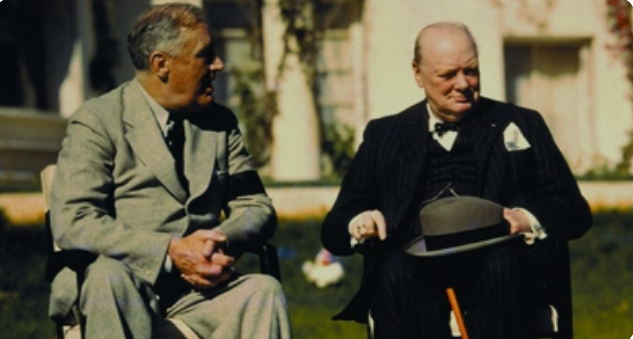
Leadership isn’t about barking orders, hoarding power, or staging photo ops with a forced smile. It’s about something much rarer: honesty, trust, and a genuine willingness to serve. But in a world that rewards deception, where do we find real leadership? More importantly—how do we create it?

Why do we keep things we don’t need? It’s a question we’ve all asked ourselves while standing in front of a cluttered closet, staring at a drawer that won’t close, or trying to justify why an old pair of shoes we haven’t worn in years is still sitting in the entryway. Some of us hold onto things because of nostalgia, some out of fear, and others because of a deep-seated belief that we might need them “someday.” But when does keeping things turn from harmless sentimentality to something more? And why does it feel so hard to let go?

Aging gracefully isn’t about resistance but about surrendering to the beauty of spiritual evolution. Let go of dread and discover the joy, purpose, and connection that come with growing older.

Uncover the science and psychology behind emotional tears. Learn why humans cry, the signals behind tears, and their profound emotional and social significance.
Break free from the rules that hold you back and rewrite your inner narrative for lasting well-being. This article explores how subconscious patterns shape your reactions and offers practical steps to overcome them. Learn how awareness, meditation, and positivity can help you reclaim your emotional freedom and cultivate a life filled with joy and resilience.

Explore Marie T. Russell's guide to starting each day anew, focusing on shedding past resentments and embracing each morning with a fresh outlook. Learn practical tips for renewing your daily attitude and maximizing positivity.

Explore the intricate world of sleep patterns and how personal storytelling can unravel your unique sleep needs. Find out if you're a lark or an owl and how understanding this can help determine your optimal bedtime, leading to improved sleep quality and overall well-being.

This article explores how domestication affects both humans and animals by disconnecting them from their natural emotions, creating codependency and emotional stagnation. Learn how the hidden cost of domestication robs all parties of their authentic power and creative potential, leading to long-term consequences for emotional autonomy and growth.
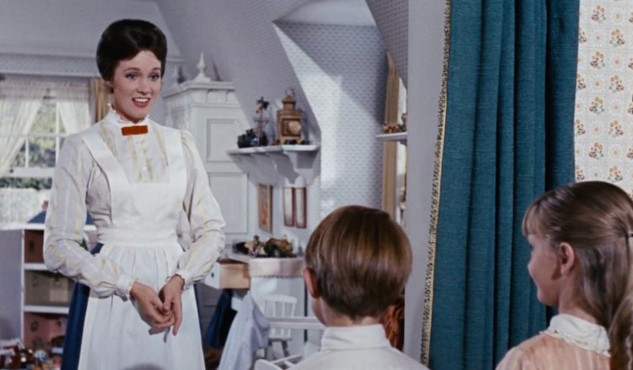
Behavioral science offers strategies like the "Mary Poppins Principle," which turns mundane tasks into fun activities to enhance motivation. By adding enjoyment to necessary tasks and using nudging techniques, behavioral science helps drive better decisions and lasting changes. From exercise routines to healthier choices, this approach shifts how we engage with everyday habits, leveraging fun and subtle changes to increase adherence and success.

Learn how to overcome resistance and free yourself from limitations with mindful strategies that transform resistance into a powerful ally on your journey to personal growth.

Learn how being authentic can help you be a better you every day. Discover the power of living true to yourself, not competing with others, and how it leads to personal growth and fulfillment.

Non-harming, rooted in various spiritual traditions, is more than just refraining from physical violence; it encompasses not willfully inflicting harm by thought, word, or action.

Discover how everyday people (you and me) can make a difference. We can create a better world through positive social change and conscious personal transformation.

This article explores how reclaiming independent thinking and allowing ourselves to doubt can guide us toward a more authentic and fulfilling life, free from rigid external authorities. By questioning our beliefs and exploring our inner wisdom and values, we unlock our potential and foster self-awareness. Cultivating inner resources and embracing the faith to doubt can lead to profound personal growth.

Combat fear-based propaganda and understand political fear tactics. Learn how these influences affect society and discover ways to build resilience.

Before one of the founders of Alcoholics Anonymous, known as Bill W., launched the program, Jung told him that the craving for alcohol, or spirits, was equivalent, on a low level, to the thirst for Spirit, or union with god.

The original Mother's Day Proclamation (in 1870) was a statement of mothers who had lost sons in the North joined with mothers who had lost sons in the South during the Civil War, proclaiming a day once a year for a "general congress of women" to declare the end to war and the creation of peace.
The quest for happiness often leads to frustration, as many fail to realize that the...

Reaching sixty can evoke complex emotions, blending relief with ongoing ambition. This...

The quest for life's purpose often leads to unsatisfactory answers. This article...

Romantic love is a complex emotion shaped by historical, cultural, and biological...

Imagine going through one of the most physically and emotionally demanding experiences...

Daily actions often conflict with personal beliefs due to past experiences. By utilizing...

Have you ever argued over something that wasn't actually said? From cultural differences...

Therapists often use dream interpretation to delve into patients' emotions, but true...