
Happiness & Success
Achieving Happiness Through Acceptance of Life
The quest for happiness often leads to frustration, as many fail to realize that the...








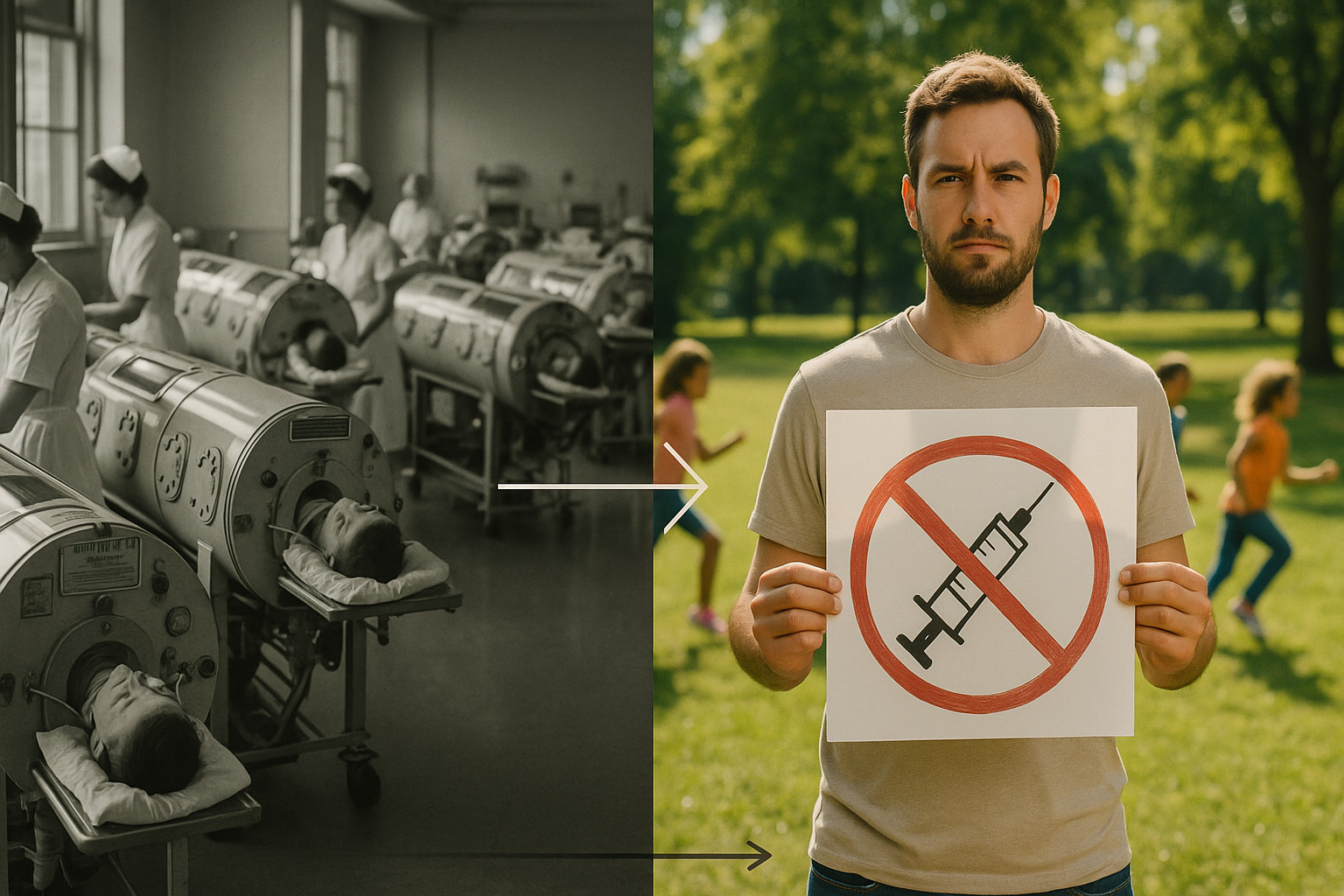
Smallpox killed roughly 300 million people in the twentieth century alone, and then we erased it from the earth entirely. Polio once paralyzed tens of thousands of children every summer in the United States, and now most Americans under fifty have never met anyone who survived it. So why, at the precise historical moment when the evidence for vaccination is most overwhelming, are so many people refusing it?
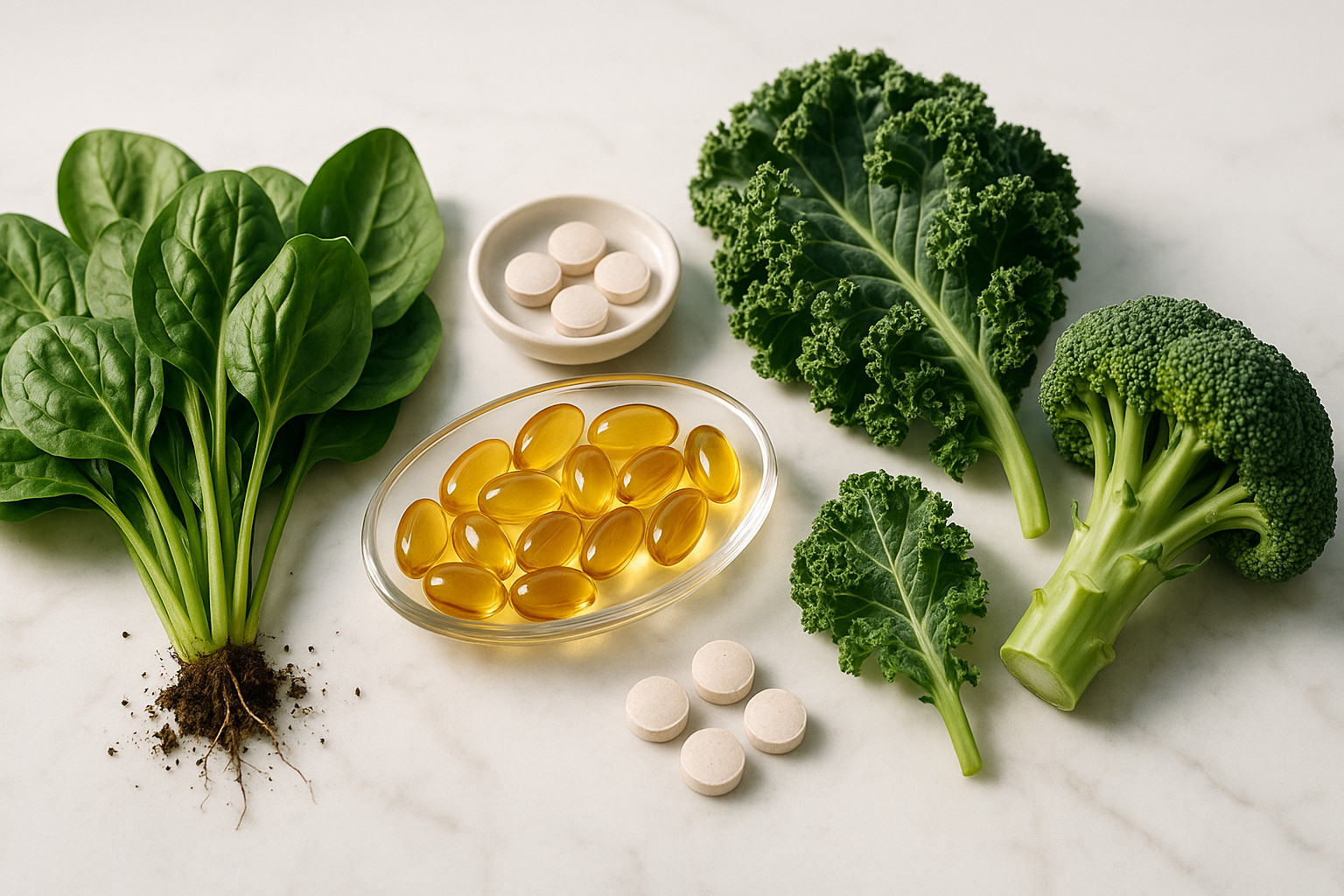
You switched to a plant-based diet because you wanted to feel better, live more sustainably, and do right by the planet. But somewhere along the way, a quiet deficiency may have crept in, one that affects your nerves, your energy, and even your ability to think clearly. Vitamin B12 is the nutrient almost nobody talks about until something goes wrong, and scientists are now growing the solution in a garden.

You are standing in the grocery store aisle, staring at what feels like a wall of yellow confusion. Butter, margarine, spreads, blends — and every package claims to be the smart choice. Before you grab whatever your mother used, let's actually figure out what you are putting on your toast every morning.

Every year when the temperatures rise and the days grow longer, something shifts inside you. It is not just your mood brightening or your energy returning after a long winter. According to brain researcher Ben Catz of Virginia Tech, the choices spring invites you to make could be quietly transforming your cognitive health in ways that last a lifetime.

Burnout can stem from both positive and negative stress, leading to physical and emotional exhaustion. Recognizing signs and understanding personal vulnerabilities are crucial steps in addressing burnout. This article explores effective strategies for managing stress and emphasizes the importance of making sound choices to foster well-being.

Imagine sitting in a doctor's office, anxious and overwhelmed, while your physician calmly explains your diagnosis with a clarity and confidence that feels almost miraculous. Behind that confidence might be an AI system that analyzed thousands of similar cases in seconds. But the hand reaching across the desk to squeeze yours? That is still entirely, irreplaceably human.

Melanoma skin cancer is on the rise, particularly among men, with significant differences in mole distribution between genders. Research indicates that genetics plays a crucial role in the number and location of moles, particularly in women. This highlights the need for tailored prevention and treatment strategies to address these disparities in melanoma risk.
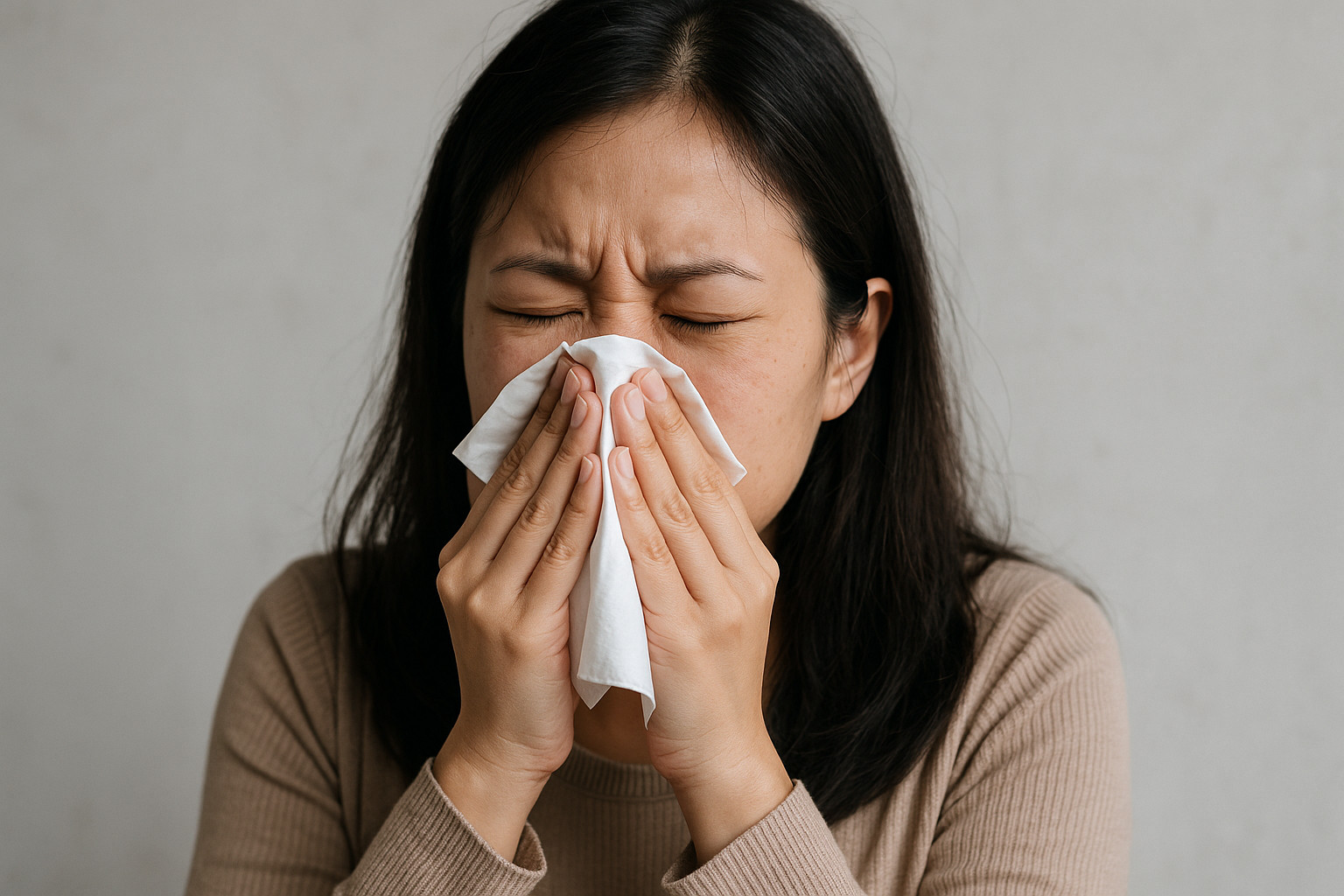
You reach for that little allergy pill without thinking twice — it is practically a reflex at this point. But what if something so ordinary, so tucked into the back of your medicine cabinet, carried a risk you never thought to ask about? The emerging research on antihistamines and dementia is worth pausing for, and the good news is that pausing does not mean you have to suffer through another sneezing season.

There is something quietly powerful that happens when you stand at a stove, stirring something real. Home cooking has long been tied to comfort and tradition, but science is now catching up to what grandmothers have known for generations: preparing your own food changes not just what you eat, but how you feel, how you connect, and who you become. If you have been meaning to cook more at home but keep finding reasons to order out, this article is your gentle nudge back to the kitchen.

Recent research reveals the complex relationship between cannabis use and memory. While THC may impair short-term memory, CBD could offer protective benefits for neurodegenerative diseases. The impact of cannabis on memory varies greatly depending on the type and dosage, highlighting the need for a nuanced understanding of its effects.

You are cleaning out a dusty garage or an old shed, and it feels like a perfectly ordinary afternoon chore. But tucked inside that pile of old insulation or behind that forgotten box of holiday decorations, there could be something invisible and genuinely dangerous waiting. Hantavirus is one of those health threats that most people have never thought about until they absolutely have to, and understanding it could make all the difference.

Recent research highlights the significant influence of marital status on dementia risk, revealing that married individuals are less likely to develop the condition as they age. In contrast, divorcees face a doubled risk, with divorced men particularly affected. This study sheds light on the complexities of social factors impacting cognitive health in older adults.

You already know chronic stress is bad for you. You have heard it a hundred times, probably while you were stressed. But what if the advice you have been given about fighting back against stress has been putting the emphasis in the wrong place all along? New research suggests that when it comes to protecting your body and mind from the long-term damage of chronic stress, what you eat and how you sleep may matter far more than how many miles you log on the treadmill.

Two billion people already eat insects as a regular part of their diet, and they have been doing so for thousands of years. The Western world is catching up slowly, not because the idea is new, but because the evidence for it has become impossible to ignore. If you have ever wondered whether the squeamishness is worth holding onto, the answer is almost certainly no.

Sitting on the floor has been a natural resting position for humans throughout history, offering potential health benefits like improved posture and flexibility. While scientific evidence is limited, many health professionals advocate for floor sitting as an alternative to conventional chairs, suggesting it may help alleviate lower back pain and maintain spinal curvature.

You have probably started over more times than you can count. The diet worked for a while, the scale moved, and then life happened and somehow you ended up right back where you began. If that cycle sounds exhaustingly familiar, you are not alone, and more importantly, you are not broken. The real problem is not your willpower. It is the approach itself.

Engaging in group exercise can significantly enhance mental well-being, especially among young individuals. Research indicates that those participating in team sports or informal fitness groups experience better mental health compared to those who exercise alone. The motivation behind exercising and the social connections formed during these activities are crucial for mental health improvements.

For decades, the conversation about depression treatment has circled the same well-worn options: antidepressants that take weeks to work, therapy that requires months of commitment, and outcomes that remain frustratingly inconsistent for millions of people. Now a molecule derived from mushrooms that indigenous cultures have used ceremonially for thousands of years is sitting at the center of one of the most significant psychiatric research shifts in a generation. The question is no longer whether psilocybin does something remarkable in the brain. The question is whether we can use it safely, systematically, and without losing what makes it work.

You know that feeling when everything is fine, and then suddenly it absolutely is not, and you cannot quite explain why the dishes in the sink feel like a personal attack? If that lands somewhere familiar, you are not alone, and you are not losing your mind. PMS and its more intense cousin, premenstrual dysphoric disorder, affect millions of people every month, yet too many suffer in silence, convinced they simply need to be stronger or calmer or less sensitive.

Somewhere around their seventies, a lot of people start shrinking in ways that have nothing to do with height. They grip things a little less firmly. They hesitate at curbs. They stop trusting their own legs. Medicine has a name for this: frailty. And here is the part nobody tells you plainly enough — most of it is not inevitable, and a surprising amount of it is reversible with tools so simple they seem almost insulting.

You are standing in the checkout line watching the total tick upward, and somewhere around the third or fourth item you start doing that quiet mental math that never quite adds up. Food costs have surged in ways that hit differently than other price increases, because you cannot simply decide not to eat. The good news is that cutting back does not have to mean cutting the joy out of every meal.
The quest for happiness often leads to frustration, as many fail to realize that the...

Reaching sixty can evoke complex emotions, blending relief with ongoing ambition. This...

The quest for life's purpose often leads to unsatisfactory answers. This article...

Romantic love is a complex emotion shaped by historical, cultural, and biological...

Imagine going through one of the most physically and emotionally demanding experiences...

Have you ever argued over something that wasn't actually said? From cultural differences...

Daily actions often conflict with personal beliefs due to past experiences. By utilizing...

Therapists often use dream interpretation to delve into patients' emotions, but true...