
Happiness & Success
Achieving Happiness Through Acceptance of Life
The quest for happiness often leads to frustration, as many fail to realize that the...








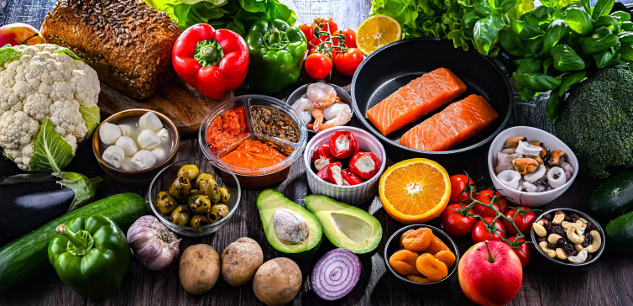
Want to lose weight without drugs like Ozempic? Science shows that fiber, monounsaturated fats, and even food timing can boost GLP-1—a natural hunger-suppressing hormone. From eating slowly to making breakfast count, this guide outlines strategic, food-based methods for weight loss that work with your biology, not against it. The best part? No prescriptions required—just smart choices rooted in proven nutrition.

Brisk walking is emerging as one of the most powerful tools for health and longevity. Studies show it reduces heart disease risk, slows biological aging, and may even outperform traditional markers like cholesterol. Just 10 minutes a day can make a profound difference. In a world obsessed with miracle cures, maybe the real elixir of life is right beneath our feet.

Your DNA is not your destiny, but it sure can write a rough draft of your future. And unlike horoscopes or crystal balls, genetic testing can actually tell you something useful—like whether that extra cheeseburger is fueling a heart attack waiting to happen. So why do so many people still walk around blind to the secrets in their genes? Maybe it’s time to stop fearing the truth and start using it.
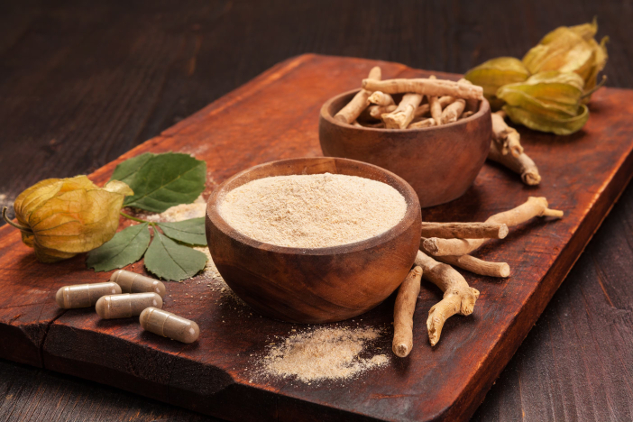
Ashwagandha. Even the name feels like a whisper from the past. An ancient root that has survived millennia, passed down through generations, tucked into the corners of sacred texts and family remedies. But what’s behind the surge in popularity today? Is it really the magic bullet for modern stress? Or is there more to the story? Let’s unpack it, heart to root.
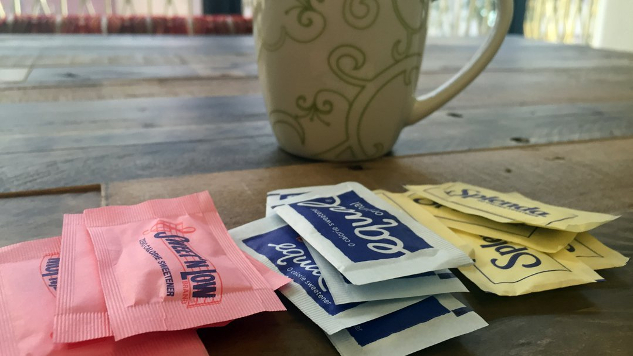
Artificial sweeteners promise all the sweet pleasure of sugar without the guilt. But are they a health miracle—or a ticking time bomb hidden in your morning coffee? As sugar substitutes continue to invade everything from diet sodas to "health" bars, it's time we took a hard look at the real story behind artificial sweeteners. Because sometimes, the things we trust most quietly betray us.

Living with endometriosis often feels like carrying an invisible weight that no one else can see. Some days, it’s a soft ache in the background. Other days, it’s a roaring pain that steals your breath and blurs your focus. But what if small choices, like the food you eat, could start to lift that weight? Today, we’ll talk about what endometriosis really is, how it’s treated, and why ultra-processed foods might be quietly making things harder than they need to be.

If standing up from a chair feels harder than it used to, it might be telling you something important—something deeper than just “getting older.” Sitting difficulty isn’t just a minor inconvenience; it’s a flashing warning light about your health mobility, and ignoring it could have serious consequences. The good news? Early action can change the story.
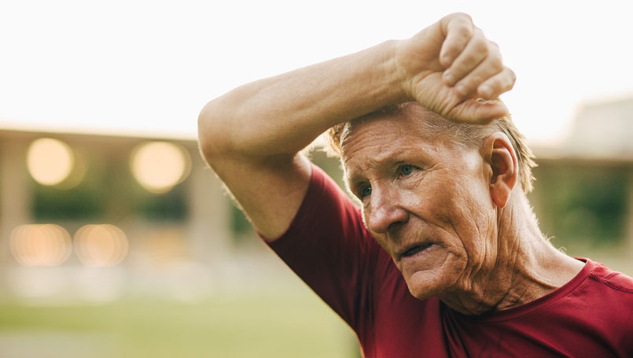
I didn’t pass out. But I felt like I was about to. My legs turned to jelly, my vision clouded over like a fogged windshield, and I had that strange, sinking feeling that if I didn’t sit down immediately, I might never get back up. And here’s the kicker—it wasn’t some scorching 105-degree day in July. It was only 90 degrees. Florida heat, yes, but not a record-breaker. Still, it nearly broke me.

We’ve all seen the headlines: “The Secret to Living to 100!”—usually followed by a picture of someone jogging on a beach while drinking a kale smoothie. But here’s the thing: living to 100 isn’t about supplements, superfoods, or some overpriced “biohack.” The secret to longevity might just be simmering quietly in your gut, and most people wouldn’t even notice until something breaks. Gut health isn’t glamorous—but it might be the one system keeping everything else from falling apart.

We’ve been told for decades that “you are what you eat.” But what if your immune system doesn’t care what’s on your plate—only what your brain thinks is? New research from the University of Manchester uncovers a shocking twist in the brain-body relationship: it’s not the food, it’s the feeling of hunger that tells your immune system how to behave. Welcome to the era of brain-controlled immunity.
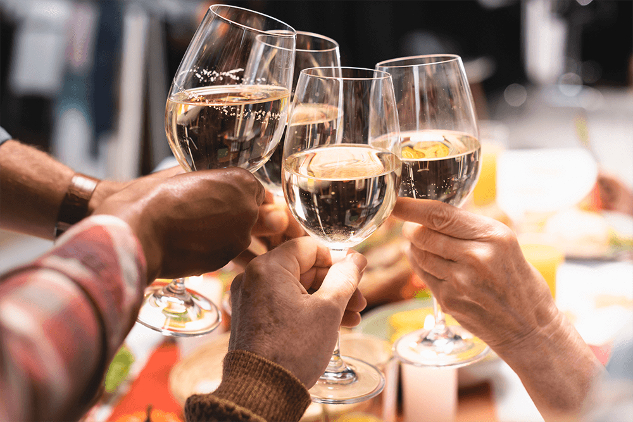
Imagine pouring a glass of wine after a long day. Maybe it’s a celebration, or perhaps it's a quiet ritual you share with yourself. A little reward, a calming sip, a toast to life’s ups and downs. But what if that very glass, that very sip, held more than relaxation? What if it carried an invisible risk—one that rarely makes headlines but quietly affects your well-being in ways you haven’t been told?

Is breakfast really the most important meal of the day—or just a marketing slogan we’ve swallowed without question? You’ve probably asked yourself whether eating three meals a day is necessary. Maybe you’ve tried skipping breakfast or eating five tiny meals, wondering which rhythm your body was meant to follow. The answer, it turns out, may be simpler and more personal than we’ve been led to believe.

So, you’re lying in bed, brain spinning like a hamster on caffeine, wondering if that melatonin gummy you popped is a cure or just another con. Meanwhile, your phone’s lighting up your face like Times Square, and some podcast is whispering true crime into your subconscious. But hey, it’s “me time,” right? Welcome to the great sleep sabotage—modern edition.

It might seem funny—or even a little awkward—but the smell of your farts can actually tell you a lot about what’s going on in your gut. Whether it’s a silent stinker or a room-clearing blast, that scent is more than just embarrassing. It’s a biological clue, a whisper (or shout) from your digestive system saying, “Hey, something’s up in here.”
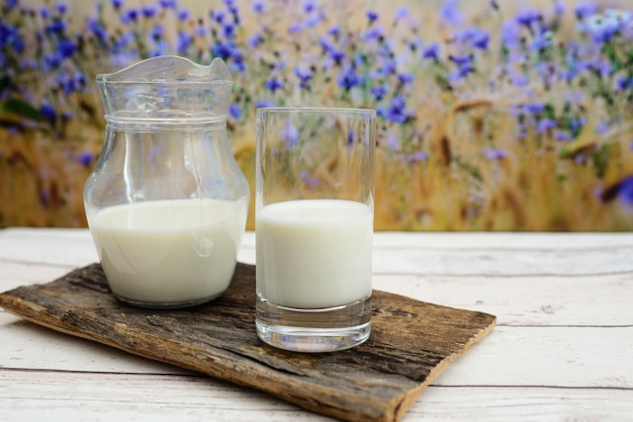
Milk is marketed as healthy—but is it right for your body? From acne to cancer risk, lactose intolerance to gene variants, discover what dairy might really be doing to your body.
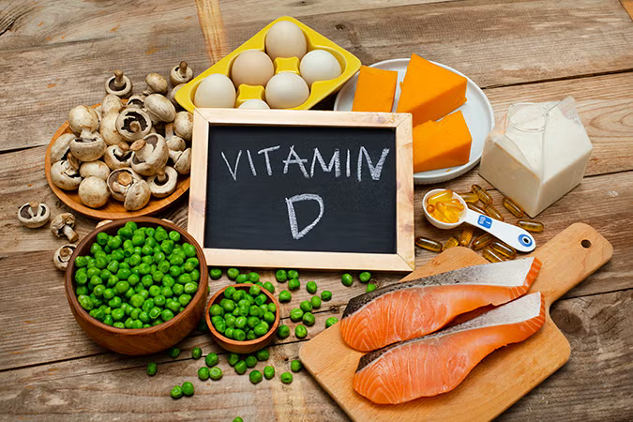
Have you ever wondered if the sunshine you soak in could be the missing key to your energy, mood, and immune health? Vitamin D is often overlooked, but its impact can be life-changing. Whether you're chasing sunlight or popping supplements, understanding how vitamin D works—and what happens when it’s lacking or overdone—could reshape how you care for your body and spirit.
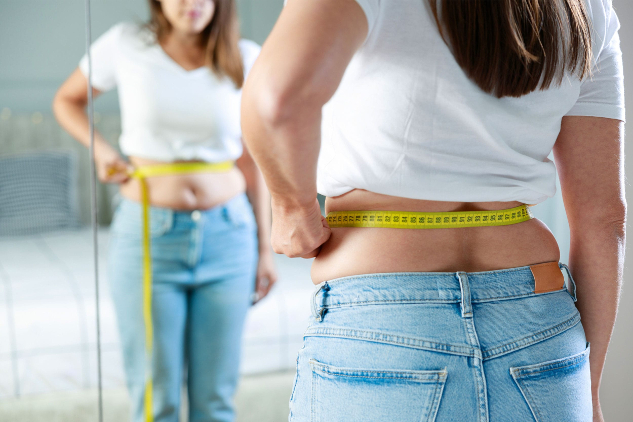
We’ve been taught to believe that losing weight is always the right thing to do. Magazines say it, doctors suggest it, and the mirrorsometimes whispers it back to us. But is shedding pounds always good for your health—or can it backfire when we least expect it?
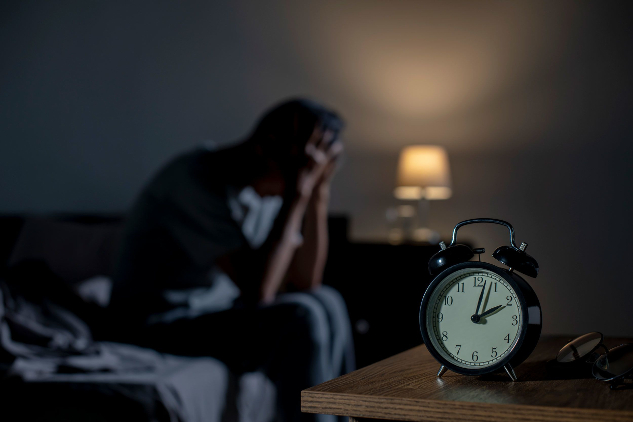
What if the real reason you're dragging through the day isn't your to-do list, but your sleep? The kind of sleep that cradles your mind, resets your body, and lifts your spirit isn’t just a dream—it’s possible. The way you eat, unwind, and listen to your body can transform your nights and, ultimately, your life.

Struggling with post-lunch fatigue? You’re not alone. That mid-afternoon energy crash is a common experience, leaving many people sluggish and unfocused. But what if a simple habit—either a short nap or bright light exposure—could dramatically improve cognitive performance? A groundbreaking study suggests that both interventions boost mental flexibility, but one might have a surprising edge.

Can PTSD develop without direct trauma? Recent research suggests that the brain encodes fear not just from personal experiences but from witnessing the suffering of others. This phenomenon, known as indirect fear learning, raises profound questions about how trauma spreads through social networks and whether PTSD treatments need to account for more than firsthand experiences.
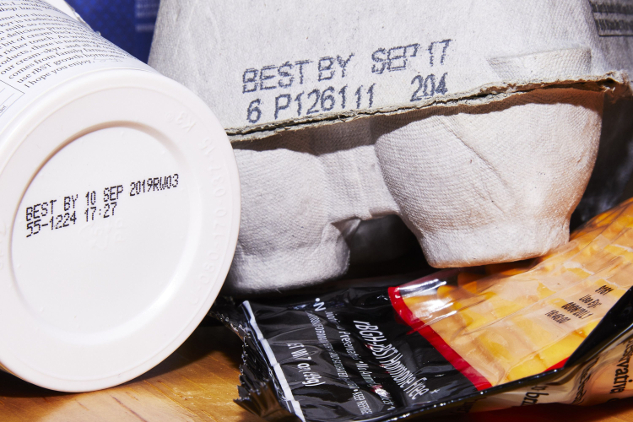
You open the fridge, reach for the yogurt, and notice the dreaded date stamped on the lid: yesterday. Or maybe it’s a can of soup that’s been sitting in your pantry for a year past the “Best Before” date. Your instincts kick in—should you eat it or toss it? Every year, people throw away billions of dollars worth of food based on dates that often have little to do with safety. But what do these labels really mean, and how can you tell if expired food is still good? Let’s break through the confusion and get to the truth.
The quest for happiness often leads to frustration, as many fail to realize that the...

Reaching sixty can evoke complex emotions, blending relief with ongoing ambition. This...

The quest for life's purpose often leads to unsatisfactory answers. This article...

Romantic love is a complex emotion shaped by historical, cultural, and biological...

Imagine going through one of the most physically and emotionally demanding experiences...

Have you ever argued over something that wasn't actually said? From cultural differences...

Daily actions often conflict with personal beliefs due to past experiences. By utilizing...

Therapists often use dream interpretation to delve into patients' emotions, but true...