
Happiness & Success
Achieving Happiness Through Acceptance of Life
The quest for happiness often leads to frustration, as many fail to realize that the...








A call to action for women to lead a spiritual revolution, this article explores the power of the mind in shaping reality and the importance of restoring harmony and balance in society. By harnessing love and compassion, individuals can actualize their true potential and reshape the world for future generations.

In 1922, William Jennings Bryan gave a commencement address at the University of Florida Law School. My grandfather was in the audience. That family connection to one of America's great economic reformers raises a question that still stings: if Bryan were alive today, would he recognize a single thing being sold to us under his movement's name?
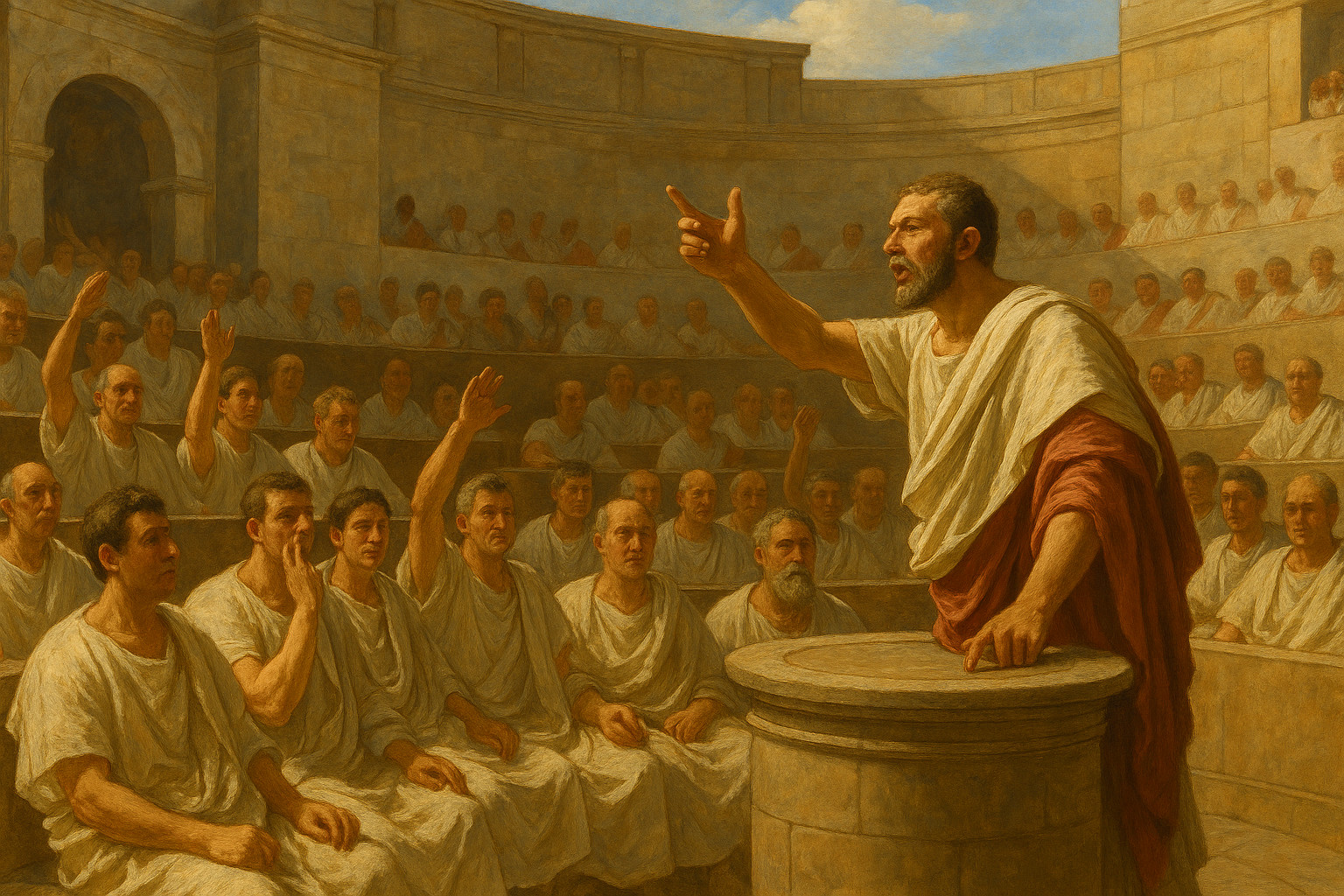
Democracy did not arrive in Athens one morning fully formed, like a gift from the gods. Human beings were limiting power, arguing about fairness, and building consensus long before anyone carved a law into stone. The story of democracy is not a straight line upward — it is a recurring argument, one that every generation inherits and must choose to continue.

Something uncomfortable is happening in the counties that delivered Donald Trump his biggest margins. Farmers are watching their export markets shrink, rural hospital closures are accelerating, and the tariff policies sold as economic nationalism are hitting agricultural communities harder than almost anywhere else. The question is not whether discontent exists among Trump's base, but whether it is deep enough, and organized enough, to matter politically.

Joseph Goebbels was not the architect of Nazi ideology but its master salesman, and he documented his methods with precision. The techniques he developed to manufacture consent and control reality did not die with the Third Reich. They evolved, adapted, and now operate at scale across American politics, media, and digital platforms with ruthless efficiency.
Disillusioned Bernie supporters face a critical choice in the upcoming election, as voting for third-party candidates could undermine the progressive movement. Emphasizing the need for strategic voting, the article argues that electing Hillary Clinton would have been essential to counteract the acute dangers posed by Donald Trump and foster a sustainable grassroots movement for change.
Many people desire basic needs like food, shelter, and love, yet millions struggle to fulfill them. By educating ourselves and engaging in small acts of kindness, individuals can help overcome barriers and make a meaningful impact in their communities. Each action, no matter how small, has the potential to lead to significant change.
In a world dominated by external influences, the need for authentic self-expression is critical. By fostering inner intention and breaking free from societal conditioning, individuals can reclaim their power and act in alignment with their true selves. This article explores the mechanisms for cultivating authenticity and the importance of filtering experiences for personal growth.

The world is at a critical juncture, where a shift in consciousness can redirect efforts from profit-driven exploitation to true sustainability. Innovations in alternative energy, sustainable agriculture, and ecotourism can help nations like Ecuador move away from harmful resource extraction and towards a more sustainable future. This article explores the potential for a collective evolution in thinking and action.
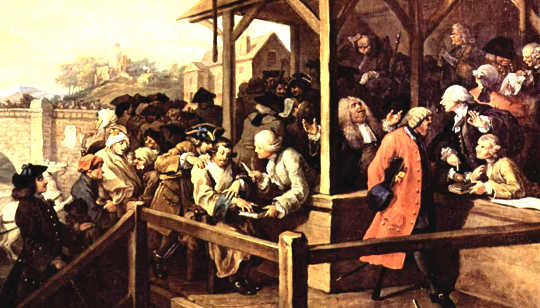
The rise of partisan poll observers, as encouraged by political campaigns, raises concerns about voter intimidation and potential discrimination at polling places. With varying state laws allowing citizens to challenge voter eligibility, inexperienced observers may create confusion, disrupt the voting process, and disproportionately target minority voters, leading to longer wait times and fear among legitimate voters.

The article emphasizes the interconnectedness of humanity and the importance of balancing inner and outer work to serve the greater good. It advocates for sacred activism, combining spiritual wisdom with active service, and suggests community service as a rite of passage for youth. By giving of ourselves, we find joy and fulfillment, fostering a thriving and connected community.

America’s highest court just opened a term packed with cases that could redraw the map of presidential power—tariffs by fiat, firing protections for independent officials, even birthright citizenship skirmishes. With Trump-era claims back on the docket and a conservative supermajority, the question is no longer abstract: can the unitary executive theory tilt the balance so far that checks and balances become decoration rather than guardrails?

We all face bullies—both in the world and in our own minds. Whether it’s an authoritarian leader, a manipulative boss, or the inner critic whispering “you can’t,” silence only feeds them. This article explores how to stand up to bullies with courage and compassion, reclaim your dignity, and build solidarity with others. The time for silence is over. The time for standing up is now.
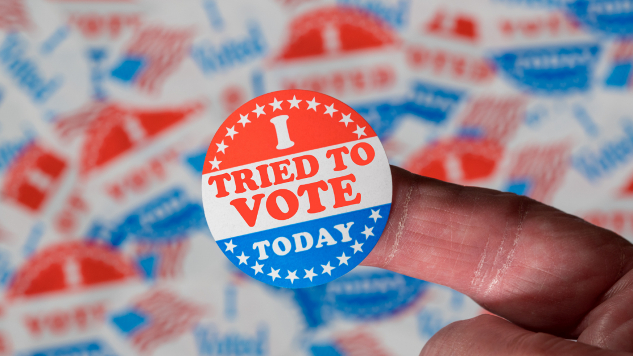
Gerrymandering and voter suppression aren’t clever political strategies; they’re the termites eating away at America’s wooden beams. The house still looks pretty from the outside, but inside the joists are hollow. From Elbridge Gerry’s salamander-shaped district in 1812 to the modern algorithm-driven map wars, democracy has been rigged, rerigged, and then shrink-wrapped for partisan advantage. Republicans have turned suppression into an art form, while Democrats have tried to play nice. But niceties don’t win knife fights. The real question is whether fighting fire with fire could finally push the Supreme Court to outlaw the matchbox altogether.
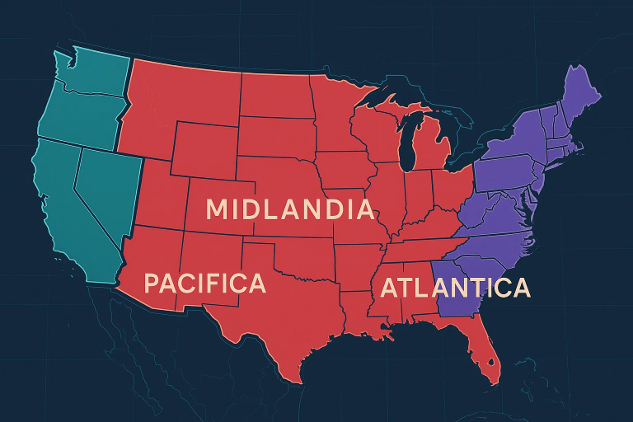
Imagine waking up one morning to discover that the United States no longer exists as a single nation. At first, it sounds like the stuff of dystopian fiction, but lately, even the word “breakup” has crept into political chatter.
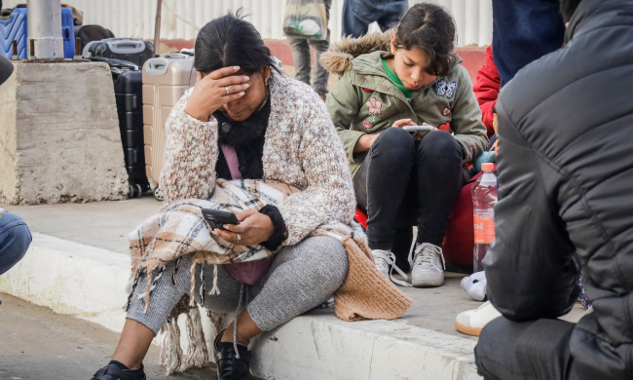
America likes to think it buried eugenics with the Nazis, tucked it away with other embarrassments like leaded gasoline and segregation. But eugenics didn’t die. It rebranded. Today, it wears a suit, carries a briefcase, and calls itself “policy.” It votes in Congress, shows up at school board meetings, and even gives press conferences. It’s not about selective breeding anymore—it’s about selective survival.
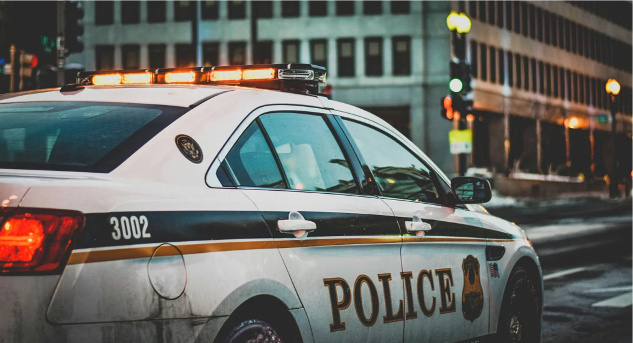
We’re told the crime wave is on our doorstep , lurking in the alley, armed and dangerous, waiting for the chance to strike. But, every crime statistic has a backstory , and it’s not always about “bad people.” From the breadlines of the 1930s to today’s red-state crime surges, something bigger fuels desperation like dry timber feeds fire. The same leaders crying “law and order” are often the ones writing the rules that make communities unsafe in the first place.
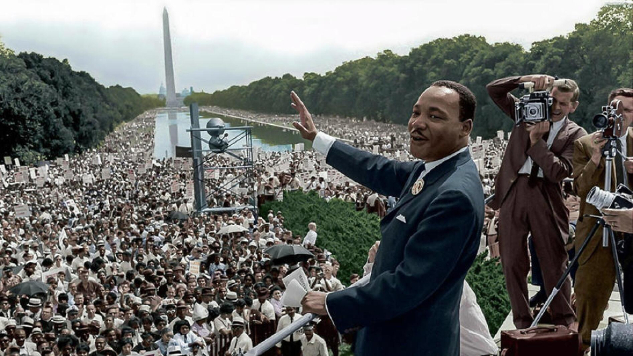
Franklin D. Roosevelt, when pressed for bold action during the Great Depression, famously told activists: “Now go out there and make me do it.” It wasn’t a throwaway line , it was a roadmap. The people had to push. He knew change wasn’t handed down from the heavens; it was wrenched from the hands of power by a determined public. Today, as inequality deepens, political gridlock calcifies, and authoritarianism creeps like black mold, the question isn’t whether we need another Roosevelt moment. The question is: Who’s going to be the force that makes it happen?

We’ve all heard the advice to “stop and smell the roses”—to slow down and appreciate the beauty around us. And yes, that’s good advice. But these days, with so much noise pollution, nonsense, and manipulation bombarding us, we also need to stop and smell something else: the B.S.

When the game is rigged and the referees have gone home, maybe it’s time the other team picked up the ball and started calling their own plays. That’s the debate now bubbling up from California to New York as Democrats stare down a Republican Party gleefully rewriting the rules of democracy, and drawing new lines on the map to make sure the other side never wins again.
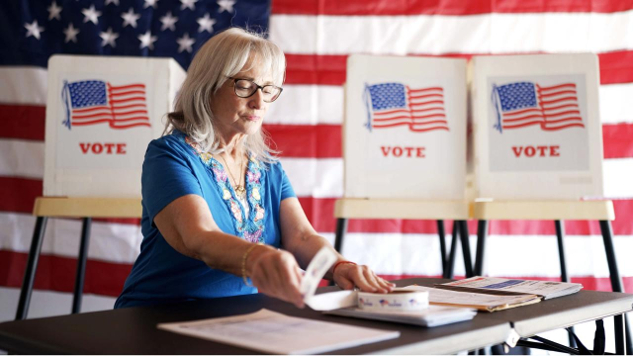
What if I told you the 2026 election theft isn't something coming in the future—it’s already underway? Not with ballot-stuffing or broken machines, but with memos, executive orders, and backdoor data grabs disguised as “security.” While most folks are arguing over gas prices and social media bans, the Trump administration is quietly installing the machinery of electoral control—one voter roll at a time.
The quest for happiness often leads to frustration, as many fail to realize that the...

Reaching sixty can evoke complex emotions, blending relief with ongoing ambition. This...

The quest for life's purpose often leads to unsatisfactory answers. This article...

Romantic love is a complex emotion shaped by historical, cultural, and biological...

Imagine going through one of the most physically and emotionally demanding experiences...

Have you ever argued over something that wasn't actually said? From cultural differences...

Daily actions often conflict with personal beliefs due to past experiences. By utilizing...

Therapists often use dream interpretation to delve into patients' emotions, but true...