
Happiness & Success
Achieving Happiness Through Acceptance of Life
The quest for happiness often leads to frustration, as many fail to realize that the...









Under an administration that spent four years shouting "drill, baby, drill," U.S. greenhouse gas emissions dropped to their lowest levels in decades. Global renewable energy adoption is now accelerating at a pace that would have seemed impossible just five years ago, and the man most responsible for that acceleration never planted a single tree or installed any solar panels. This is the story of how one presidency, through sheer force of dysfunction, did more to advance the climate movement than a generation of polite environmental legislation ever managed.

The distinction between weather and climate is crucial for understanding environmental changes and making informed decisions. Weather refers to short-term atmospheric conditions, while climate encompasses long-term patterns. This article explores how this knowledge can guide personal adaptations and climate-related planning.
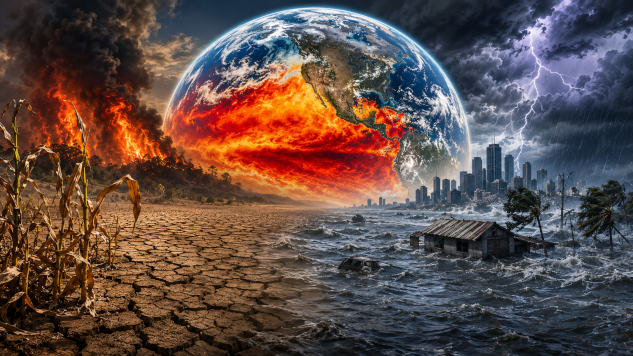
A super El Nino is building in the Pacific. James Hansen projects global temperatures could reach 1.7°C above preindustrial levels by 2027. The Iran war has already pushed fertilizer prices up 50 percent. Droughts and floods are battering the world's growing regions. The buffer stocks are thin. The insurance industry is retreating. And most governments are pretending this is temporary weather. Welcome to the oh-shit moment nobody prepared for.

Stand at the front door of any big supermarket and play a little game. Count the aisles of boxes and bags, then try to find the small strip of real food that depends on insects. If bees and their wild cousins keep fading, that strip shrinks and prices rise. This is not just about pretty butterflies. It is about dinner, health, and who gets left out when the bill comes due.

The number is 423.9. That’s the current concentration of carbon dioxide in the atmosphere—423.9 parts per million. On paper, it looks like a statistic. In reality, it’s a verdict. It says the planet isn’t broken. The system that runs it is.

Climate models once seemed abstract, but today their predictions have become reality. From rising temperatures to shifting weather, climate researchers got it right. The accuracy of these forecasts isn’t just about science, it’s a roadmap for humanity. By understanding what climate models reveal, we can shift from fear toward cooperation, renewal, and action for a future where collective choices matter more than denial.
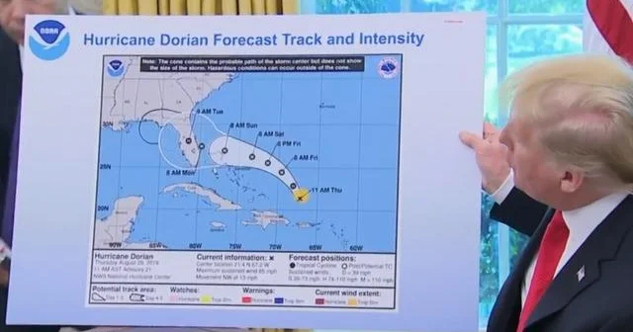
As Republicans slash U.S. climate data programs, they're not just endangering Americans, they're putting the entire planet's weather forecasting at risk. Without reliable data, storms become deadlier, predictions falter, and lives are lost. This is no accident, it’s a calculated dismantling of public safety by those who prefer power over preparedness. In this article, we reveal how climate data cuts jeopardize the future.

As global warming accelerates, and the U.S. government retreats from climate responsibility, a new front in climate adaptation is emerging. This article reveals how investors, cities, and international actors are building resilience through innovation, and why everyday people play a role in shifting the tide.
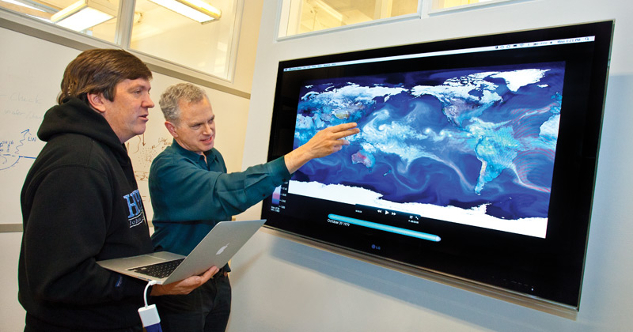
What if America’s climate future isn’t shaped by Washington, but by Sacramento, Albany, and Raleigh? As gridlock grips the federal government, a new study suggests that state-led climate policies might not just fill the gap—they could redefine how the U.S. cuts carbon emissions.
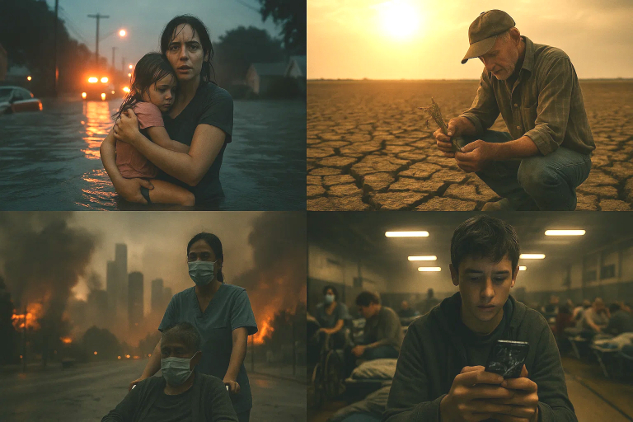
We’re not confused about how to stop climate collapse—we’re just unwilling to do it. The science is settled, the tools exist, and the warnings couldn’t be louder. But instead of mobilizing like it’s World War III, we get timid plans and tech fantasies. What we need is immediate, system-wide transformation. What we get is delay. And delay, at this point, is surrender.
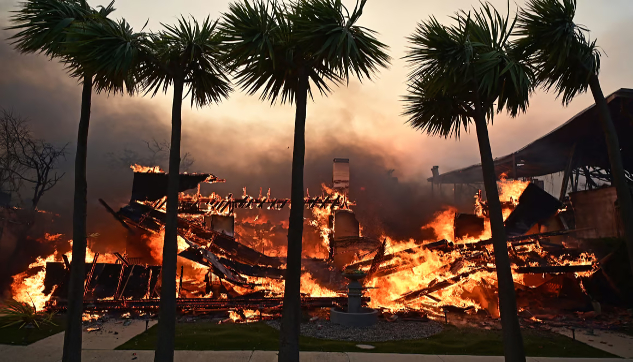
Santa Ana winds fuel California's escalating wildfires. Learn the science behind their intensification and how climate change and jet stream shifts worsen the crisis.
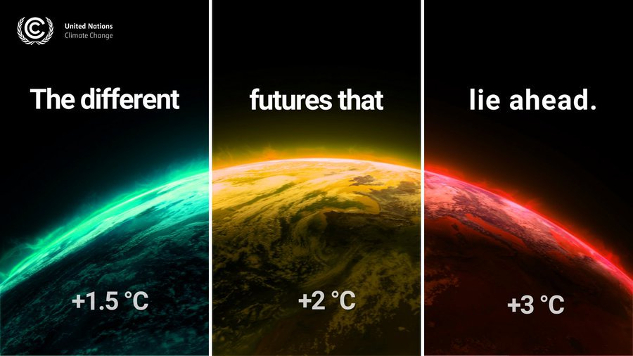
Earth’s average temperature surpassed 1.5 °C above pre-industrial levels in 2024. Learn how fossil fuel deception, plastics, and misinformation are accelerating the climate crisis and what lies ahead.

Coral reefs, critical to marine life and coastal communities, face collapse from climate tipping points. Learn how innovations are saving these ecosystems.
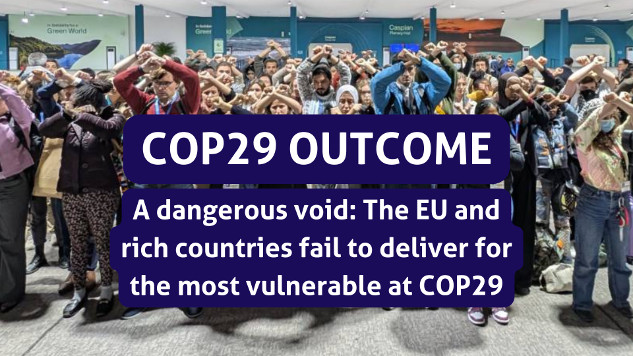
COP29 faces heavy criticism as fossil fuel lobbyists dominate talks, delaying action on the climate crisis. With mass migration, economic collapse, and extreme weather looming, the need for immediate, binding action has never been more urgent.
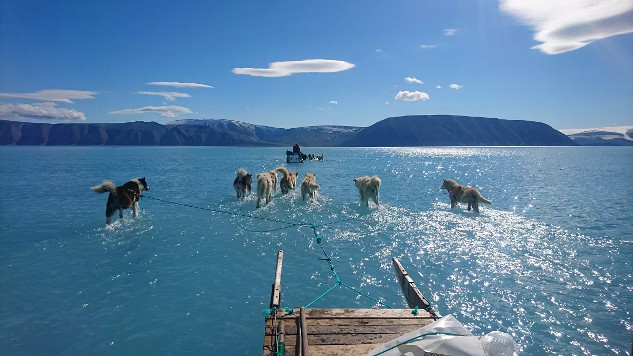
Weakening Atlantic Ocean currents, including the AMOC, spell disaster for Europe, the South Atlantic, and global climates. Learn about this looming crisis and its far-reaching impacts.
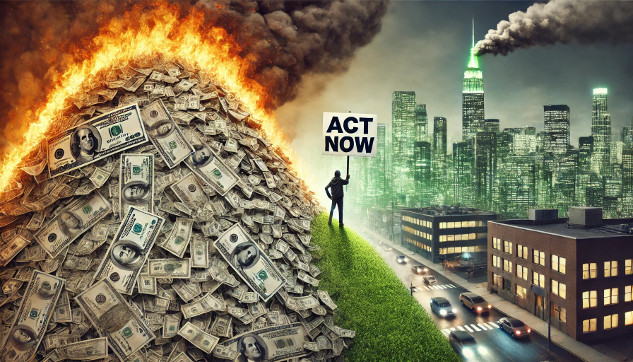
As the Fourth Turning brings historical upheaval, climate action is essential yet challenging. Can taxing the wealthy support the climate investments we urgently need?

Eco-anxiety, a growing concern tied to climate change, is affecting people globally. This article explores the intersection of eco-anxiety, mental health, and how we can cope in a world increasingly affected by environmental crises. Communities most impacted by climate chaos, from Asia to the Americas, report distress ranging from grief to hopelessness. With six planetary boundaries crossed, the connection between climate and mental health is critical to understand for future action.
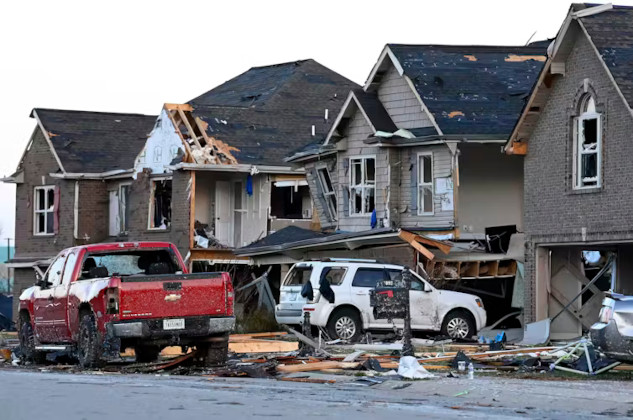
Homeowners across the US are facing rapidly increasing insurance premiums due to climate change and more frequent extreme weather events. Rising home insurance rates are driven by increased repair costs from hurricanes, wildfires, and floods, leaving many struggling with higher bills and reduced coverage. Learn why these changes are happening and how climate change is forcing insurance companies to adjust their policies.
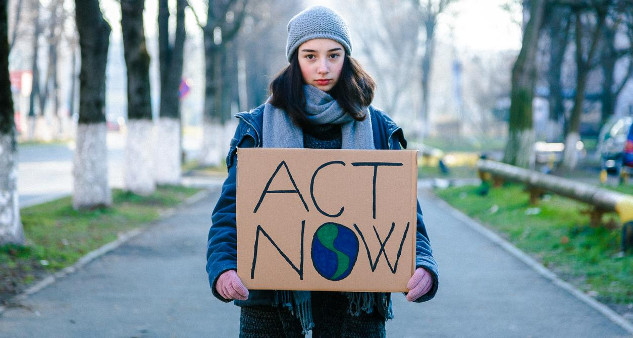
As global temperatures shatter records, we find ourselves in uncharted territory and face unprecedented climate threats. The potential release of methane hydrates—an often overlooked yet potent greenhouse gas—could accelerate global warming beyond control.
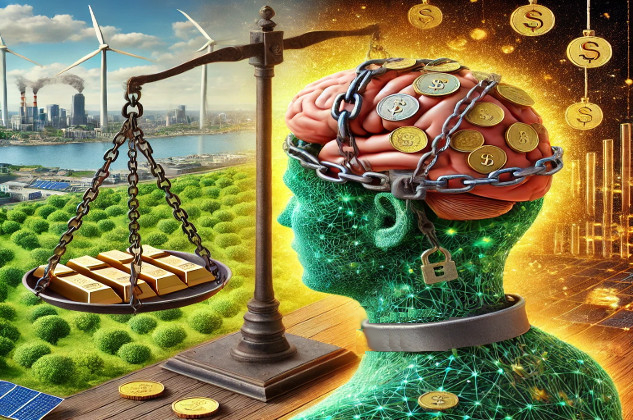
Discover why rethinking economic mindsets is essential for climate survival. Learn how shifting economic paradigms, breaking free from the gold standard, and utilizing interest-free bonds can lead to sustainable solutions.
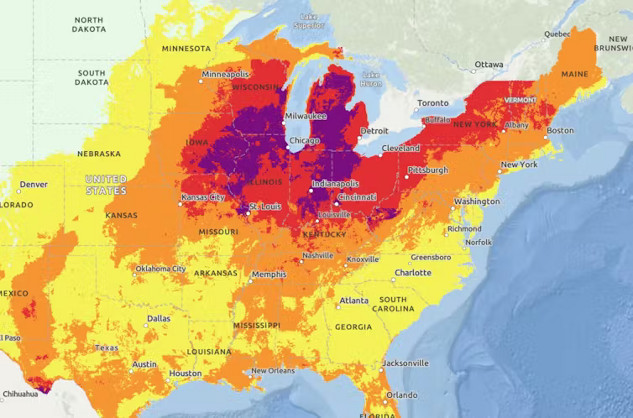
What is a heat dome?A meteorologist explains the weather phenomenon baking the northeast quarter of the US
The quest for happiness often leads to frustration, as many fail to realize that the...

Reaching sixty can evoke complex emotions, blending relief with ongoing ambition. This...

The quest for life's purpose often leads to unsatisfactory answers. This article...

Romantic love is a complex emotion shaped by historical, cultural, and biological...

Imagine going through one of the most physically and emotionally demanding experiences...

Have you ever argued over something that wasn't actually said? From cultural differences...

Daily actions often conflict with personal beliefs due to past experiences. By utilizing...

Therapists often use dream interpretation to delve into patients' emotions, but true...