
Happiness & Success
Achieving Happiness Through Acceptance of Life
The quest for happiness often leads to frustration, as many fail to realize that the...









This isn’t a normal period of disruption, which is usually caused by failures in supply such as road accidents or industrial action. In this case it is the lack of demand that is the problem.

Science warns us that the 2020s will be humanity’s last opportunity to save itself from a climate catastrophe.

How do you respond to a crisis? It’s obvious that the response to the COVID-19 pandemic has been dramatically different to anything provoked by repeated scientific warnings about climate change.
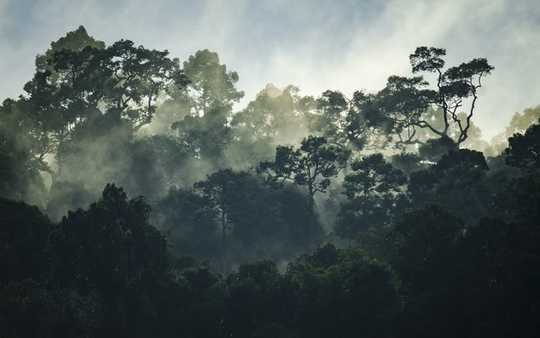
Tropical forests matter to each and every one of us. They suck colossal quantities of carbon out of the atmosphere, providing a crucial brake on the rate of climate change.
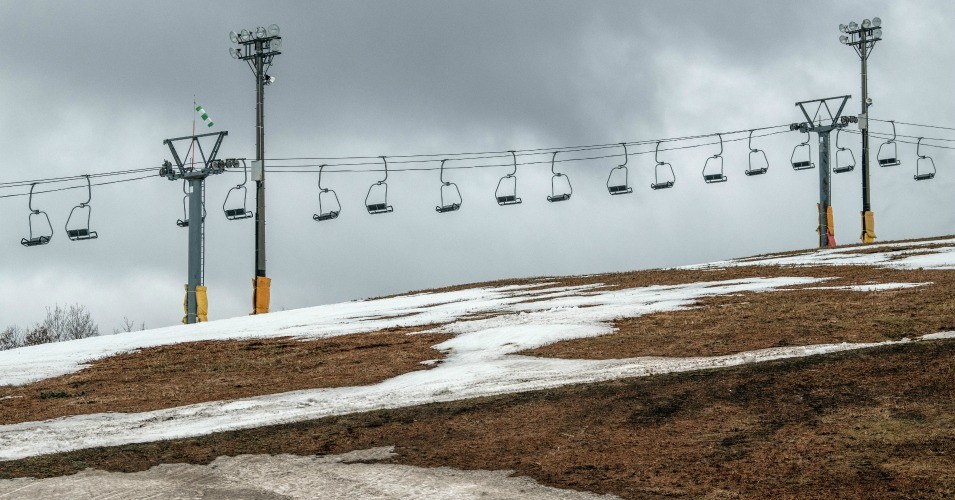
The world's top meteorological experts issued the warning as cities and countries around the world reported record-breaking warm winters.

Luxembourg recently became the first country in the world to make all public transport free.

Up to half of the world’s sandy beaches are at risk of disappearing by the end of this century if no action is taken to limit greenhouse gas emissions.

A quarter of climate-related tweets in the studied period—around when Trump announced plans to ditch the Paris agreement—came from bots.

If you’re a traveller who cares about reducing your carbon footprint, are some airlines better to fly with than others?

Successful implementation of the Paris agreement targets could help reduce extinctions considerably, possibly to 16% or less by 2070, according to lead author Cristian Román-Palacios.
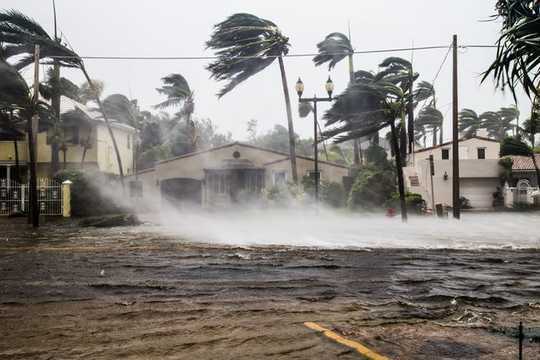
To get people to stop and pay attention, successful advertising delivers information simply and with an emotional hook so that consumers notice and, hopefully, make a purchase.

Evidence suggests the number of species going extinct, and the rate at which they disappear, is increasing dramatically.
The world’s largest polar research expedition is currently underway in the Arctic. The year-long expedition, known as the Multidisciplinary drifting Observatory for the Study of Arctic Climate (MOSAiC), involves 300 researchers from 19 countries.
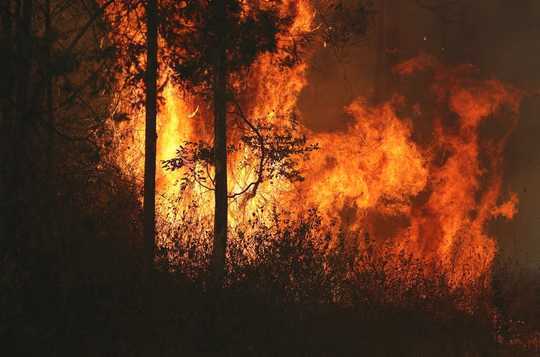
Australia’s recent bushfire crisis will be remembered for many things – not least, the tragic loss of life, property and landscape.

Experienced anglers recognize that for a trout, the ultimate “steak dinner” is a stonefly or mayfly.
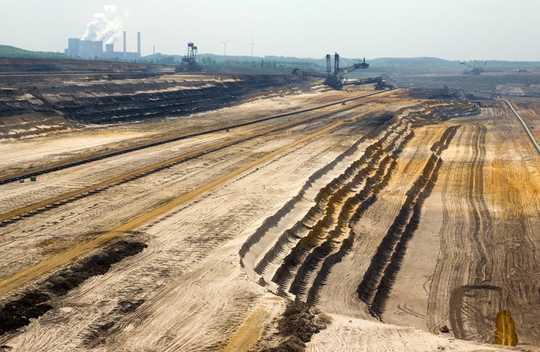
This erasure of one government’s climate project by its successor was only the tip of the melting iceberg.

Can the future be predicted? Most certainly. Can anyone or anything predict the future with any certainty?
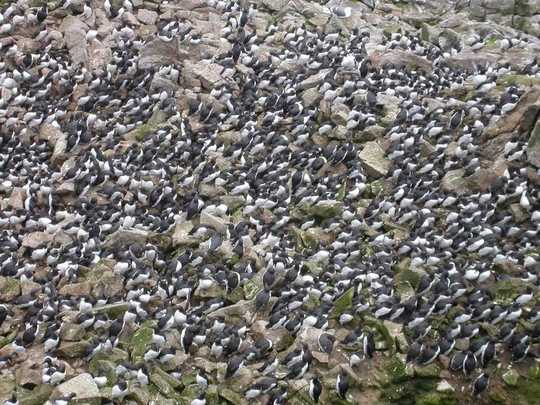
Between the summer of 2015 and the spring of 2016, a marine heatwave swept the northern Pacific Ocean that was hotter and lasted longer than any since records began in 1870.
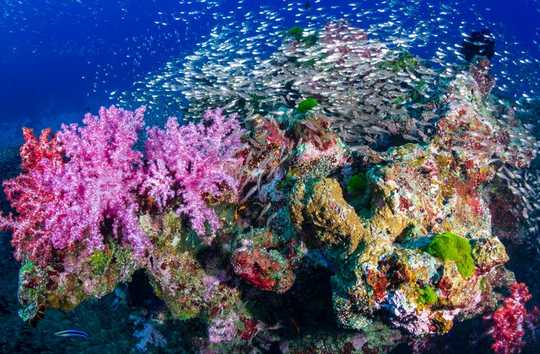
Noisy reefs are a very good thing. So good, in fact, that we might be able to use the sound of healthy coral reefs to improve the quickly increasing number of degraded ones.

For over a quarter of a century, United Nations climate negotiations have failed to reach a legally binding treaty.

This analysis shows that we're heading in the wrong direction and really need to slow emissions growth from the oil, gas, and petrochemical industries.
The quest for happiness often leads to frustration, as many fail to realize that the...

Reaching sixty can evoke complex emotions, blending relief with ongoing ambition. This...

The quest for life's purpose often leads to unsatisfactory answers. This article...

Romantic love is a complex emotion shaped by historical, cultural, and biological...

Imagine going through one of the most physically and emotionally demanding experiences...

Daily actions often conflict with personal beliefs due to past experiences. By utilizing...

Have you ever argued over something that wasn't actually said? From cultural differences...

Therapists often use dream interpretation to delve into patients' emotions, but true...