
When you picture solar power, chances are you conjure up images of large solar panels spanning the length of a rooftop or a large solar farm out in a field.








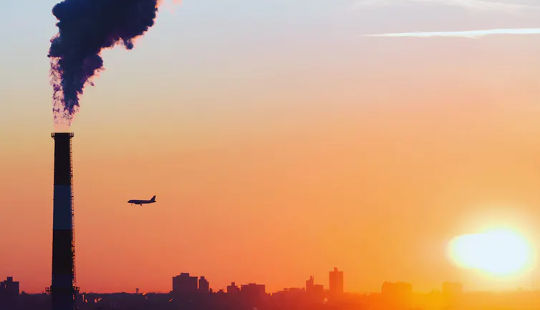
Sometimes realisation comes in a blinding flash. Blurred outlines snap into shape and suddenly it all makes sense. Underneath such revelations is typically a much slower-dawning process.

When President Joe Biden took Ford’s electric F-150 Lightning pickup for a test drive in Dearborn, Michigan, in May 2021, the event was more than a White House photo op.
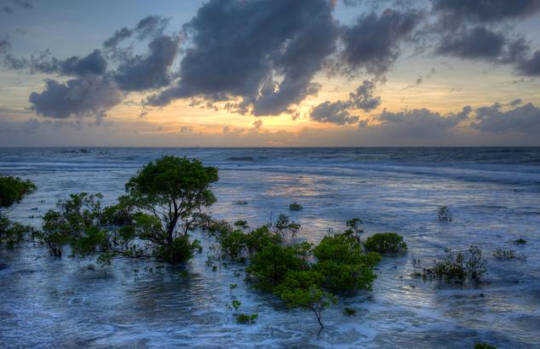
Chair Raul Grijalva (D-AZ) along with 25 original cosponsors has reintroduced the Ocean-Based Climate Solutions Act on World Oceans Day, June 8th,2021. This is the type of visionary bill we need for this moment, recognizing that the ocean is a powerful source of solutions to the climate crisis.
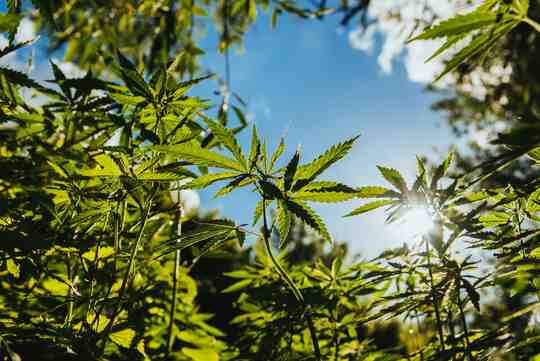
Would it be helpful to undertake a nationwide and coordinated mass planting of trees and plants that are known to have a high uptake of carbon dioxide such as paulownia and hemp alongside the attempts to plant natives?
When you picture solar power, chances are you conjure up images of large solar panels spanning the length of a rooftop or a large solar farm out in a field.
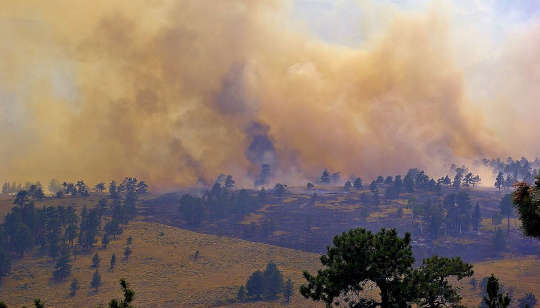
The Western U.S. appears headed for another dangerous fire season, and a new study shows that even high mountain areas once considered too wet to burn are at increasing risk as the climate warms.
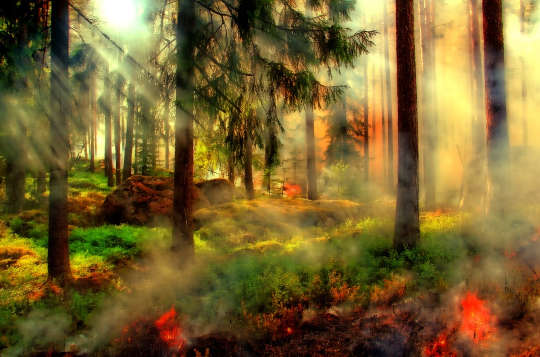
Just about every indicator of drought is flashing red across the western U.S. after a dry winter and warm early spring. The snowpack is at less than half of normal in much of the region.

A “super full moon” is coming, and coastal cities like Miami know that means one thing: a heightened risk of tidal flooding.
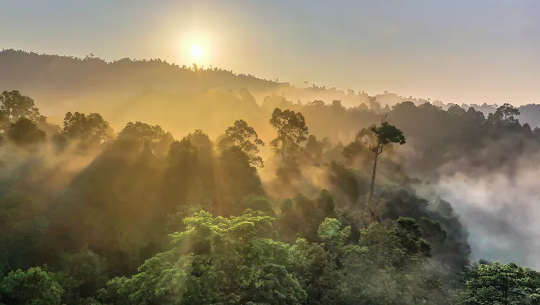
Our society asks so much of these fragile ecosystems, which control freshwater availability for millions of people and are home to two thirds of the planet’s terrestrial biodiversity.
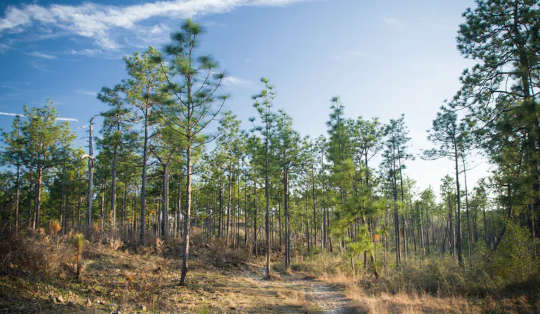
As a species, humans are wired to collaborate. That’s why lockdowns and remote work have felt difficult for many of us during the COVID-19 pandemic.
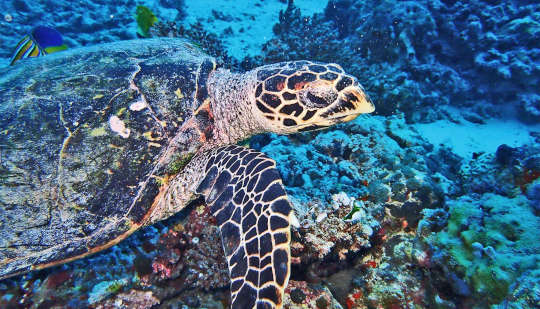
It is really hard to know how a species is doing by just looking out from your local coast, or dipping underwater on scuba

Climate-labeling clearly affects consumers—both those people who are keen to be aware of the climate impact, as well as those who actively seek to ignore this sort of knowledge
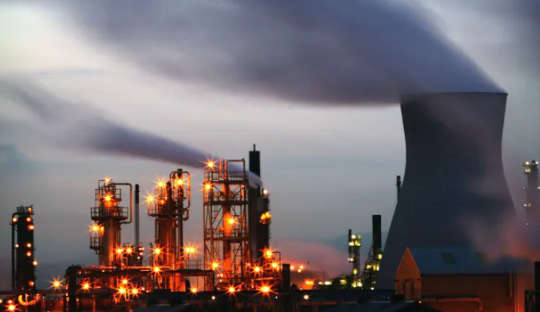
Hundreds of companies, including major emitters like United Airlines, BP and Shell, have pledged to reduce their impact on climate change and reach net-zero carbon emissions by 2050.
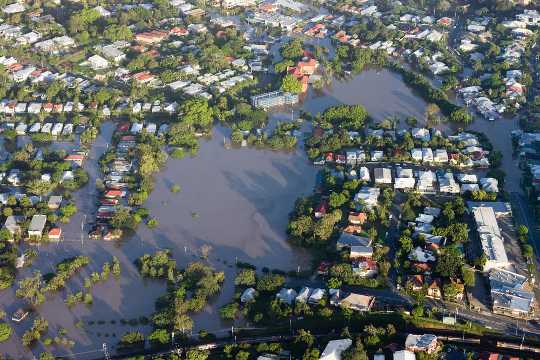
As the climate changes, floods and extreme rainfall events will become more intense. In many cases, the most disadvantaged people are at highest risk from floods and least able to bounce back when their homes and businesses are inundated.
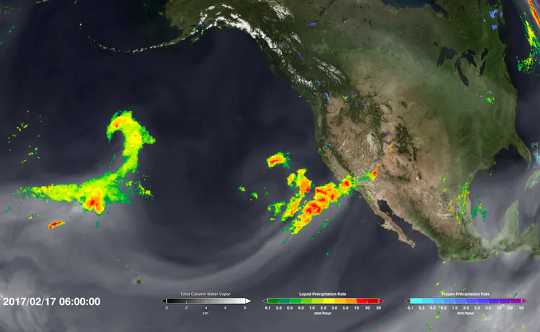
Ask people to name the world’s largest river, and most will probably guess that it’s the Amazon, the Nile or the Mississippi. In fact, some of Earth’s largest rivers are in the sky – and they can produce powerful storms, like the one now soaking California.
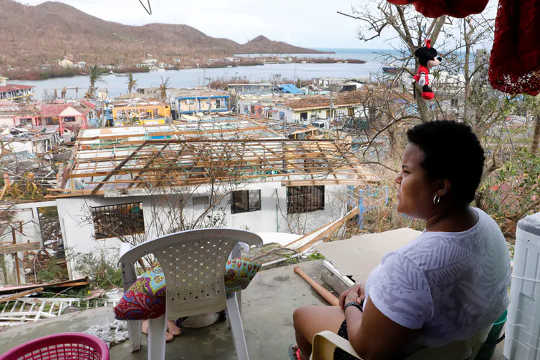
The year 2020 will no doubt go down in history for other reasons, but it is also on target to be one of the warmest on record. And as the climate warms, natural hazards will happen more frequently – and be ever more lethal.

The gold standard of research in science is the randomised controlled trial. The COVID-19 restrictions may at times seem random and most certainly feel like a trial. But are they controlled enough to learn from?
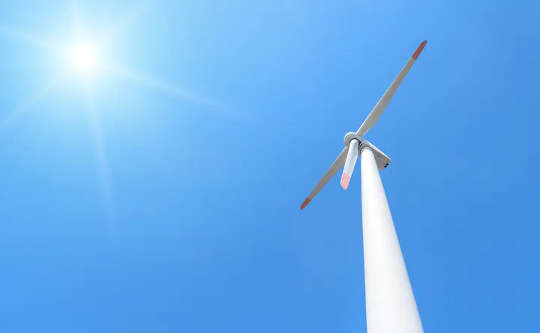
Australia doesn’t yet export renewable energy. But the writing is on the wall: demand for Australia’s fossil fuel exports is likely to dwindle soon, and we must replace it at massive scale.
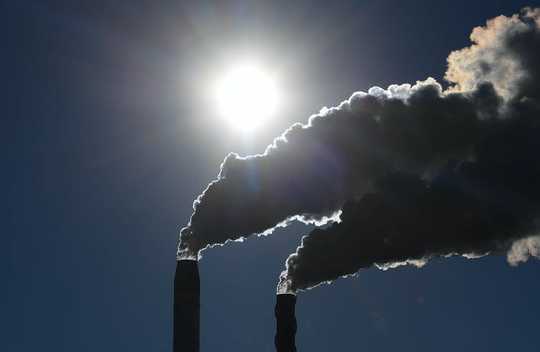
For the last few decades, the consensus among leading economists has been that putting a price on carbon is the most efficient way to reduce emissions.
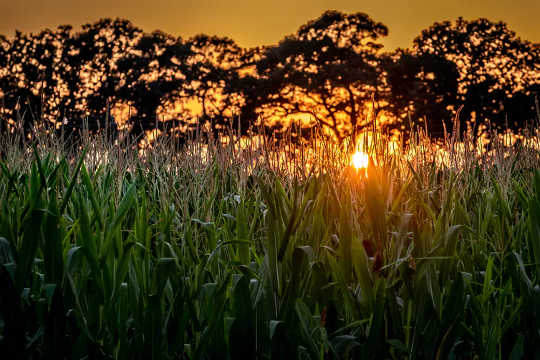
The Intergovernmental Panel on Climate Change says negative emissions technologies will be needed to meet the Paris Agreement goal of limiting warming to well below 2?. In other words, just cutting emissions is not enough – we must also take existing greenhouse gases from the air.
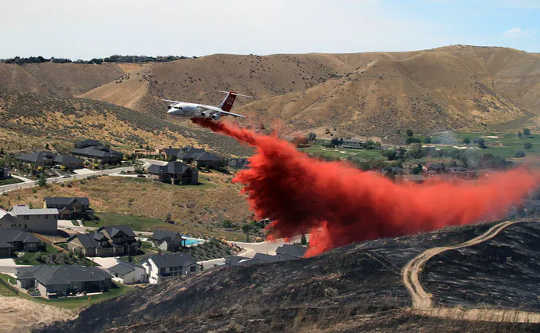
Summer and fall are wildfire season across the western U.S. In recent years, wildfires have destroyed thousands of homes, forced hundreds of thousands of people to evacuate and exposed tens of millions to harmful smoke.

The quest for happiness often leads to frustration, as many fail to realize that the...

Reaching sixty can evoke complex emotions, blending relief with ongoing ambition. This...

The quest for life's purpose often leads to unsatisfactory answers. This article...

Romantic love is a complex emotion shaped by historical, cultural, and biological...

Imagine going through one of the most physically and emotionally demanding experiences...

Have you ever argued over something that wasn't actually said? From cultural differences...

Daily actions often conflict with personal beliefs due to past experiences. By utilizing...

Therapists often use dream interpretation to delve into patients' emotions, but true...