
Happiness & Success
Achieving Happiness Through Acceptance of Life
The quest for happiness often leads to frustration, as many fail to realize that the...









Now, I’m no fancy economist, but when the road eats my axle, I start doubting all this “fiscal responsibility” talk. Deficits aren’t dangerous when spent wisely. Government spending on housing, healthcare, education, and energy lowers daily costs and grows individual wealth. Bad roads, high rents, and medical bills bleed families dry. But smart investment flips the script, building capacity, cutting bills, and leaving people richer, not poorer. It’s not about spending less, but spending better. That’s the real wealth strategy.

All things tend toward excess. All things must recalibrate. Excess and recalibration are the universal rhythm of existence. From atoms to empires, from stars to souls, the pattern is the same: excess, collapse, renewal. We are not living through a moment of random chaos. We are living through a global polycrisis, where every excess of the past century is now demanding recalibration. Welcome to the world disorder of 2025.

Public health in America stands at a breaking point. With the CDC crisis deepening and vaccine systems under attack, experts warn the U.S. is unprepared for the next pandemic. From political interference to underfunded infrastructure, the lessons of COVID are being ignored while history repeats itself. This article explores what’s at stake for our safety, trust, and future.

Neo-feudalism is no longer a theory; it’s the reality unfolding before our eyes. As wealth concentrates at the top, millions sink into debt, precarity, and economic collapse. From Reagan’s tax cuts to Trump’s tariffs and Biden’s inflation squeeze, the system has been rigged to protect elites while pushing the rest of us toward modern serfdom. The question is, will we accept it, or rise to demand a new economy?
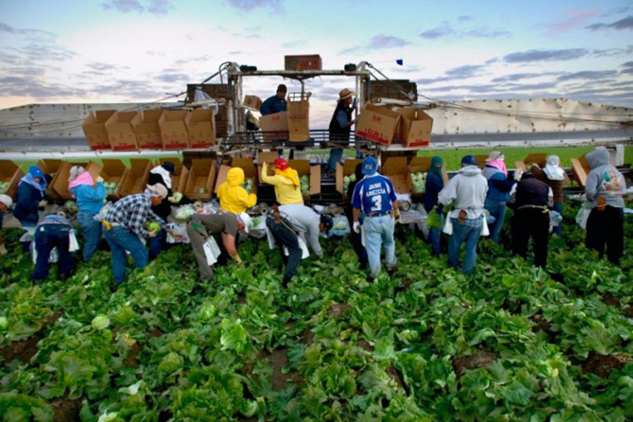
As AI displaces middle-class workers, a deeper question emerges: will native-born and educated workers accept the immigration jobs they once rejected? From coding to farm fields, society may face a reckoning over labor, dignity, and career expectations. The intersection of immigration and AI displacement could reshape the workforce in ways few are prepared to face.
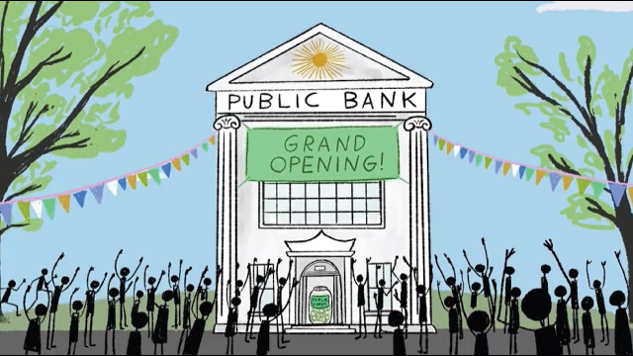
Public banking and community wealth are not abstract slogans. They are practical tools for lowering borrowing costs, funding the essentials politicians keep promising, and moving money back into local streets where it creates jobs and stability. This piece lays out what a public bank actually is, why states and cities are revisiting the model, and how you can press leaders to act without waiting another election cycle.
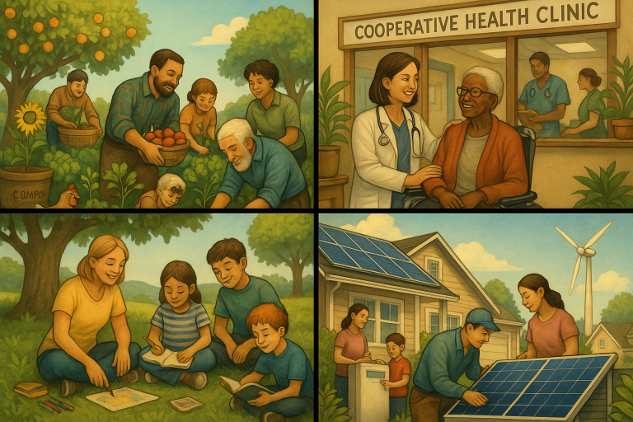
Why is immigration suddenly treated like an invasion, and why does diversity feel threatening to those in power? Maybe it’s not just about culture or borders, maybe it’s about systems. And maybe the system is broken because we designed it that way.

Donald Trump likes to call himself the master of the deal. But as with most showmen, the illusion tends to be more dramatic than the substance. His so-called trade “wins” are less about diplomacy and more about drama. Scratch beneath the surface, and you’ll find a pattern of grandiose press releases with little to no legal backbone. It's not that he didn’t make headlines, it’s that he rarely made treaties. And in the world of international commerce, headlines don’t hold up in court.
Paul Krugman recently raised a red flag: the U.S. Congress isn’t just opposed to creating a Central Bank Digital Currency—it’s banning the Fed from even thinking about one. That’s right, they’re outlawing thought. Meanwhile, Brazil has rolled out a lightning-fast, nearly-free public payment system used by over 90% of its adults. But Krugman missed the deeper issue. This isn’t just about payment apps or crypto alternatives. It’s about who gets to control money itself. And more dangerously, it’s about what happens if you—the ordinary citizen—get access to an account at the Fed.
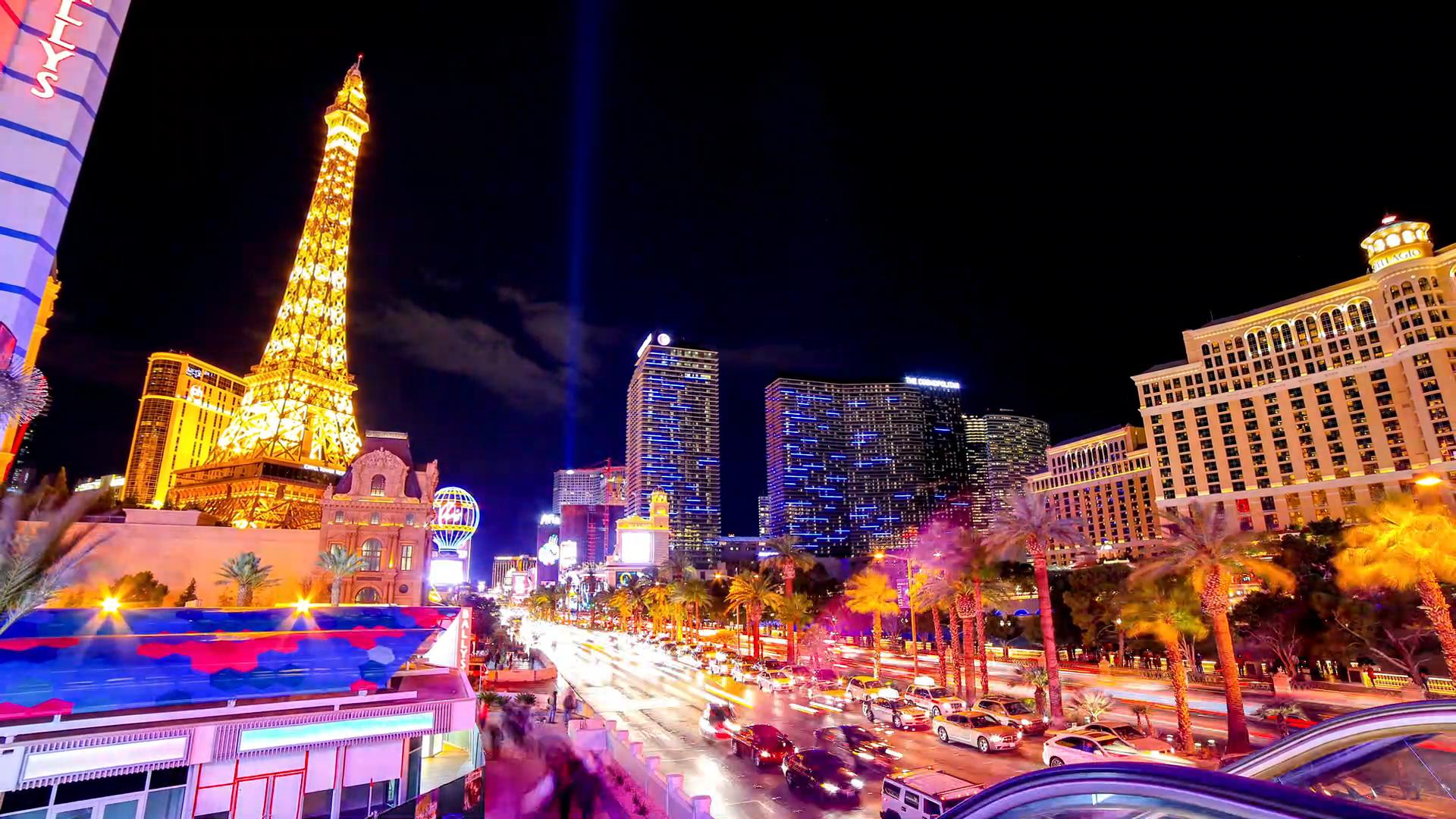
He tweets at the Fed, brags at Mara Lago, and treats the U.S. economy like a slot machine. Sounds like a joke—but it's not. It's the daily reality we've been living in, where governance has become spectacle, leadership a brand, and policy a poker game with your rent money on the table. This isn’t satire. This is America under the influence—of greed, showmanship, and an ever-widening disconnect from the people who actually live in the country. And now, one music video dares to call it out… verse by verse, beat by beat.
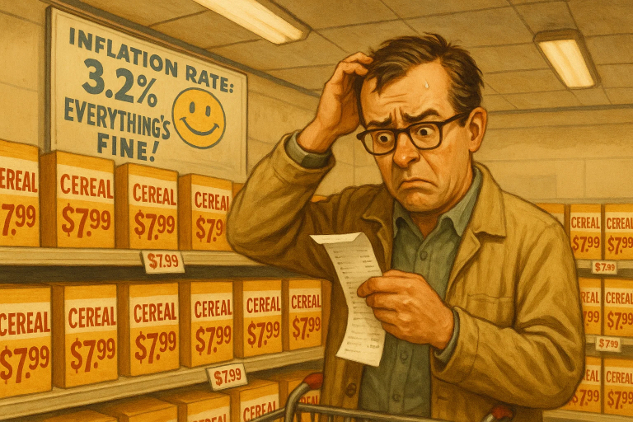
Inflation is supposedly under control at around 2.7 percent. The talking heads say we’re heading back to safe economic ground. But if you’re staring at a $150 grocery bill or wondering why your phone case just cost you 25 percent more, you already know something’s off. The inflation signals are misleading—and dangerously so.

Dorothy Gale III never quite believed the stories. Not fully. Not the way her grandmother told them. But she loved to listen. As a little girl, she’d curl up beside the old woman on a wide front porch in Kansas, the air thick with cicadas and the scent of cornfields. And the stories would spill out like magic.

RFK Jr gutted U.S. vaccine leadership, sparking global concern with Gavi defunding and revived debunked claims. Here’s what it means for you.
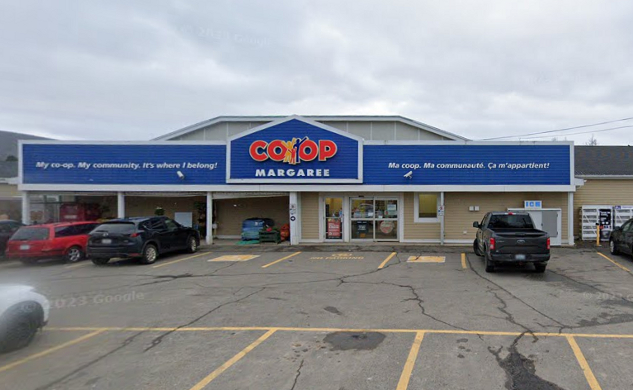
Imagine living in a city where you can see luxury condos from your window but can’t buy a head of lettuce within walking distance. That’s not a dystopian joke — it’s daily life in parts of New York. And while politicians bicker over slogans, communities are quietly building a better answer: ownership, cooperation, and capitalism that actually feeds people.
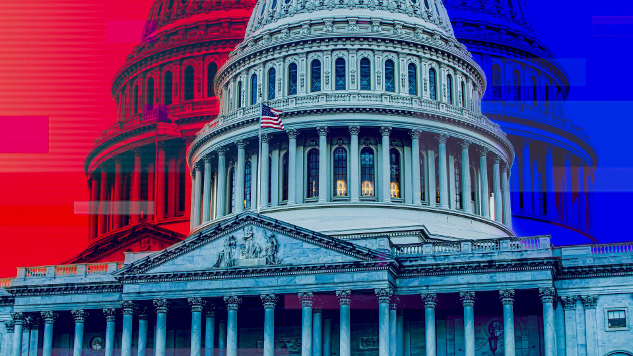
Donald Trump called it the “Big Beautiful Bill.” But for 16 million Americans about to lose their healthcare, it’s more like the Big Beautiful Betrayal. This isn’t policy; it’s political pickpocketing—disguised in stars and stripes. And just like a cheap magic trick, the real pain doesn’t hit until after the election. Funny how that works, isn’t it?
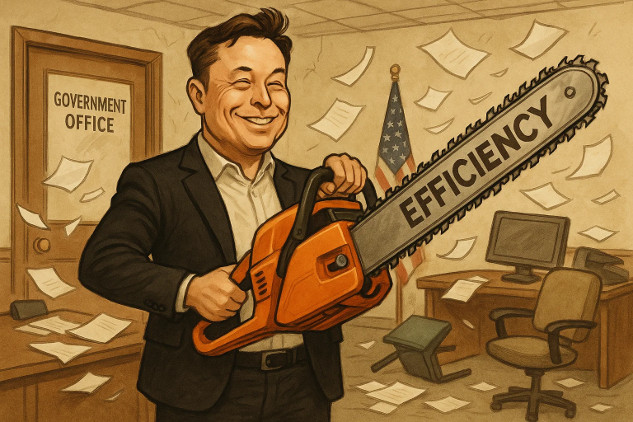
The Trump administration’s attempt to make the federal government leaner has turned into a costly lesson in what happens when ideology overrides competence. While politicians have spent decades railing about the supposed inefficiency of the U.S. government, the facts tell a different story. And now, with millions wasted on firing and then rehiring essential federal workers, it is clear who the real inefficiency peddlers are—and it is not the career public servants.
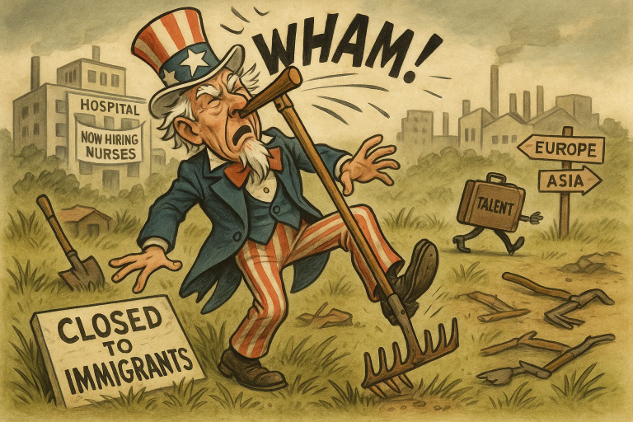
We’re careening toward an economic trainwreck, and the conductor just stepped on the gas. Canada and the United States are facing a full-blown skills shortage and workforce crisis, but instead of hitting the brakes, leaders like Donald Trump are throwing sand in the gears. Forget ideological debates for a minute—if we don’t fix the growing mismatch between education, skills, and job demand, no amount of flag-waving will save us from a productivity collapse that makes the Great Recession look like a hiccup.
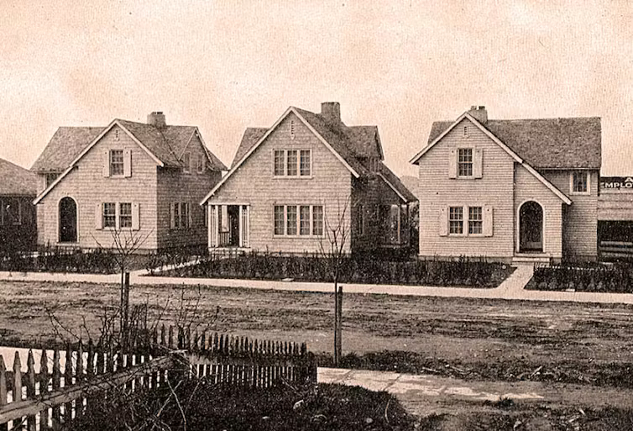
During WWI, the U.S. government built 80 public housing communities in just two years—homes with parks, schools, and sewer systems. This ambitious project, led by the U.S. Housing Corporation, housed nearly 100,000 people and set planning standards we still use today. It’s a forgotten legacy that proves bold government action can solve a housing crisis—even in wartime.
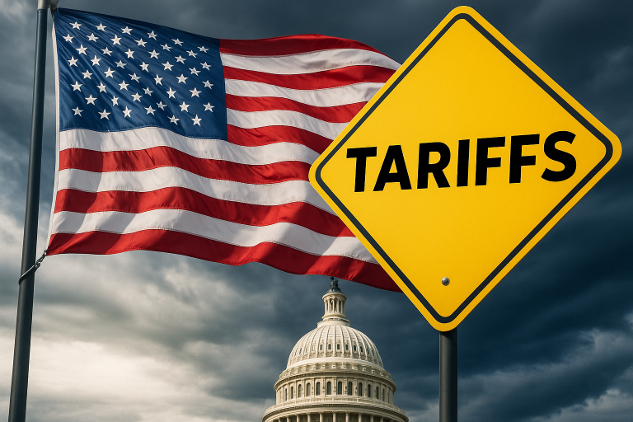
Donald Trump is back on the trade warpath, and this time, he's not just tweeting threats — he's promising to send out actual letters to America’s trading partners, outlining tariff rates like they’re overdue invoices. As with every round of this economic rollercoaster, American consumers aren’t just along for the ride — they’re the ones footing the bill. So what’s really going on behind this bizarre blend of bluster, paperwork, and price hikes? Let’s break it down.
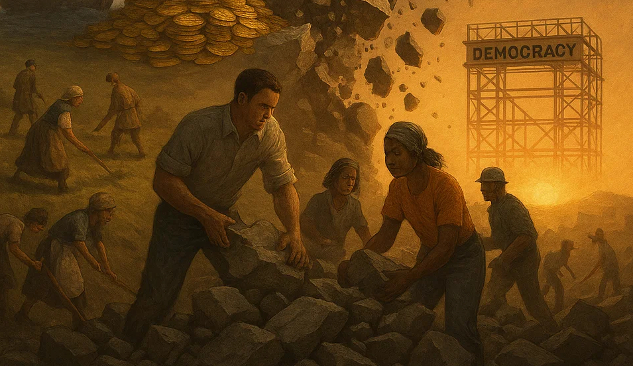
In a world where billionaires play gods and CEOs rule with more power than monarchs ever dreamed of, it's easy to forget this wasn’t always the way. In fact, once upon a time, even peasants had a lord who owed them something in return. This is the story of how we went from mutual obligation to economic disposability—and how fear, fueled by profit, is unraveling democracy thread by thread.
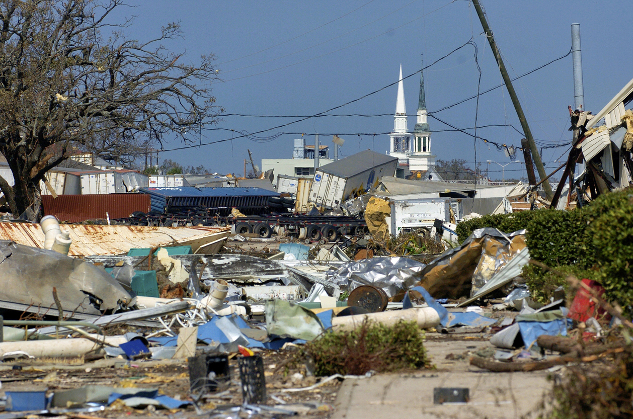
What if FEMA didn’t exist? It’s not just a political thought experiment—it’s a question that cuts to the core of how we define responsibility, coordination, and resilience in a time of escalating disaster. As hurricanes intensify, wildfires spread, and infrastructure cracks under pressure, the federal safety net provided by FEMA is often the last thing standing between chaos and recovery. But what if that net vanished overnight?
The quest for happiness often leads to frustration, as many fail to realize that the...

Reaching sixty can evoke complex emotions, blending relief with ongoing ambition. This...

The quest for life's purpose often leads to unsatisfactory answers. This article...

Romantic love is a complex emotion shaped by historical, cultural, and biological...

Imagine going through one of the most physically and emotionally demanding experiences...

Have you ever argued over something that wasn't actually said? From cultural differences...

Daily actions often conflict with personal beliefs due to past experiences. By utilizing...

Therapists often use dream interpretation to delve into patients' emotions, but true...