
Happiness & Success
Achieving Happiness Through Acceptance of Life
The quest for happiness often leads to frustration, as many fail to realize that the...








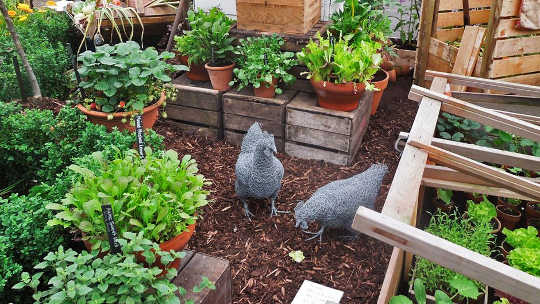 The environmental and nutrient impact of our food choices had been on my mind for several weeks when a year-old article in the Telegraph recently came to my attention, prompting me to assemble the thoughts that had been gradually coalescing.
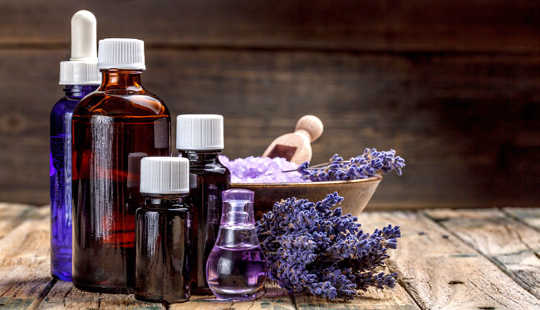 In a world where clever marketing distracts us from the actual ingredients in our toiletries, it’s hard to know exactly what we’re using to wash our bodies.
 After a day of stress, of decision making, of kid's fights to referee -- when your body is tense and depression is knocking at your mind's front door...what could possibly be the ticket to relief? Could it be as simple as stepping outside to gaze at the night moon?
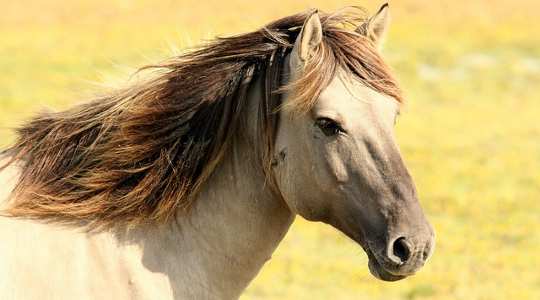 News of my communications with the horses had spread in the small Costa Rican community. The horsemen, the veterinarian, and the cabin retreat employees were all aware of it. Some had reacted with apprehension, suspicious of my abilities, while others were afraid that I might be reading their minds, too.
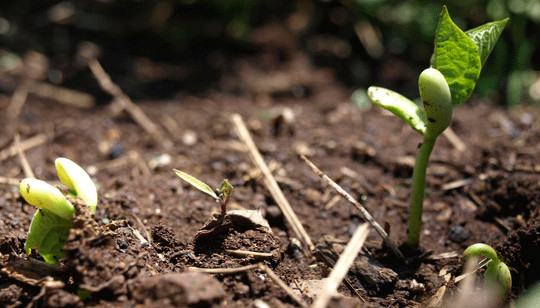 The key to gardening is dirt. If you can grow good dirt now, you can grow good vegetables this spring. And you don’t have to run to the garden store to load up on boxes and bags of stuff to do it if you start early and think of it as a year-round project.
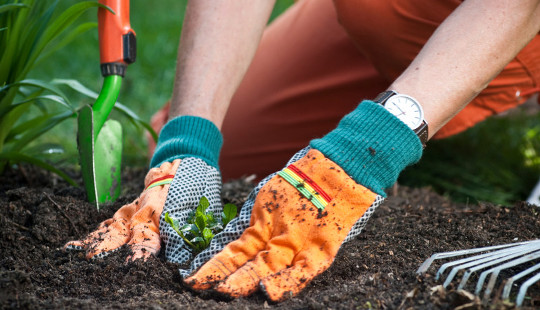 The key characteristic of the loving landscape is healthy, living soils which foster plant and animal health without artificial inputs. Compost, mulch and worms form the holy trinity of organic soil health.
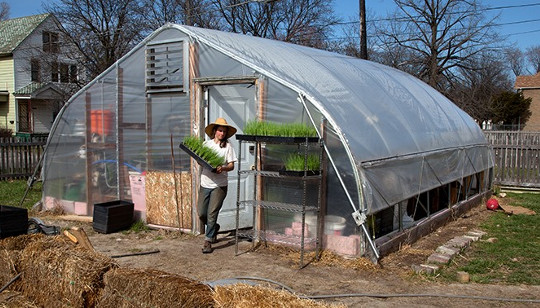 Midway through spring, the nearly bare planting beds of Carolyn Leadley’s Rising Pheasant Farms, in the Poletown neighborhood of Detroit, barely foreshadow the cornucopian abundance to come. It will be many months before Leadley is selling produce from this one-fifth-acre plot.
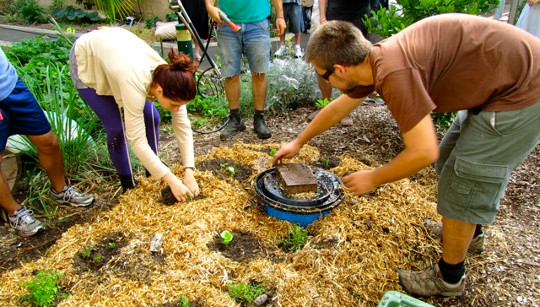 Both compost and mulch foster the life of the soil, and both are important components of the loving landscape. Sometimes they are confused for one another, but they are quite different animals. Compost, which we talked about last week, is more nutrient rich than mulch. It’s full of life, and inoculates soil with that life.
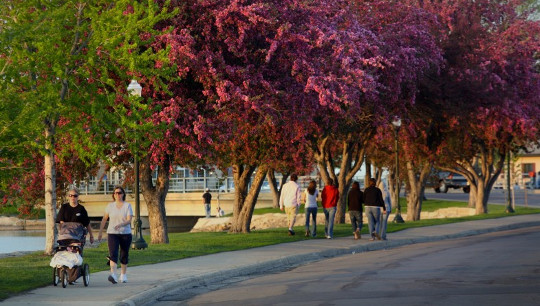 A Latino family strolls leisurely through the park, immersed in conversation. Coming up fast behind is a blonde woman in designer exercise gear and earplugs, intent on maintaining her power-walking pace. Bringing up the rear is a young man with his Husky, both of them staring up at a patch of sun that has appeared from behind the clouds.
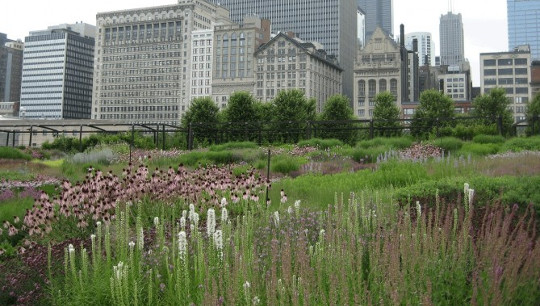 So, let’s say we want to play nice with the rest of nature. Let’s say we want public parks, yards and gardens which exist for more than show, spaces which support a diversity of life, steward our resources wisely and are a joy to the eye. We’ve got to change the existing lifeless paradigm of lawn and hedge and disposable annual flowers.
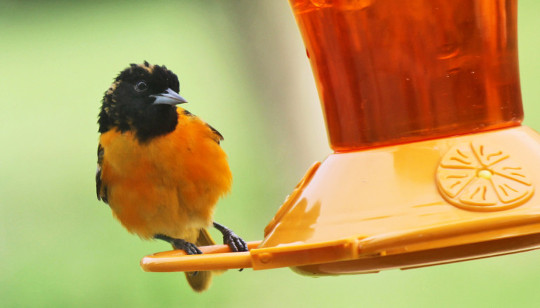 Surprisingly, the diversity of birds in suburban areas can be greater than in forested areas, according to the new book Welcome to Subirdia: Sharing Our Neighborhoods with Wrens, Robins, Woodpeckers, and Other Wildlife (Yale University Press, 2014).
 Common products, including the ones labeled “green,” “all-natural,” “non-toxic,” and “organic,” emit a range of compounds that could harm human health and air quality, according to a new study. But most of these ingredients are not disclosed to consumers.
 A growing body of research suggests some animals may derive medicinal benefit from plant chemistry, and perhaps even seek out these chemicals when sick. Could naturally occurring plant chemicals in flowers be part of a solution to the worrying declines of wild and managed bees?
 Mainstream food outlets tell us that fruit and vegetables are ugly when they are blemished, misshapen (perhaps with an extra appendage or two), or otherwise fail to meet their usual standards. Ugly food is marketed as a way to reduce food waste.
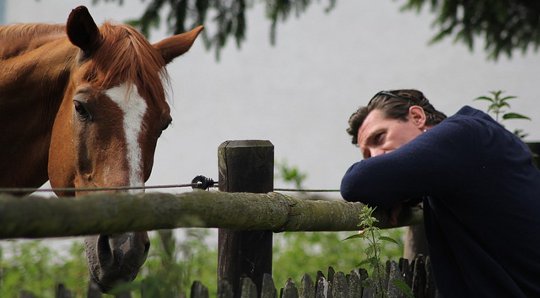 I share the treasure I have received in communicating with horses so that other people may better understand their inner world, and the ways it can help us understand our own. And for those who ride or own horses, I tell this story as another way for you to learn to trust what you hear when your horse needs to speak.
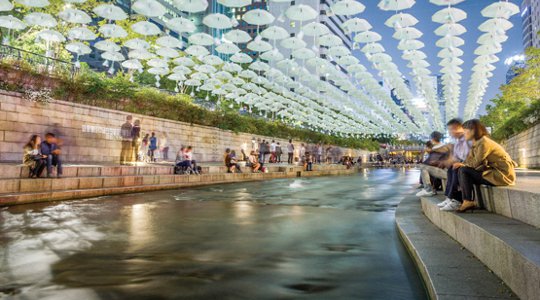 How we will live a few decades from now is anything but clear, despite predictions from our wisest architects, planners, politicians, philosophers, futurists, and science fiction writers. As we reimagine our future cities, we can make room for nature and humanity.
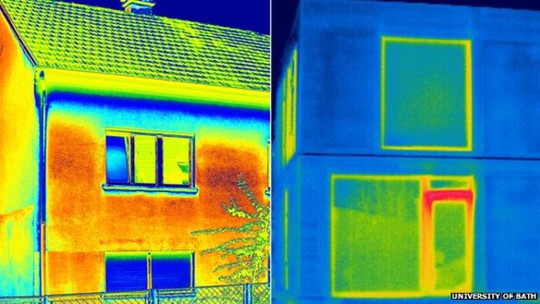 Straw is cheap, good for the environment and an excellent insulator. So why don’t we see more straw houses? Unless we suddenly stop eating bread or cereal it’ll keep being produced anyway, and the excess straw in the UK alone could build a new city each year.
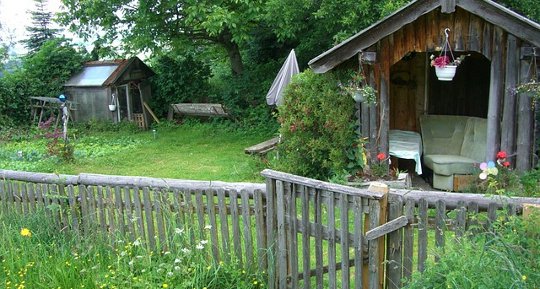 The Posey homestead probably wouldn't strike most Americans as a vision of paradise. We lived on dunes dotted with creosote and mesquite bushes, cactus and yucca. Mostly, the land was bare sand. We had seven or eight inches of total precipitation a year...
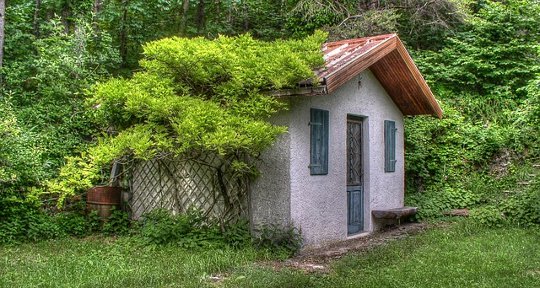 What is a house? I feel this is a dangerous question, which holds within it the seeds of a disruptive innovation, so read on at your own risk. Rethinking what a house is could change your life, and perhaps the world. Let me explain through my own experience.
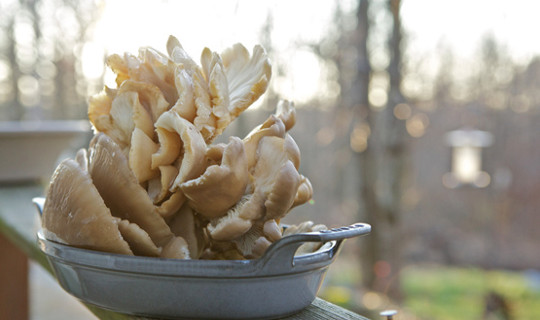
You don't need a garden to grow mushrooms—any cool, shady space will do, even a cupboard or dark corner. It’s fairly easy to grow oyster mushrooms indoors in a bag or a 2-gallon bucket using sawdust or spent coffee grounds as the growing medium.

The way people react to colors is due to a mix of physiological, sociological and spiritual factors. What works in one society does not always work in another. Likewise, the knowledge that has come out of the mystery schools often needs to be adjusted to apply to modern tastes.
The quest for happiness often leads to frustration, as many fail to realize that the...

Reaching sixty can evoke complex emotions, blending relief with ongoing ambition. This...

The quest for life's purpose often leads to unsatisfactory answers. This article...

Romantic love is a complex emotion shaped by historical, cultural, and biological...

Imagine going through one of the most physically and emotionally demanding experiences...

Daily actions often conflict with personal beliefs due to past experiences. By utilizing...

Have you ever argued over something that wasn't actually said? From cultural differences...

Therapists often use dream interpretation to delve into patients' emotions, but true...