







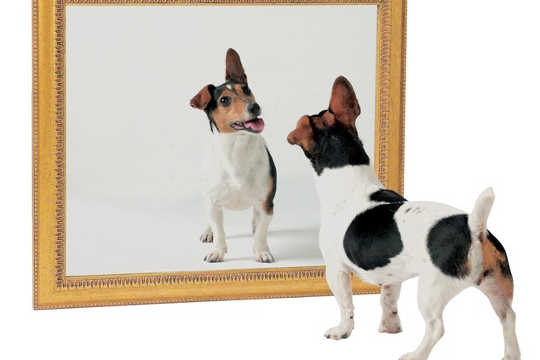
Recent research reveals that dog personalities can change significantly over time, influenced by their owners' behaviors and interactions. Factors such as training, environment, and the owners' own personalities play crucial roles in shaping how dogs behave and relate to their humans, highlighting the bond between dogs and their owners.
In This Article
- What factors lead to changes in dog personalities?
- How do owner behaviors affect dog traits?
- What is the optimal age for training dogs?
- How can understanding dog personalities improve relationships?
- What limitations exist in changing a dog's personality?
Like humans, dogs’ personalities likely change over time, according to new research.
When dog owners spend extra time scratching their dogs’ bellies, take their dogs out for long walks and games of fetch, or even when they feel constant frustration over their dogs’ naughty chewing habits, they are gradually shaping their pets’ personalities. Dogs, like people, have moods and personality traits that shape how they react in certain situations.
“When humans go through big changes in life, their personality traits can change. We found that this also happens with dogs—and to a surprisingly large degree,” says lead author William Chopik, professor of psychology at Michigan State University and lead author of the study, which appears in the Journal of Research in Personality.
“We expected the dogs’ personalities to be fairly stable because they don’t have wild lifestyle changes humans do, but they actually change a lot. We uncovered similarities to their owners, the optimal time for training and even a time in their lives that they can get more aggressive toward other animals.”
Additionally, Chopik found that dogs’ personalities can predict many important life outcomes. For example, canines’ personalities will influence how close they feel to their owners, biting behavior, and even chronic illness.
Dogs and their owners
Chopik surveyed owners of more than 1,600 dogs, including 50 different breeds. Dogs ranged from just a few weeks old to 15 years, and split closely between male and female. The extensive survey had owners evaluate their dog’s personalities and answered questions about the dog’s behavioral history. The owners also answered a survey about their own personalities.
“We found correlations in three main areas: age and personality, in human-to-dog personality similarities, and in the influence a dog’s personality has on the quality of its relationship with its owner,” Chopik says.
“Older dogs are much harder to train; we found that the ‘sweet spot’ for teaching a dog obedience is around the age of six, when it outgrows its excitable puppy stage but before its too set in its ways.”
One trait that rarely changes with age in dogs, Chopik says, is fear and anxiety.
Homing in on the saying, “dogs resemble their owners,” Chopik’s research showed dogs and owners share specific personality traits. Extroverted humans rated their dogs as more excitable and active, while owners high in negative emotions rated their dogs as more fearful, active, and less responsive to training. Owners who rated themselves as agreeable rated their dogs as less fearful and less aggressive to people and animals.
The owners who felt happiest about their relationships with their dogs reported active and excitable dogs, as well as dogs who were most responsive to training. Aggression and anxiety didn’t matter as much in having a happy relationship, Chopik says.
“There are a lot of things we can do with dogs—like obedience classes and training—that we can’t do with people,” he says. “Exposure to obedience classes was associated with more positive personality traits across the dog’s lifespan. This gives us exciting opportunities to examine why personality changes in all sorts of animals.”
Nature vs. nurture
Chopik’s findings prove how much power humans have over influencing a dog’s personality. He explains that many of the reasons a dog’s personality changes result from of the “nature versus nurture” theory associated with humans’ personalities.
Next, Chopik’s will research will examine how the environment owners provide their dogs might change the dogs’ behavior.
“Say you adopt a dog from a shelter. Some traits are likely tied to biology and resistant to change, but you then put it in a new environment where it’s loved, walked, and entertained often. The dog then might become a little more relaxed and sociable,” Chopik says.
“Now that we know dogs’ personalities can change, next we want to make strong connection to understand why dogs act—and change—the way they do.”
About the Author
Source: Michigan State University
Further Reading
-
The Other End of the Leash: Why We Do What We Do Around Dogs
Patricia McConnell explores the complex relationship between dogs and humans, showing how our behavior, emotions, and communication styles influence canine behavior. The book offers valuable insights into why dogs respond differently to different people and environments.
Amazon: https://www.amazon.com/exec/obidos/ASIN/034544678X/innerselfcom
-
Inside of a Dog: What Dogs See, Smell, and Know
Alexandra Horowitz examines the world from a dog's perspective, drawing on behavioral science and cognition research. Readers gain a deeper understanding of how dogs experience their surroundings and how those experiences can shape behavior over time.
Amazon: https://www.amazon.com/exec/obidos/ASIN/1416583432/innerselfcom
-
The Genius of Dogs: How Dogs Are Smarter than You Think
This book explores the intelligence, adaptability, and social awareness of dogs through scientific research and engaging examples. It highlights how canine behavior develops through a combination of genetics, learning, and interaction with humans.
Amazon: https://www.amazon.com/exec/obidos/ASIN/0452299354/innerselfcom
Article Recap
Dog personalities are malleable and can be shaped by owner interactions and training. Understanding this can enhance the human-animal bond, but it's essential to recognize that some traits may be more resistant to change.
#InnerSelfcom #DogTraining #PetBehavior #AnimalPsychology #HumanAnimalBond #DogPersonality







