








Forgiveness is more than letting go of anger. It is a powerful act that heals emotional wounds, transforms relationships, and opens the door to inner peace and lasting happiness.
In This Article:
- How forgiveness heals both relationships and the self
- What World War II reveals about human vulnerability and compassion
- Why understanding does not mean agreeing
- How emotional wounds are passed through generations
- Why forgiveness is essential for true happiness and inner peace
I've just finished listening to the book "Saving My Enemy" by Bob Welch. The story revolves around two World War II veterans, one German and the other American, who fought in some of the same battles in Europe, on opposite sides. They were not even 21 at the time. They met, much later in life, and forged a bond of friendship and healing based on their common experiences and on forgiveness, not only of the other but of self.
This book was an eye-opener for me, not just in the realm of personal growth and forgiveness, but also in the realm of history repeating itself. While my university minor was history, I've shied away from the history of World War II. Perhaps I felt a thread of shame connect me to the happenings of World War II due to my German heritage.
Even though my great-grand-grandfather was born in Canada in the century preceding both World War I and World War II, after listening to this book, I realized that the part of my genetics and heritage that stemmed from Germany resisted looking too closely at the actions of the German people leading up to and during World War II. After all, Germans were partially “my people” too.
And yet, as I listened to the parallel stories of these two young men, I could not help but reflect not only on history, but on humanity itself and on the choices people make when they long to belong, to matter, and to protect what they've been taught to believe is right.
Role Models Come in All Forms
In the book, the life of a German youth who longs to emulate and belong to Hitler’s organization unfolds alongside the life of an American boy from Oregon who wants to protect freedom and democracy in the world. Both are driven by ideals. Both believe they are serving something noble. Both are convinced that their vision of the future is the correct one. Both committed acts they later regretted and felt deeply ashamed of.
In the same way the two main characters of the book had their heart set on what they considered an ideal society or ideal way to live in that society, we too have our own perspectives on life. And our views can be completely opposite to someone else’s. Yet both "sides" might be 100% invested in the correctness of their vision.
Perhaps understanding that fact can make it easier to step back from judgment and move toward understanding and forgiveness. Not agreement necessarily, and certainly not approval of harmful actions, but understanding of the forces that shape people’s beliefs, fears, loyalties, and choices.
The School of History
History repeatedly shows that human beings are vulnerable to fear, propaganda, nationalism, and the desire to belong to something larger than themselves, whether through family, politics, religion, or other organizations.
We might like to believe that only “other people” could be swept into destructive movements and actions, but history tells us otherwise. Ordinary people, loving parents, hard workers, idealistic youth, and patriotic citizens can all become participants in systems that later generations look upon with horror.
That is one of the uncomfortable lessons of World War II. Evil rarely announces itself as evil. More often, it disguises itself as patriotism, security, righteousness, morality, or even destiny. And because life moves in cycles, the world today contains many echoes of the past.
We Are All Human
When we stop seeing others (and ourselves) as indivuals, and instead see only labels, ideologies, political parties, religions, races, or nationalities, compassion slowly disappears. And once compassion disappears, almost anything can be justified and defended as "right".
Hatred breeds hatred. Fear breeds fear. Violence breeds violence. However, forgiveness creates the possibility of something entirely different. It opens a doorway where none seemed possible before.
And forgiveness also asks something difficult of us: humility. Humility to recognize that, under certain circumstances, any society can lose its way. Any person can become consumed by fear. Any individual can be manipulated by propaganda, tribal loyalty, or the desire to belong.
History is not only a record of “them.” It is also a mirror for “us.” That realization can feel uncomfortable. Yet it may also be liberating.
Once we acknowledge our shared human vulnerability, we can become more compassionate, more aware. The older I get, the more I realize that life is less about being “right” and more about being conscious. Conscious of our thoughts, our beliefs, our fears, our judgments, and the stories we tell ourselves about other people.
Forgiveness helps loosen the grip of those stories. It allows us to stop reliving the past long enough to create a different future.
Compassion Starts with Us
The story in Saving My Enemy reminded me that healing and forgiveness don't begin at the political level. They begin at the human level. One conversation. One act of understanding. One willingness to see beyond old identities and inherited hatred and beliefs.
Forgiveness does not erase accountability. The atrocities of war remain atrocities. The suffering remains real. But forgiveness prevents the pain of hatred from becoming a permanent inheritance passed from one generation to the next.
Perhaps that is one of the reasons forgiveness is so powerful. It interrupts the cycle.
Forgiveness may be one of the highest forms of strength humanity possesses. Forgiveness not only heals the situation or energy between two people, but it also heals the persons themselves and their descendants.
Generational Healing
What the children of both Don and Fritz discovered after their fathers met, forgave each other, and became friends is that their fathers’ behavior changed immensely. As soon as they were able to drop the burden of shame and guilt that they had been carrying concerning their wartime actions, their hearts were able to open to themselves and to others.
It is difficult to love freely when part of your spirit is imprisoned by the past. Shame, blame, and judgment have a way of hardening people. They can create emotional walls so thick that even those closest to us cannot reach through them.
Sometimes people who appear cold, angry, distant, controlling, or emotionally unavailable are simply carrying wounds they have never forgiven -- either in others or in themselves. Unresolved pain rarely stays contained within one person. It spills outward into families, relationships, workplaces, and even entire societies.
Resentment, anger, and blame not only create a barrier keeping us trapped behind a wall, but they also keep others out and stop love, joy, and harmony from flowing in either direction. Carrying anger and judgment, whether towards ourselves or towards others, is like having a locked door blocking the entrance to a better future, a happier future, and a more loving one.
Many people think forgiveness is something we do for someone else. Yet often the greatest gift of forgiveness is the freedom it gives to the one doing the forgiving.
The Burdens We Carry
Bitterness is heavy. Hatred is exhausting. And guilt, especially guilt buried for decades, quietly drains life from the soul.
When Don and Fritz finally released those old burdens, something inside them softened. Their children noticed it. The atmosphere around them changed. There was more openness, more warmth, laughter, and peace. It was as though forgiveness had opened up rooms inside themselves that had been sealed shut since the war.
Perhaps many of us carry similar locked rooms within our own hearts. Not necessarily from a war, but from childhood wounds, broken relationships, betrayals, addictions, family trauma, or generations of unresolved pain passed silently from parent to child.
Sometimes we inherit fear, anger, shame, or emotional patterns without even realizing where they began. Families unknowingly pass emotional wounds through generations in the same way they pass down eye color or facial features.
One generation buries its pain. The next generation lives with the emotional consequences of that buried pain. And unless someone becomes conscious enough to interrupt the cycle, it simply continues.
Forgiveness Matters Deeply
Forgiveness does not erase what took place, but it changes our relationship with the past and the present. It clears the emotional debris that blocks true happiness. Instead of remaining chained to old pain, we begin creating space for compassion, understanding, and peace to enter.
Forgiveness is essential if you desire to be truly happy. Clearing the slate of those old energies, whether for yourself or for generations that came before, allows something new to emerge. Whether we are talking about abuse, addiction, anger issues, prejudice, fear, or inherited judgment and shame, compassion and forgiveness clear the way and create a new path, or at the very least allow a new path to become possible.
And perhaps that is one of the greatest acts of healing we can offer both ourselves and the generations that follow us. Not perfection. Not denial. But the courage to finally put down what no longer needs to be carried. And to discover the ability to face the truth of our current existence and of our shared future.
About The Author
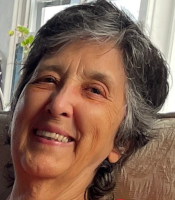 Marie T. Russell is the founder of InnerSelf Magazine (founded 1985). She also produced and hosted a weekly South Florida radio broadcast, Inner Power, from 1992-1995 which focused on themes such as self-esteem, personal empowerment, and well-being. Her articles focus on transformation and reconnecting with our own inner source of joy and creativity.
Creative Commons 3.0: This article is licensed under a Creative Commons Attribution-Share Alike 4.0 License. Attribute the author: Marie T. Russell, InnerSelf.com. Link back to the article: This article originally appeared on InnerSelf.com
Recommended Books:
* Saving My Enemy: How Two WWII Soldiers Fought Against Each Other and Later Forged a Friendship That Saved Their Lives
by Bob Welch
This remarkable true story follows two young soldiers on opposite sides of World War II, one American and one German, whose lives become forever intertwined through war, guilt, healing, and ultimately forgiveness. Decades after fighting in the same battles, Don Malarkey and Fritz Engelbert forge an unlikely friendship that transforms not only their own lives, but the lives of their families. A powerful reflection on humanity, compassion, and the healing power of forgiveness.
For more information, reviews, and ordering options:
https://www.amazon.com/dp/1684513030/?tag=innerselfcom
* The Book of Forgiving: The Fourfold Path for Healing Ourselves and Our World
by Desmond Tutu and Mpho Tutu
Written by Archbishop Desmond Tutu and his daughter Mpho, this inspiring book explores forgiveness as both a spiritual and practical path toward healing. Drawing on personal stories, the Truth and Reconciliation process in South Africa, and deep human wisdom, the authors present forgiveness not as weakness, but as liberation from pain, resentment, and suffering. A compassionate guide for anyone seeking emotional healing and inner peace.
For more information, reviews, and ordering options:
https://www.amazon.com/dp/0062203568/?tag=innerselfcom
* Forgive for Good: A Proven Prescription for Health and Happiness
by Fred Luskin
Based on years of research at Stanford University, Fred Luskin’s groundbreaking book examines the emotional and physical benefits of forgiveness. Combining psychology, practical exercises, and real-life examples, the book offers tools for releasing resentment, reducing stress, and reclaiming emotional freedom. Especially helpful for readers who want a grounded, accessible approach to forgiveness and healing.
For more information, reviews, and ordering options:
https://www.amazon.com/dp/0062517201/?tag=innerselfcom
Support InnerSelf and shop using our Amazon affiliate link:
https://www.amazon.com/?tag=innerselfcom
Article Recap:
Forgiveness is a transformative act that heals both the individual and their relationships. By releasing guilt, shame, and resentment, we create space for compassion, healing, and a more peaceful future.
#forgiveness #healing #innerpeace #selfgrowth #lettinggo
#emotionalhealing #personaldevelopment #mindfulness #compassion #wellbeing







