
Happiness & Success
Achieving Happiness Through Acceptance of Life
The quest for happiness often leads to frustration, as many fail to realize that the...








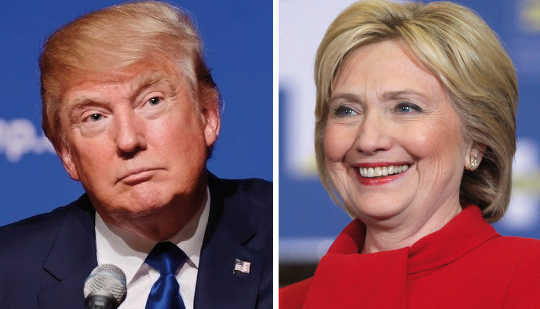 In a US presidential election year, Labor Day (the first Monday of September) marks the traditional start of what the Americans call the “fall campaign”.
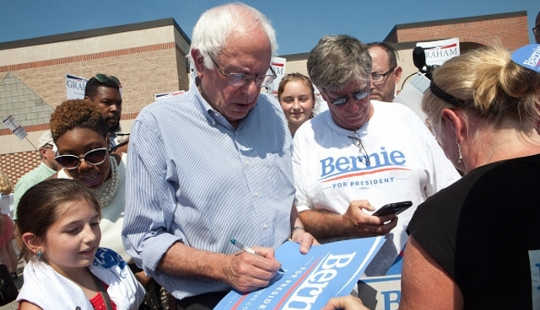 From Washington state to South Dakota, voters are pushing for public-matching systems to replace the influence wealthy bankrollers have on government.
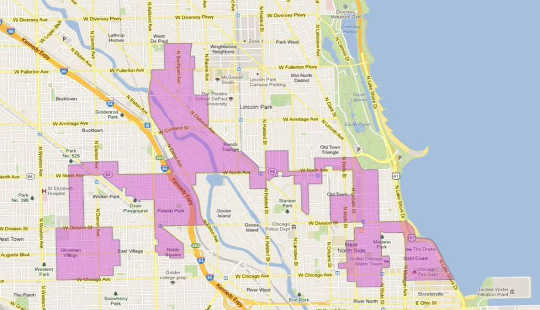 Hillary Clinton has put the Electoral College into checkmate. She’s closer to Donald Trump in many red states like Kansas and Texas than he is to her in key swing states.
 On Election Day, what do you do if you were a die-hard Bernie Sanders fan and are now faced with a ballot that offers you a choice between Hillary Clinton and Donald Trump, whose favorability ratings are the worst among presidential candidates since CBS News and The New York Times started polling in 1984?
 There is a real possibility that hacking could affect the November presidential election, warns Herbert Lin, a cyberpolicy and security expert at Stanford University warns. But, he adds, a “baseline of hacking” among countries worldwide is occurring all the time.
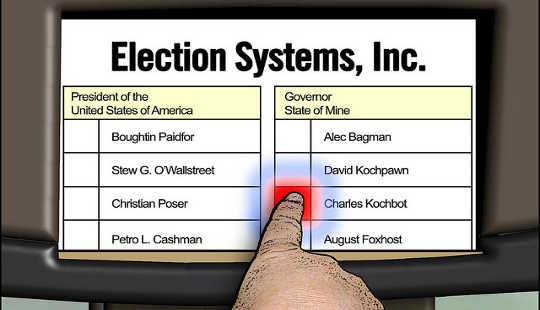 Many have speculated how a Trump victory would affect the U.S., but few have thought about the consequences of a Trump loss. After falling behind Hillary Clinton in the polls, Donald Trump has already developed a narrative for his exit: The election was rigged.
 Because a single powerful leader will draw from the rest of us powerful projections ranging from savior to devil, from healer to destroyer, I have long been interested, as a psychiatrist and Jungian psychoanalyst, in the relationship between politics, mythology and psychology. For people like me, this is our year.
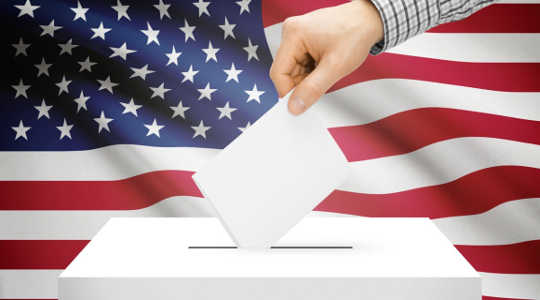 Every election cycle, there are citizens who don’t like either of the candidates nominated by the two major political parties.
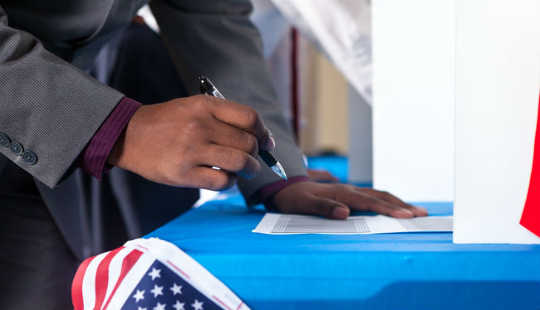 “The Federal District and Appeals Courts are willing to do what the Supreme Court wouldn’t do, which is acknowledge the reality that racial discrimination in voting persists today.”
If Senate Republicans are true to their word, the next president of the United States will nominate Justice Antonin Scalia’s replacement. Given the age of several other members of the Supreme Court and rumors of others’ retirement, it is likely the next president will make as many as four nominations.
 Supporters of Donald Trump’s campaign have recently employed an unorthodox tactic to secure additional votes in Pennsylvania and Ohio – forming a super PAC to mobilize Amish voters.
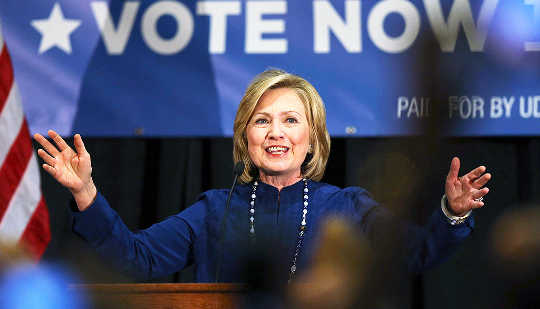 In her speech accepting the Democratic nomination, Hillary Clinton said the nation was at “a moment of reckoning.”
 Following the hack of Democratic National Committee emails and reports of a new cyberattack against the Democratic Congressional Campaign Committee, worries abound that foreign nations may be clandestinely involved in the 2016 American presidential campaign.
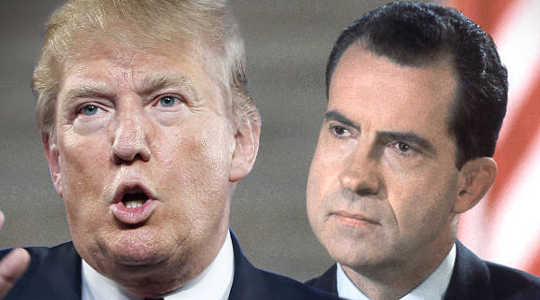 Donald Trump is not a normal American presidential nominee, and there has been very little normal about the Republican convention that has now officially confirmed his nomination.
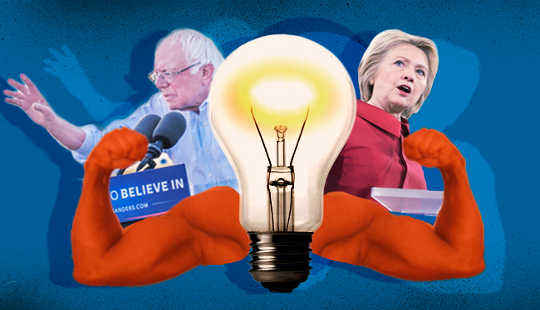 Bernie Sanders has the best policies. But Hillary Clinton has the chops to advance a progressive agenda—if we make her.
 Does Hillary Clinton understand that the biggest divide in American politics is no longer between the right and the left, but between the anti-establishment and the establishment?
 Donald Trump is now the Republican nominee for president of the United States and millions of people are asking: “How could this happen?”Donald Trump is now the Republican nominee for president of the United States and millions of people are asking: “How could this happen?”
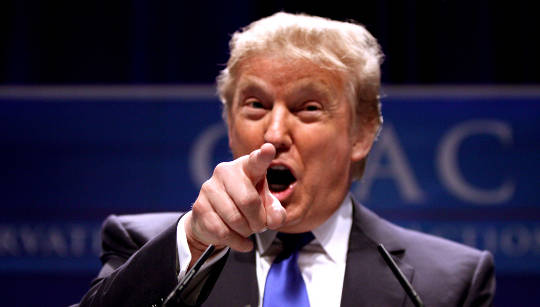 Since the election of George W. Bush, I have been telling anyone who would listen that the 21st-century Republican Party was unlike any other centre-right political party.
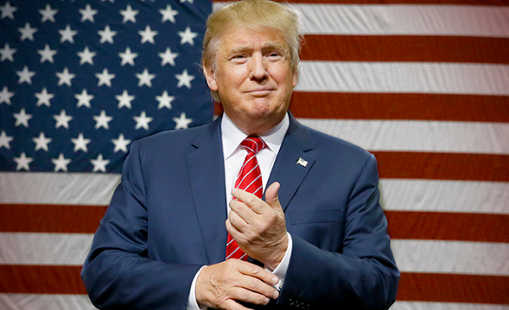 Donald Trump accepted the Republican nomination for the presidency in a speech destined to be remembered by history as the “I am your voice” speech – a phrase that Trump repeated several times to tie together his themes of economic revitalization, military strength and government honesty.
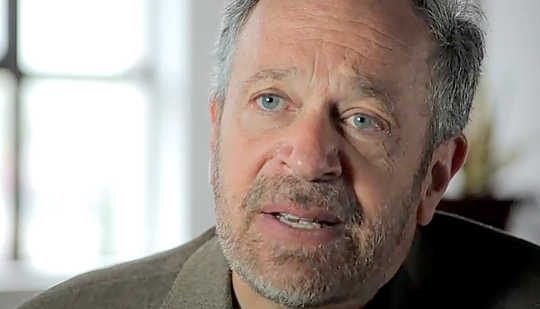 Hillary Clinton’s 6-point lead over Donald Trump in last month’s CBS News poll has now evaporated. As of mid-July (even before Trump enjoys a predictable post-convention bump in the polls) she is tied with him. Each garners the support of 40 percent of voters.
 If we listen carefully to Trump’s supporters, we can hear their desire for progressive policies.
The quest for happiness often leads to frustration, as many fail to realize that the...

Reaching sixty can evoke complex emotions, blending relief with ongoing ambition. This...

The quest for life's purpose often leads to unsatisfactory answers. This article...

Romantic love is a complex emotion shaped by historical, cultural, and biological...

Imagine going through one of the most physically and emotionally demanding experiences...

Have you ever argued over something that wasn't actually said? From cultural differences...

Daily actions often conflict with personal beliefs due to past experiences. By utilizing...

Therapists often use dream interpretation to delve into patients' emotions, but true...