
Happiness & Success
Achieving Happiness Through Acceptance of Life
The quest for happiness often leads to frustration, as many fail to realize that the...








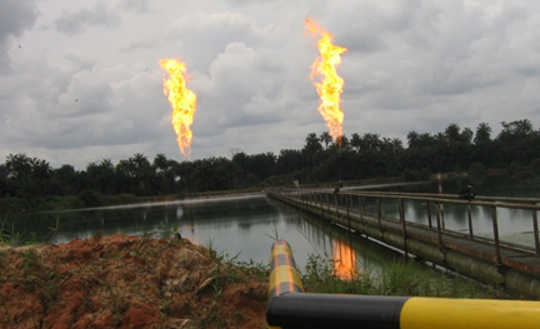
The burning of unwanted gas associated with oil production—called “flaring”—remains the most carbon-intensive part of producing oil, according to a new analysis.
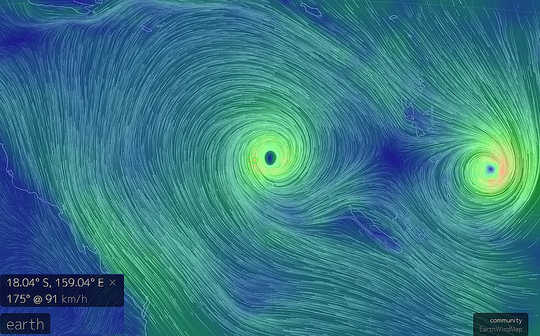
Cyclone Winston struck Fiji on February 20, 2016, leaving a trail of destruction. Winston was a Category 5 cyclone (the strongest rating) with reported wind speeds of almost 300 km per hour. This made it among the strongest cyclones ever to make landfall globally, and the and the strongest recorded in the Southern Hemisphere.
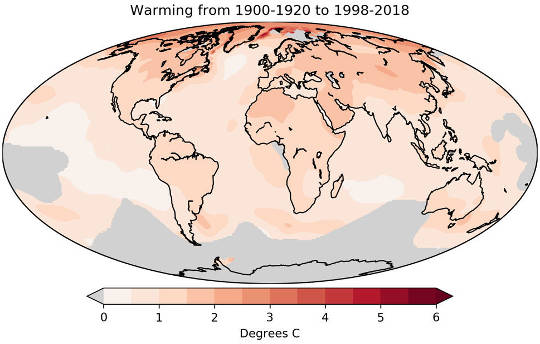
As part of the Paris Agreement on climate change, the international community committed in 2015 to limit rising global temperatures to “well below” 2C by the end of the 21st century and to “pursue efforts to limit the temperature increase even further to 1.5C”.
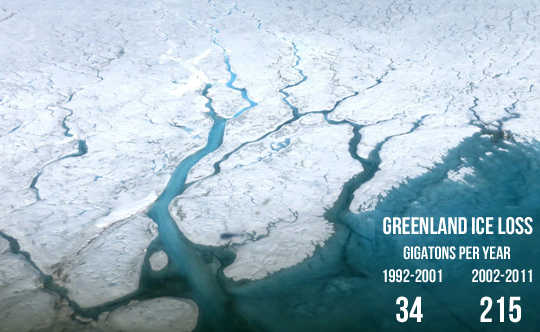
Persistent weather conditions, including dry and wet spells, that have increased in the United States may be a result of rapid Arctic warming, according to a new study.

Two generations of Australians, Generations X and Y, say climate change is their number one cause for concern, according to a new report. Contrary to stereotypes of young generations being narcissistic or complacent, researchers say both groups are united in concerns about the future of the environment.
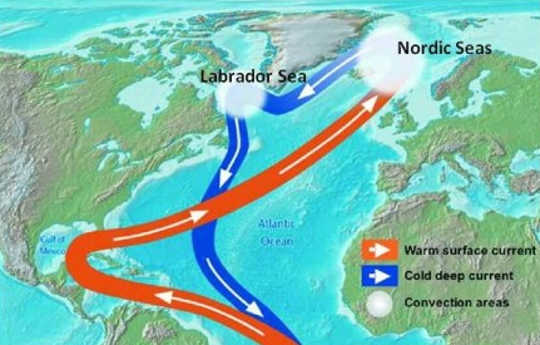 Global warming isn’t the cause of slowdown in a huge circulation pattern in the Atlantic Ocean, which is, in fact, part of regular, decades-long cycle that will affect temperatures in coming decades, according to a new study.
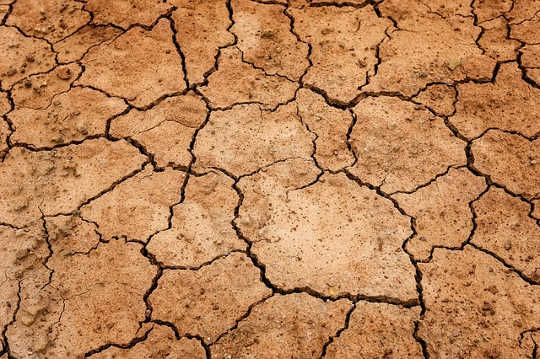
New research asks a big question: Is there such a thing as a sustainable civilization, perhaps one that lies far beyond our own galaxy? Or are all civilizations doomed to destroy themselves?

I am afraid my message is going to be controversial. You see, I think there are deep problems with the standard climate change narrative, which has equated "green" with carbon reduction.
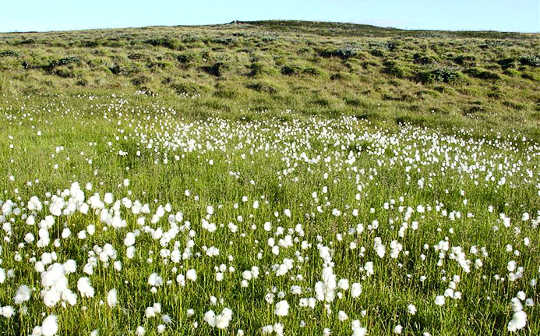
For every 10 degrees north from the equator you move, spring arrives about four days earlier than it did a decade ago, a new study suggests.
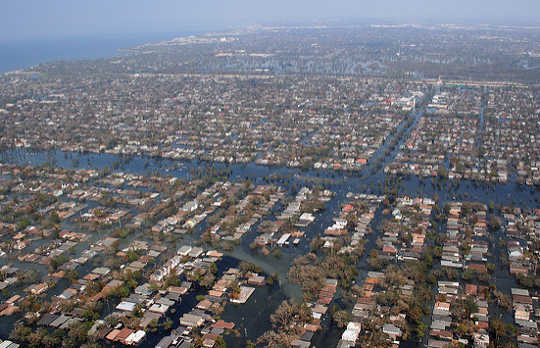
Over the last 30 years, floods have killed more than 500,000 people globally, and displaced about 650m more. In a paper published by the Centre for Economic Performance, we examined why so many people are hit by devastating floods.
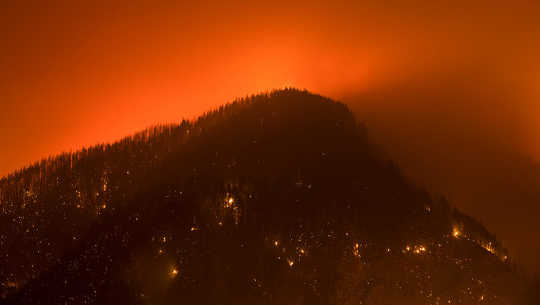 When fires, floods and other major disruptions alter natural areas, our first instinct is to restore what’s lost. But moving forward may mean leaving some treasured things behind.
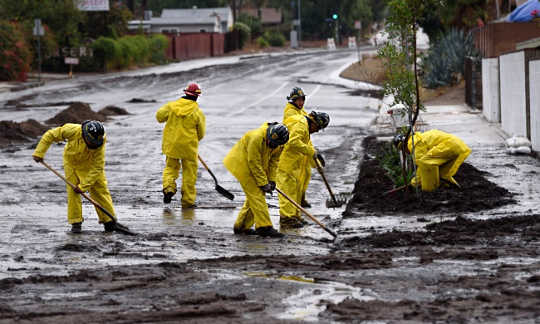
The Trump administration, and its allies in Congress, are fighting a losing war. They continue to press forward for the development of oil, gas, and coal when the rest of the world understands the implication of that folly. Global warming is the most pressing issue for our time.
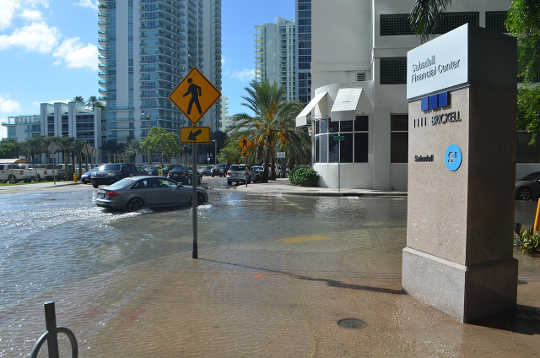 Many scientists have found evidence that climate change is amplifying the impacts of hurricanes. For example, several studies just published in December 2017 conclude that human-induced climate change made rainfall during Hurricane Harvey more intense. But climate change is not the only factor making hurricanes more damaging.
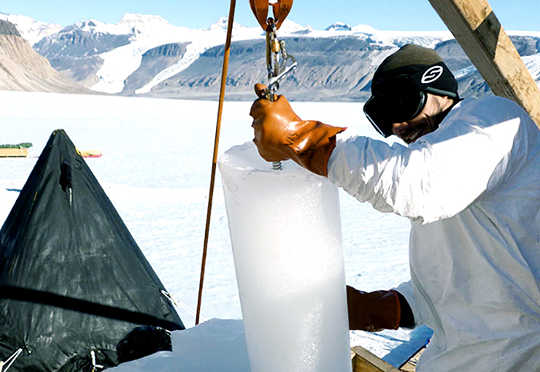 Humans are probably contributing more methane to the atmosphere through fossil fuel use and extraction than scientists previously believed, report researchers.
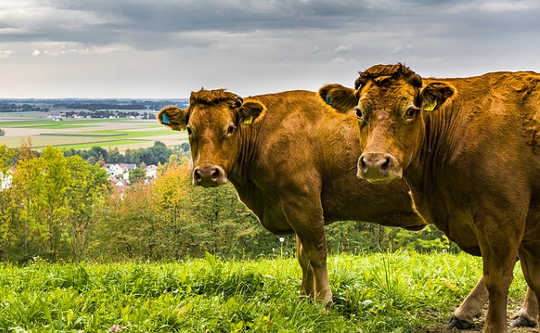 Some aspects of climate change could benefit certain forms of agriculture in the Northeastern United States, new research suggests—though the researchers caution that there are many variables in the future scenario they envision.
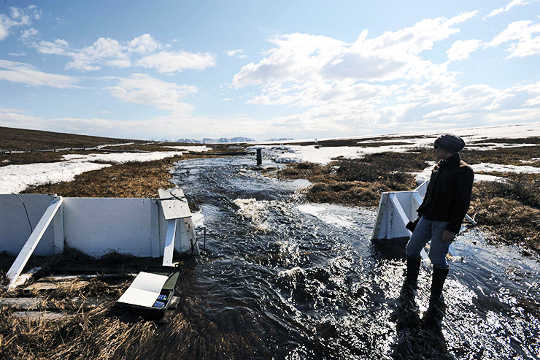
Microbes in permafrost that eat sun-weakened carbon and convert it into carbon dioxide may be providing a major pathway for the greenhouse gas to enter the atmosphere, new research suggests.
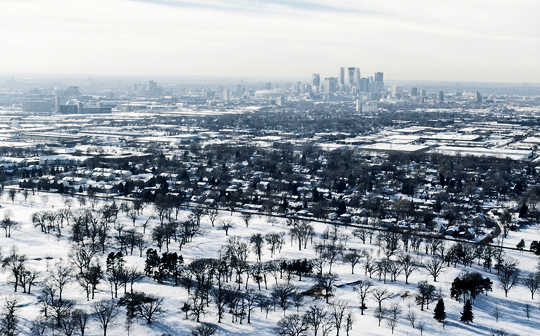 A new study outlines some of the effects that climate change will have on northern cities with cold climates, including in Europe and the North America.
 What we believe and how we act don’t always stack up. Recently, in considering what it means to live in a post-truth world, I had cause to examine my understanding of how the world works and my actions on sustainability.
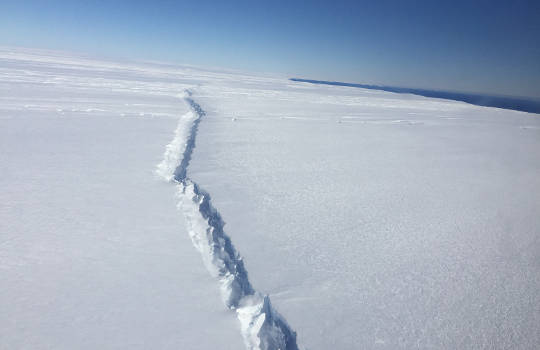 One of the largest icebergs ever recorded has just broken away from the Larsen C Ice Shelf in Antarctica.
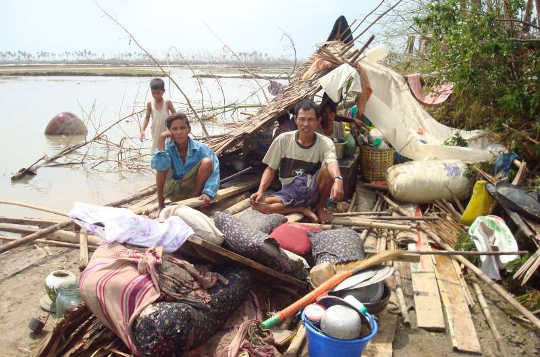 In the year 2100, 2 billion people—about one-fifth of the world’s population—could become refugees due to rising ocean levels.
 The hottest year on record was 2016. It was also the year scientists advised that Earth’s citizens were now living in the Anthropocene Epoch.
The quest for happiness often leads to frustration, as many fail to realize that the...

Reaching sixty can evoke complex emotions, blending relief with ongoing ambition. This...

The quest for life's purpose often leads to unsatisfactory answers. This article...

Romantic love is a complex emotion shaped by historical, cultural, and biological...

Imagine going through one of the most physically and emotionally demanding experiences...

Daily actions often conflict with personal beliefs due to past experiences. By utilizing...

Have you ever argued over something that wasn't actually said? From cultural differences...

Therapists often use dream interpretation to delve into patients' emotions, but true...