



















Happiness & Success
Achieving Happiness Through Acceptance of Life
The quest for happiness often leads to frustration, as many fail to realize that the...

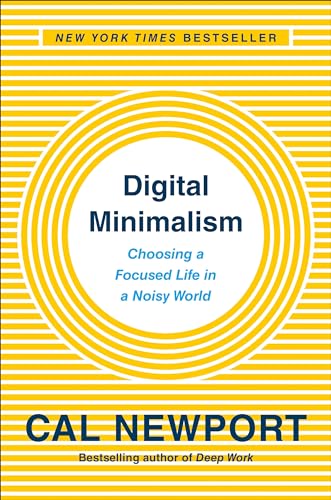
Modern professionals face an unprecedented challenge: the constant pull of digital technology that fragments attention, diminishes focus, and undermines the deep work required for career advancement and meaningful accomplishment. Smartphones buzz with notifications, social media feeds scroll endlessly, and the always-on culture of contemporary work life leaves little room for the concentrated effort that builds expertise and creates value in the marketplace.
This exploration of intentional technology use presents a philosophy and practical framework for reclaiming control over digital tools rather than being controlled by them. The core premise challenges the assumption that we must accept technology on the terms dictated by app designers and platform creators. Instead, it advocates for a deliberate approach where technology serves clearly defined values and professional objectives rather than operating as an ambient presence that consumes time and attention.
The philosophy outlined here rests on the principle that less can indeed be more when it comes to digital engagement. Rather than trying to moderate usage through willpower alone or implementing minor tweaks like turning off notifications, the approach calls for a more radical rethinking of our relationship with technology. This means starting from a blank slate and only allowing technologies back into your life if they demonstrably and substantially support things you deeply value.
Read more ▼
Carl Rhodes
Tony Schwartz

Suze Orman
The quest for happiness often leads to frustration, as many fail to realize that the...

Reaching sixty can evoke complex emotions, blending relief with ongoing ambition. This...

The quest for life's purpose often leads to unsatisfactory answers. This article...

Romantic love is a complex emotion shaped by historical, cultural, and biological...

Imagine going through one of the most physically and emotionally demanding experiences...

Have you ever argued over something that wasn't actually said? From cultural differences...

Daily actions often conflict with personal beliefs due to past experiences. By utilizing...

Therapists often use dream interpretation to delve into patients' emotions, but true...