





Life has a way of shattering us when we least expect it. Trauma, loss, disappointment, and unforeseen circumstances can leave us feeling broken into countless pieces, unsure of how we'll ever become whole again. Yet within this fragmentation lies an extraordinary opportunity for transformation and healing. This profound exploration of resilience and reconstruction offers readers a compassionate guide through the darkness that follows life's most challenging moments, illuminating a path toward genuine integration and inner peace.
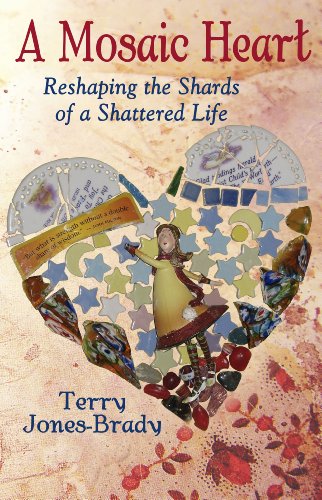
The journey through these pages begins with an honest acknowledgment of human vulnerability. Rather than bypassing the pain of life's difficulties, this work invites readers to sit with their own fractured experiences and examine them with curiosity rather than judgment. The metaphor of a mosaic becomes the central organizing principle—just as an artist takes broken glass and transforms it into something beautiful and intentional, we too can reshape the shards of our broken experiences into a more authentic and meaningful existence.
Throughout this exploration, readers will encounter the psychological and spiritual dimensions of healing. The work addresses how trauma lodges itself in our consciousness and bodies, how we unconsciously build defensive structures to protect ourselves, and how these very protections can paradoxically keep us fragmented and disconnected from our true selves. By understanding these patterns, readers gain insight into why they've responded to life's challenges in particular ways and begin to see that these responses, while protective, may no longer serve their highest good.
One of the most valuable aspects of this journey is learning how to honor what has broken us rather than simply trying to move past it. The healing process outlined here doesn't advocate for forgetting or minimizing pain, but rather for integrating these experiences into a larger narrative of personal growth and wisdom. Readers will discover that the cracks in our foundation don't have to become our limitations—they can become the very places where light enters our lives and where our greatest strength emerges.
The work explores the role of self-awareness in reconstruction. Through thoughtful examination of beliefs, values, and life patterns, readers develop a clearer understanding of who they are beneath the trauma and what their authentic self actually desires. This self-knowledge becomes the foundation upon which a more intentional and fulfilling life can be built. Rather than unconsciously reconstructing the same patterns that led to fragmentation, readers learn to make conscious choices about how they want to reshape themselves.
Spirituality weaves throughout this exploration, though not in a dogmatic or prescriptive way. Instead, readers are invited to consider their own relationship with meaning, purpose, and connection—whether that emerges through religious faith, nature, creativity, relationships, or personal philosophy. The healing of a shattered life often requires reconnection with something larger than ourselves, something that infuses our experience with purpose and hope.
The practical dimension of this work proves equally important. Readers will discover specific approaches and frameworks for processing difficult emotions, changing limiting thought patterns, and building new habits that support wholeness. These aren't abstract concepts but actionable insights that can be implemented in daily life.
What makes this exploration particularly relevant is its recognition that brokenness is a nearly universal human experience. Whether facing illness, relationship loss, professional failure, or identity crisis, readers will find validation and wisdom. By understanding their fragmentation not as permanent damage but as raw material for conscious reconstruction, individuals gain permission to view their struggles as catalysts for becoming more authentically themselves.
This transformative guide ultimately offers hope rooted in realism. It doesn't promise that pain will disappear or that life will become effortless. Instead, it demonstrates that wholeness doesn't mean returning to a previous state—it means becoming something new, something shaped by intention and wisdom rather than circumstance and reaction. Through this lens, every shard of our broken lives holds potential for creating something genuinely beautiful.