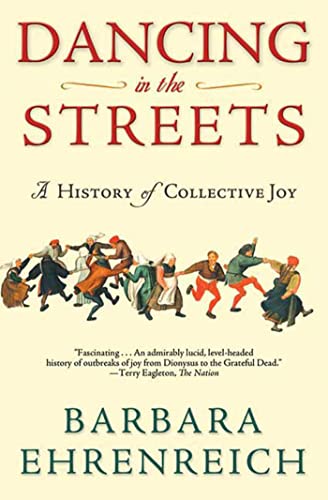














Discover how the human capacity for ecstatic celebration has been systematically suppressed and learn why reclaiming this vital force is essential for personal and social transformation. This exploration reveals a forgotten history of collective dancing, celebration, and spontaneous joy that once defined human culture across civilizations, and shows why reconnecting with these impulses matters profoundly for your well-being and society's future.
Most of us have been taught that respectable, productive citizens maintain control, stay focused, and avoid excessive displays of emotion or physical exuberance. We've internalized messages that spontaneous celebration is frivolous, that dancing in the streets is dangerous or undignified, and that collective joy is something to be managed, regulated, or ideally, eliminated from public life. This deeply ingrained cultural programming has cost us more than we realize.
What you'll discover within these pages challenges the very foundation of these beliefs. You'll learn that throughout human history, across vastly different cultures and time periods, collective dancing and spontaneous celebration served essential psychological, social, and even spiritual functions. From medieval religious ecstasies to carnival traditions, from ritual dances of indigenous peoples to the street celebrations that spontaneously erupted throughout history, humans have consistently gathered to move together, to celebrate together, and to experience states of joy and transcendence that individual experience cannot provide.
The narrative traces how this natural human impulse began to be suppressed, particularly during the rise of industrial capitalism and organized religion. You'll gain insight into the mechanisms through which authorities—both religious and secular—worked to eliminate public celebration, viewing collective joy as a threat to social order and productivity. This wasn't accidental; it was deliberate social engineering designed to create compliant, controlled populations focused on work and consumption rather than community connection and collective well-being.
Perhaps most importantly, you'll understand why this suppression matters for your personal empowerment and psychological health. Collective dancing and celebration provide unique benefits that individual wellness practices cannot replicate. These shared experiences create powerful bonds between participants, reduce feelings of isolation and alienation, provide outlets for emotional expression, and induce natural states of altered consciousness that can be deeply healing and transformative. When we deny ourselves access to these experiences, we lose touch with fundamental aspects of our humanity.
The content invites you to reconsider what genuine health and wholeness might look like. If we accept that humans have deep biological and psychological needs for collective movement, celebration, and ecstatic experience, then pursuing individual wellness while remaining isolated from community celebration represents an incomplete approach to personal transformation. True empowerment requires reconnecting with our bodies, with other people, and with the liberating power of unsanctioned joy.
You'll also explore the radical potential of reclaiming celebration as an act of resistance and transformation. Throughout history, moments of collective dancing and public joy have preceded and accompanied major social changes. When people gather to move together, to celebrate together, to break free from the constraints of everyday conduct, something shifts both within individuals and within communities. Empowerment isn't just about personal achievement or individual healing; it's about recovering our capacity to transcend alienation through collective experience.
This exploration offers practical permission and inspiration to reconsider your relationship with celebration, movement, and community. It suggests that true personal empowerment includes liberating yourself from internalized restrictions against joy, reconnecting with your body's capacity for ecstatic movement, and seeking out opportunities for collective celebration that our culture often dismisses or pathologizes.
For readers seeking genuine transformation, this material suggests that the path forward involves not just inner work but also outer reclamation of spaces and moments for authentic, uncontrolled, collective human expression and joy.