







Happiness & Success
Achieving Happiness Through Acceptance of Life
The quest for happiness often leads to frustration, as many fail to realize that the...

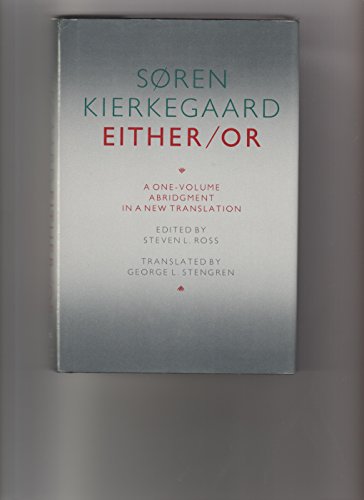
At the heart of human existence lies a fundamental question that shapes the trajectory of our entire lives: How should we live? This groundbreaking philosophical work presents readers with one of the most profound explorations of choice, authenticity, and the different modes of being available to us as conscious individuals navigating the complexities of modern life.
Structured as a collection of papers and letters purportedly written by two different people representing contrasting life philosophies, this text invites readers into an intimate dialogue about the aesthetic versus the ethical life. The aesthetic approach to existence prioritizes immediate experience, beauty, pleasure, and the cultivation of interesting sensations. It represents a life lived for the moment, seeking novelty and avoiding the mundane regularities that seem to drain vitality from experience. The ethical life, conversely, embraces commitment, duty, responsibility, and the construction of a coherent self through choices that bind us to others and to our own principles over time.
What makes this exploration particularly valuable for contemporary readers seeking personal transformation is its refusal to provide easy answers. Rather than prescribing a single path, the work presents each lifestyle with remarkable depth and sympathy, allowing readers to recognize themselves in both perspectives. Many people oscillate between these modes without consciously understanding the philosophical foundations of their choices. By bringing these patterns into clear focus, readers gain the capacity to examine their own lives with fresh eyes and intentionality.
Read more ▼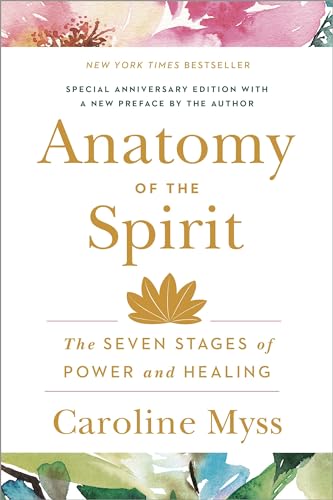
Caroline Myss

Simon Starr
The quest for happiness often leads to frustration, as many fail to realize that the...

Reaching sixty can evoke complex emotions, blending relief with ongoing ambition. This...

The quest for life's purpose often leads to unsatisfactory answers. This article...

Imagine going through one of the most physically and emotionally demanding experiences...

Romantic love is a complex emotion shaped by historical, cultural, and biological...

Daily actions often conflict with personal beliefs due to past experiences. By utilizing...

Have you ever argued over something that wasn't actually said? From cultural differences...

Therapists often use dream interpretation to delve into patients' emotions, but true...