












Do you find yourself repeatedly drawn into relationships where you lose yourself? Are you constantly managing other people's emotions, needs, and crises while neglecting your own wellbeing? Do you struggle with setting boundaries, fear abandonment, or feel responsible for making others happy? If these patterns resonate with you, discovering the roots of codependency and learning how to break free from these cycles can be transformative for your life.
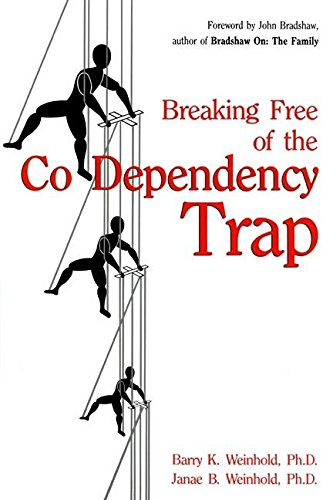
Codependency represents one of the most pervasive yet misunderstood relationship dynamics affecting millions of people across all demographics and social backgrounds. Unlike addiction, which is often more visible and discussed openly, codependency operates quietly in the background of our relationships, shaping how we connect with others in ways we may not even recognize. It manifests as an excessive reliance on others for self-worth, an inability to recognize and honor personal boundaries, and a compulsive need to control or manage relationships to feel secure.
The exploration of codependency patterns reveals that these behaviors typically originate in childhood experiences within our families of origin. Growing up in environments where emotions were unpredictable, where love was conditional, or where we learned to prioritize others' needs above our own creates the foundation for codependent patterns in adulthood. Perhaps you had a parent struggling with addiction, mental illness, or emotional unavailability, and as a child, you developed sophisticated coping mechanisms to survive and maintain connection. You learned to read emotional cues expertly, to anticipate needs before they were expressed, and to modify your own behavior to keep the peace. These survival strategies that once protected you have now become obstacles to authentic relationships and personal fulfillment.
Understanding the distinction between healthy interdependence and unhealthy codependency is crucial. Healthy relationships involve mutual support, respect for individual autonomy, and genuine concern balanced with self-care. Codependent relationships, by contrast, create entanglement where identity becomes fused with another person, where sacrifice becomes a way of life, and where love is expressed through caretaking and control rather than genuine acceptance.
The journey toward freedom begins with developing honest awareness of how codependency manifests in your specific relationships and daily life. This means examining the beliefs you hold about love, worthiness, and responsibility. It means recognizing the fears that drive your behaviors and the payoffs you receive from staying stuck in familiar patterns. While these patterns cause pain, they also feel safe because they are known and habitual. Breaking free requires courage to face the uncertainty of developing new relationship skills and a different sense of identity.
Recovery involves learning to rebuild your relationship with yourself. Many people trapped in codependency have spent so long focusing on others that they have lost touch with their own thoughts, feelings, preferences, and needs. Rediscovering yourself means reconnecting with what brings you joy, what you believe in, and what you truly want your life to become. It means learning to validate yourself rather than constantly seeking validation from others.
Setting boundaries emerges as one of the most essential and challenging skills to develop. Boundaries are not walls that keep people out; they are healthy limits that allow you to protect your energy, time, and emotional wellbeing while remaining open to genuine connection. Learning to say no without guilt, to prioritize your own needs, and to allow others to experience the natural consequences of their choices represents a radical shift for many codependent individuals.
This transformational work offers profound benefits. As you free yourself from codependency patterns, you experience increased self-esteem, greater emotional stability, and deeper authentic connections. You develop resilience based on self-reliance rather than dependence on others' approval. You create the possibility of relationships based on genuine love and mutual respect rather than fear and obligation.
This comprehensive resource provides both the understanding and practical guidance necessary to recognize these patterns, understand their origins, and develop new ways of relating to yourself and others that honor your inherent worth and autonomy.