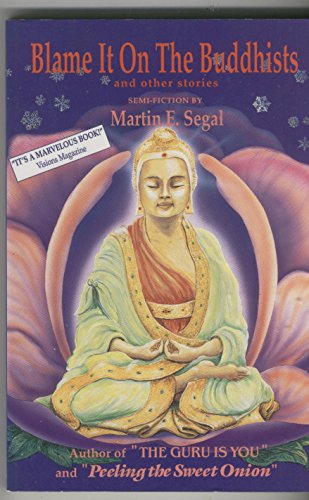

















Discover a collection of stories that weaves together the profound teachings of Eastern philosophy with the everyday challenges of Western life. This remarkable work presents a series of interconnected narratives that explore how ancient spiritual wisdom can illuminate the confusion, conflicts, and contradictions we face in our modern world.
The stories contained here operate on multiple levels simultaneously. On the surface, they entertain with wit, humor, and engaging characters. Beneath that entertaining exterior lies a deeper exploration of how we assign blame, avoid responsibility, and often miss the transformative opportunities hidden within our difficulties. The title itself—suggesting we blame it on the Buddhists—serves as a gentle provocation, inviting readers to examine their own tendency to externalize their problems rather than taking ownership of their spiritual growth.
Throughout these narratives, you will encounter characters grappling with universal human experiences: misunderstandings in relationships, workplace frustrations, personal shortcomings, and the struggle to live with integrity and purpose. What makes this collection special is how each story subtly introduces Buddhist principles and Eastern wisdom as naturally occurring elements of resolution and understanding. Rather than presenting philosophy as abstract doctrine, the narratives demonstrate these timeless teachings in action, showing how acceptance, mindfulness, non-attachment, and compassionate awareness can transform our perspective on challenging situations.
The stories serve as mirrors, reflecting aspects of ourselves back to us. Readers will recognize familiar patterns in their own lives—the tendency to blame circumstances, other people, or bad luck for our unhappiness. Through the unfolding of each narrative, the collection gently guides us toward the understanding that our greatest source of suffering often stems from our resistance to reality and our reluctance to examine our own role in creating conflict. This insight, while potentially uncomfortable, opens the doorway to genuine liberation and personal transformation.
One of the remarkable aspects of this work is its accessibility. You need not be a practicing Buddhist or versed in Eastern philosophy to find deep value here. The stories speak a universal language, addressing the human condition in ways that transcend cultural boundaries and spiritual backgrounds. Whether you are new to meditation, unfamiliar with Buddhist teachings, or already deeply committed to a contemplative practice, these narratives will offer fresh perspectives and unexpected wisdom.
Readers will gain practical insights into how to approach life's inevitable conflicts with greater equanimity and understanding. The collection demonstrates that spiritual growth is not about achieving some perfect state of enlightenment, but rather about gradually shifting our relationship with difficulty, learning to respond rather than react, and discovering that the solutions to our problems often lie not in changing external circumstances but in transforming our inner consciousness.
The stories also explore the paradox that often we must first understand and accept ourselves—including our flaws, fears, and failings—before we can truly grow beyond them. This compassionate approach to personal development stands in stark contrast to the harsh self-judgment that often characterizes our inner dialogue. Through the journeys of the characters presented here, you will learn that genuine spiritual progress emerges not from condemning ourselves but from clear-eyed awareness combined with kindness.
This collection represents an invitation to slow down, reflect, and reconsider the narratives you tell yourself about your challenges. It is a reminder that wisdom traditions spanning thousands of years contain profound insights directly applicable to the pressures and perplexities of contemporary life. By the time you finish reading, you will likely find yourself questioning your habitual patterns of blame, noticing where you might take greater responsibility for your own experience, and discovering that the path to peace and fulfillment lies closer than you imagined—within the transformation of your own perception and response to life itself.