



















A profound examination of modern philanthropy and elite problem-solving awaits readers willing to question the systems they've been taught to admire. This transformative work challenges one of contemporary society's most celebrated narratives: that the world's richest and most powerful people are benevolent forces working to improve humanity's condition. By exploring how the wealthy frame their charitable endeavors and what consequences these approaches truly generate, readers gain critical insight into structures of power that shape our world in ways most never consciously recognize.
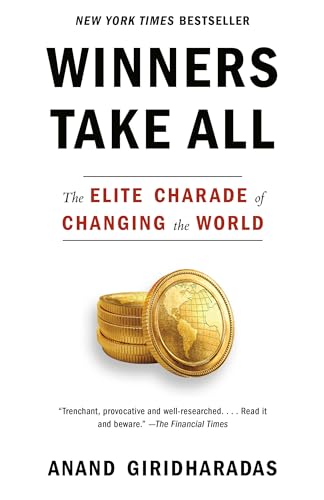
The central revelation that unfolds throughout these pages centers on what has become known as "philanthropic capitalism"βthe notion that billionaires and large corporations, through their charitable giving and market-based solutions, represent our best hope for solving global problems. This concept has become so deeply embedded in contemporary culture that questioning it feels almost heretical. Yet this book methodically deconstructs the mythology surrounding elite benevolence, revealing how these supposedly selfless efforts often serve to entrench existing power structures while simultaneously allowing the wealthy to maintain the systems that generated their fortunes in the first place.
Readers will discover how the richest individuals on Earth have masterfully repositioned themselves as saviors rather than beneficiaries of an unjust system. The book reveals the mechanisms through which billionaires donate strategically to causes while lobbying against policies that would create systemic change. This paradox forms the heart of the investigation: how can someone simultaneously work to help the poor while opposing minimum wage increases, supporting tax cuts that disproportionately benefit the wealthy, and resisting regulations that would fundamentally alter the structures that created their vast accumulations?
Throughout these pages, you'll encounter detailed examinations of specific case studies that illustrate this pattern. These real-world examples serve as windows into understanding how modern "changemaking" by elites has become a tool for preserving their influence and wealth rather than genuinely redistributing power or resources. The book explores how prestigious conferences, exclusive clubs, and high-profile charitable initiatives create an appearance of problem-solving while allowing fundamental inequalities to persist unchecked.
One of the most valuable lessons this work offers involves understanding the difference between charity and justice. Charity, as traditionally practiced by the wealthy, allows them to feel virtuous while maintaining control. Justice, by contrast, involves structural change that challenges existing hierarchies. By learning to distinguish between these approaches, readers develop a more sophisticated understanding of social change and their own role in creating it.
For those committed to personal empowerment and genuine transformation, this book provides essential knowledge. True empowerment cannot emerge from within a system of delusion. When we fail to understand how power actually operates in our world, we remain unconscious participants in systems that may contradict our deepest values. By seeing clearly how privilege operates, how narratives are constructed, and how solutions are often designed to appear revolutionary while remaining fundamentally conservative, readers gain the clarity necessary for authentic action.
This examination also speaks to spiritual consciousness and ethical awakening. Many spiritual seekers are drawn to social justice not as a political stance but as an expression of universal interconnectedness and compassion. This work provides the practical analysis that complements spiritual insight, offering readers tools to align their values with their actions and investments in the world.
What makes this exploration particularly timely is its recognition that a new consciousness is emerging. Younger generations increasingly question whether the existing power structures truly serve humanity's highest good. This book validates those intuitions while providing the evidence and analysis to support them. It empowers readers to move beyond naive acceptance of elite narratives and toward active participation in genuine systemic change.
Ultimately, understanding these hidden mechanics of power serves personal empowerment by liberating readers from unconscious participation in systems that may contradict their values, enabling more conscious and effective choices about how to direct their time, resources, and attention toward authentic transformation.