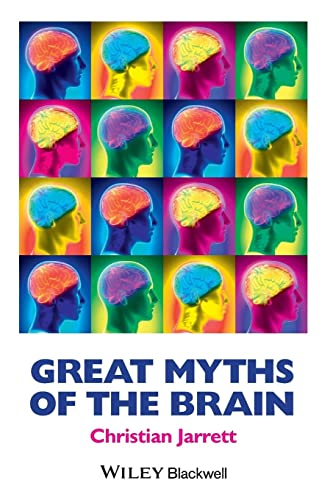














Have you ever heard that we only use ten percent of our brain? Or that we're either left-brained or right-brained? Perhaps you've accepted the idea that our brains are essentially "hardwired" after childhood, unchangeable and fixed in their capabilities. These ideas seem reasonable, even credible, yet they represent some of the most persistent myths about how our minds actually work. Discovering the truth behind these widespread beliefs can fundamentally shift how you understand yourself, your potential for growth, and your capacity for change.
Our brains are fascinating organs, yet they're often misunderstood. Popular culture, well-intentioned self-help resources, and even some educational institutions have perpetuated claims about brain function that simply don't hold up to scientific scrutiny. These myths persist because they're often intuitive, memorable, and appealing. They suggest quick fixes for complex problems or offer flattering explanations for our limitations. But when we build our understanding of ourselves on faulty foundations, we limit our potential and sometimes make choices that don't serve our wellbeing.
This exploration of brain science separates neuroscientific reality from popular folklore, examining fifteen widespread assumptions about how our brains work. Readers discover that many cherished beliefs about memory, learning, intelligence, and human potential are oversimplifications at best or outright false at worst. The implications are profound. When you understand how your brain actually functions, you can make better decisions about how to learn effectively, manage stress, improve relationships, and pursue personal growth with realistic expectations and evidence-based strategies.
One major misconception involves the nature of memory itself. Many people believe memories work like video recordings, capturing precise details of past events that we simply retrieve when needed. In reality, memory is far more creative and reconstructive. Each time we remember something, we actually reconstruct that memory, and it can change in the process. Understanding this helps explain why eyewitness testimony is unreliable and why our memories of emotionally significant events aren't always accurate. More importantly, it reveals opportunities for reframing painful memories and building new mental associations that support healing and growth.
Intelligence represents another area thick with misconceptions. Many believe intelligence is largely fixed from birth, a trait you either have or don't. Yet neuroscience reveals that cognitive abilities are substantially shaped by practice, effort, and experience. The brain's plasticity—its remarkable ability to form new neural connections throughout life—means you can develop skills, expand capabilities, and enhance mental performance at any age. This understanding empowers people to approach learning with growth-oriented perspectives rather than fixed mindsets.
The brain and consciousness relationship generates numerous myths as well. People often believe the brain works like a computer with discrete processing steps, or that consciousness represents our brain's primary function. Understanding the actual architecture of brain function reveals how much of our mental life occurs outside conscious awareness, how automatically many complex processes unfold, and why our intuitions sometimes mislead us.
For those committed to personal growth and self-improvement, recognizing these myths matters enormously. When you stop believing in fixed limitations and start understanding the brain's actual capabilities, you open doors to genuine development. When you understand how memory actually works, you can employ better study techniques. When you grasp how attention functions, you can minimize distractions more effectively. When you recognize the brain's plasticity, you can approach challenges with the knowledge that struggle and effort create lasting change.
Beyond practical benefits, this exploration cultivates intellectual humility and scientific literacy. In our information-saturated age, we encounter countless claims about the brain, from productivity hacks to learning supplements to therapeutic interventions. Armed with accurate understanding, you can evaluate these claims critically rather than accepting them uncritically. This discernment extends beyond neuroscience into all areas where popular beliefs influence personal decisions.
Perhaps most importantly, understanding what modern neuroscience actually reveals about brain function—rather than what we wish were true or what appeals to our intuitions—supports authentic personal transformation. Real change emerges from accurate self-knowledge. By aligning your understanding with scientific reality, you create the foundation for genuine growth, effective learning, and meaningful development that honors how you actually work.