
















Happiness & Success
Achieving Happiness Through Acceptance of Life
The quest for happiness often leads to frustration, as many fail to realize that the...

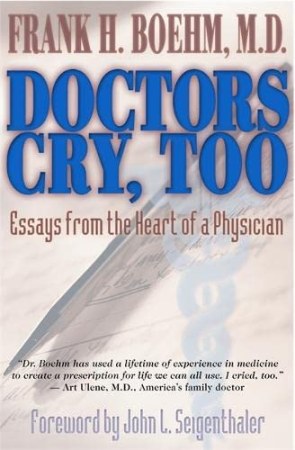
Behind the white coat and stethoscope stands a human being who feels pain, grief, frustration, and fear just like everyone else. Yet medical culture has long perpetuated the myth of physician invincibility, creating an environment where doctors are expected to be emotionally bulletproof while facing life and death situations daily. This powerful exploration tears down that dangerous facade and reveals the profound emotional toll that practicing medicine takes on those who have dedicated their lives to healing others.
Through deeply personal stories and honest reflections from the front lines of medical practice, readers gain unprecedented access to the inner world of physicians who wrestle with impossible decisions, devastating losses, and the crushing weight of responsibility for human lives. These narratives illuminate how the very qualities that make someone an excellent doctor—empathy, conscientiousness, perfectionism—can become sources of profound suffering when errors occur, patients die, or the healthcare system fails those in need.
The journey through these pages confronts the pervasive culture of silence that prevents medical professionals from acknowledging their emotional wounds. From the earliest days of medical training, students learn to suppress their feelings, to maintain professional distance, and to project confidence even when terrified. This emotional armor, while seemingly protective, often leads to burnout, depression, substance abuse, and even suicide at rates significantly higher than the general population. By bringing these hidden struggles into the light, a path opens toward healing not just for physicians but for the entire healthcare system.
Read more ▼
The quest for happiness often leads to frustration, as many fail to realize that the...

Reaching sixty can evoke complex emotions, blending relief with ongoing ambition. This...

The quest for life's purpose often leads to unsatisfactory answers. This article...

Romantic love is a complex emotion shaped by historical, cultural, and biological...

Imagine going through one of the most physically and emotionally demanding experiences...

Have you ever argued over something that wasn't actually said? From cultural differences...

Daily actions often conflict with personal beliefs due to past experiences. By utilizing...

Therapists often use dream interpretation to delve into patients' emotions, but true...