













Happiness & Success
Achieving Happiness Through Acceptance of Life
The quest for happiness often leads to frustration, as many fail to realize that the...


Kindness stands as perhaps the most underrated yet transformative force available to each of us, and this compact yet profound meditation on living a meaningful life makes an eloquent case for placing compassion at the center of our daily existence. Born from a commencement address delivered to graduates stepping into an uncertain world, this work distills decades of hard-won wisdom into an accessible exploration of what truly matters when we look back on our lives.
At the heart of this exploration lies a simple yet revolutionary question: What do people regret most as they near the end of their days? The answer, drawn from personal reflection and observation, points not to risks untaken or ambitions unmet, but to failures of kindness—those moments when we could have reached out, could have shown compassion, could have made someone's burden lighter, but didn't. This insight serves as the foundation for a compelling argument that kindness isn't merely a nice quality to possess but rather the most important pursuit of a life well lived.
The wisdom shared here doesn't arrive packaged in abstract philosophy or unreachable ideals. Instead, readers encounter honest acknowledgment of human nature's tendencies toward self-centeredness, fear, and the countless ways our own anxieties and insecurities prevent us from showing up fully for others. There's a refreshing candor in recognizing that kindness doesn't come naturally or easily to most of us. We're biologically wired to protect ourselves, to prioritize our own needs, to view the world through the narrow lens of personal survival and advancement. Understanding this isn't cause for despair but rather the starting point for intentional growth.
Read more ▼
Johann Wolfgang von Goethe
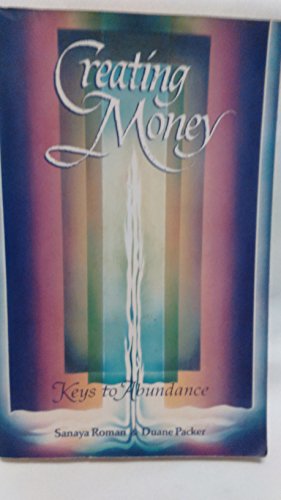
Sanaya Roman, Duane Packer

Diana De Luca
Hans Rosling, Ola Rosling, Anna Rosling Rönnlund
The quest for happiness often leads to frustration, as many fail to realize that the...

Reaching sixty can evoke complex emotions, blending relief with ongoing ambition. This...

The quest for life's purpose often leads to unsatisfactory answers. This article...

Imagine going through one of the most physically and emotionally demanding experiences...

Romantic love is a complex emotion shaped by historical, cultural, and biological...

Daily actions often conflict with personal beliefs due to past experiences. By utilizing...

Have you ever argued over something that wasn't actually said? From cultural differences...

Therapists often use dream interpretation to delve into patients' emotions, but true...