

















Happiness & Success
Achieving Happiness Through Acceptance of Life
The quest for happiness often leads to frustration, as many fail to realize that the...

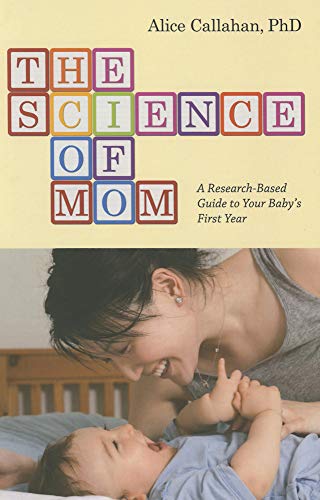
Navigating the overwhelming world of infant care and early childhood development requires more than just instinct—it demands a clear understanding of what scientific evidence actually tells us versus what cultural myths and marketing pressures would have us believe. For new and expectant parents facing countless decisions about feeding, sleeping, vaccination, and developmental milestones, the ability to distinguish between evidence-based recommendations and pseudoscience becomes an invaluable professional skill that impacts not only family wellbeing but also workplace productivity and career sustainability.
Modern parenthood presents a unique challenge for career-minded individuals who value rational decision-making in their professional lives but find themselves confronted with contradictory advice, guilt-inducing judgments, and expensive products promising optimal outcomes for their children. The economic implications of early parenting choices are substantial, from the costs associated with different feeding methods to the financial burden of unnecessary products marketed to anxious parents. Learning to evaluate claims critically and make informed decisions based on actual research can save thousands of dollars while reducing the mental load that so often interferes with professional focus and advancement.
The exploration begins with pregnancy and childbirth, examining what research reveals about prenatal nutrition, genetic screening, birth interventions, and postpartum recovery. These foundational topics matter immensely for working parents planning parental leave, evaluating healthcare options, and preparing for the transition between career and caregiving responsibilities. Understanding the evidence behind common medical recommendations empowers parents to advocate effectively for themselves within healthcare systems and make choices aligned with both scientific understanding and personal values.
Read more ▼
The social control of technology
David Collingridge
Carl Rhodes
Margaret M. Lynch, Daylle Deanna Schwartz, Nick Ortner
What you think of me is none of my business
Terry Cole-Whittaker
The quest for happiness often leads to frustration, as many fail to realize that the...

Reaching sixty can evoke complex emotions, blending relief with ongoing ambition. This...

The quest for life's purpose often leads to unsatisfactory answers. This article...

Romantic love is a complex emotion shaped by historical, cultural, and biological...

Imagine going through one of the most physically and emotionally demanding experiences...

Have you ever argued over something that wasn't actually said? From cultural differences...

Daily actions often conflict with personal beliefs due to past experiences. By utilizing...

Therapists often use dream interpretation to delve into patients' emotions, but true...