














Happiness & Success
Achieving Happiness Through Acceptance of Life
The quest for happiness often leads to frustration, as many fail to realize that the...

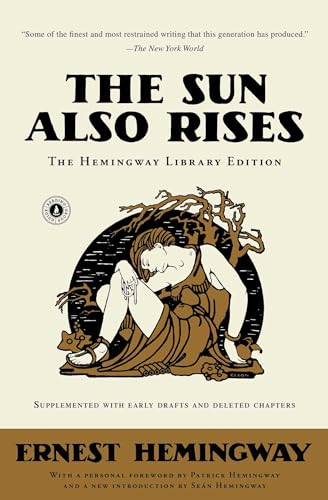
At the heart of this literary masterpiece lies a profound exploration of what it means to rebuild oneself after experiencing profound personal devastation. Set against the backdrop of 1920s Paris and the sun-drenched festival of Pamplona, this narrative delves into the lives of individuals grappling with invisible wounds, searching for meaning in a world that seems to have lost its moorings.
The story follows a group of expatriates navigating the aftermath of World War I, each carrying psychological and physical scars that shape their relationships, choices, and attempts to find purpose. Through their interactions, readers encounter a raw examination of masculinity in crisis, the search for authentic connection, and the struggle to maintain dignity when traditional values have crumbled. These themes resonate powerfully today as we collectively navigate our own forms of trauma, displacement, and the challenge of constructing meaningful lives amid uncertainty.
What makes this work particularly valuable for those on a path of personal growth is its unflinching honesty about human vulnerability. The characters cannot escape their wounds through geographic change or endless distraction, whether through alcohol, romance, or adventure. This mirrors our own contemporary tendency to seek external solutions to internal struggles. The narrative demonstrates that running from pain only intensifies it, while facing our wounds directly, though excruciating, offers the only genuine path toward healing.
Read more ▼
The quest for happiness often leads to frustration, as many fail to realize that the...

Reaching sixty can evoke complex emotions, blending relief with ongoing ambition. This...

The quest for life's purpose often leads to unsatisfactory answers. This article...

Romantic love is a complex emotion shaped by historical, cultural, and biological...

Imagine going through one of the most physically and emotionally demanding experiences...

Have you ever argued over something that wasn't actually said? From cultural differences...

Daily actions often conflict with personal beliefs due to past experiences. By utilizing...

Therapists often use dream interpretation to delve into patients' emotions, but true...