




















Happiness & Success
Achieving Happiness Through Acceptance of Life
The quest for happiness often leads to frustration, as many fail to realize that the...


Understanding the hidden forces that shape our economic lives represents one of the most powerful forms of personal empowerment available today. This groundbreaking work reveals how concentrated corporate power has systematically dismantled the foundations of American economic democracy over the past century, and more importantly, it illuminates the path toward reclaiming individual agency and collective prosperity.
At its core, this exploration takes readers on a revelatory journey through forgotten history, uncovering the dramatic battles that determined whether everyday citizens or giant monopolies would control the economic landscape. Beginning in the early twentieth century and extending to our present moment, the narrative demonstrates how a vigorous antimonopoly tradition once protected small businesses, workers, and consumers from predatory corporate power. This tradition wasn't merely regulatory policy but represented a profound philosophical commitment to dispersing power and preserving individual liberty through economic independence.
Readers discover how visionary leaders from both political parties once understood that concentrated economic power inevitably threatens democracy itself. Through compelling profiles of largely forgotten champions who fought against monopolistic forces, the work reveals strategic insights about how determined individuals can challenge seemingly insurmountable institutional power. These historical figures weren't just politicians or activists but ordinary people who recognized that their personal freedom depended on maintaining competitive, open markets where talent and hard work mattered more than inherited advantage or corporate dominance.
Read more ▼
Alexandra Horowitz
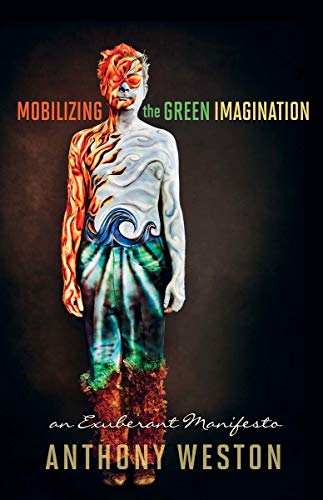
Mobilizing The Green Imagination An Exuberant Manifesto
Anthony Weston
Alcoholics Anonymous

Rhonda Byrne
The quest for happiness often leads to frustration, as many fail to realize that the...

Reaching sixty can evoke complex emotions, blending relief with ongoing ambition. This...

The quest for life's purpose often leads to unsatisfactory answers. This article...

Imagine going through one of the most physically and emotionally demanding experiences...

Romantic love is a complex emotion shaped by historical, cultural, and biological...

Daily actions often conflict with personal beliefs due to past experiences. By utilizing...

Have you ever argued over something that wasn't actually said? From cultural differences...

Therapists often use dream interpretation to delve into patients' emotions, but true...