


















Happiness & Success
Achieving Happiness Through Acceptance of Life
The quest for happiness often leads to frustration, as many fail to realize that the...


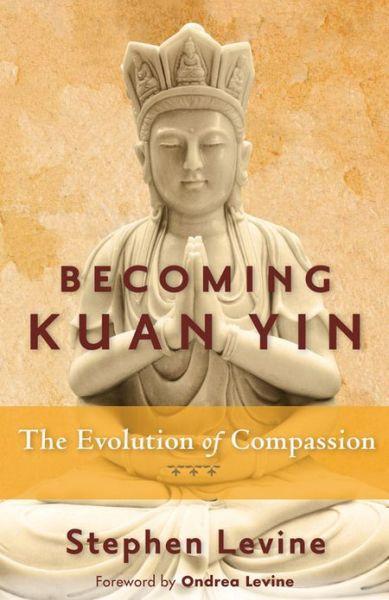
At the heart of Mahayana Buddhism lies one of the most profound commitments a person can make: the aspiration to achieve enlightenment not merely for oneself, but for the benefit of all sentient beings. This ancient practice offers a revolutionary approach to personal transformation that directly challenges our habitual self-centeredness and opens a pathway to unlimited compassion and wisdom.
Readers embarking on this journey will discover a comprehensive exploration of what it means to dedicate one's entire spiritual path to serving others. The text illuminates both the philosophical foundations and practical applications of this sacred commitment, making accessible teachings that have been transmitted through generations of accomplished meditation masters. Through clear explanations and traditional insights, the material bridges the gap between classical Buddhist wisdom and contemporary spiritual practice.
The exploration begins by examining the motivation behind such an extraordinary undertaking. Why would someone vow to postpone their own final liberation until all beings are freed from suffering? The answer reveals a profound understanding of interconnection and the nature of true happiness. When we recognize that our own wellbeing is inseparable from that of others, self-interest and altruism merge into a single, powerful force for transformation. This shift in perspective represents nothing less than a complete reorientation of our values and priorities.
Read more ▼
Elly Mackay

Dan Millman

Jodie Forrest

Sam McKegney
The quest for happiness often leads to frustration, as many fail to realize that the...

Reaching sixty can evoke complex emotions, blending relief with ongoing ambition. This...

The quest for life's purpose often leads to unsatisfactory answers. This article...

Romantic love is a complex emotion shaped by historical, cultural, and biological...

Imagine going through one of the most physically and emotionally demanding experiences...

Have you ever argued over something that wasn't actually said? From cultural differences...

Daily actions often conflict with personal beliefs due to past experiences. By utilizing...

Therapists often use dream interpretation to delve into patients' emotions, but true...