









Happiness & Success
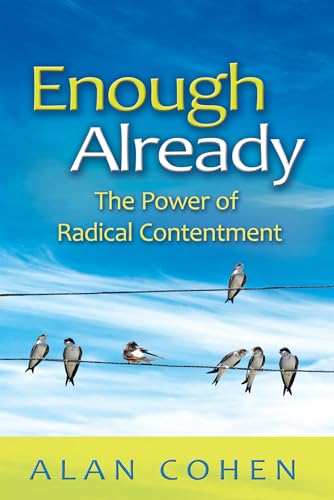
Achieving Happiness Through Acceptance of Life
The quest for happiness often leads to frustration, as many fail to realize that the...

Ancient healing wisdom meets modern wellness needs in this comprehensive exploration of one of the world's oldest holistic health systems. For over five thousand years, practitioners have refined and perfected this sophisticated approach to physical, mental, and spiritual wellbeing, and now Western readers can access these time-tested principles in an accessible, practical format designed for contemporary life.
At the heart of this healing tradition lies a profound understanding that each person is unique, requiring individualized approaches to health rather than one-size-fits-all solutions. Through detailed explanations of the three fundamental energetic types, or doshas—Vata, Pitta, and Kapha—readers learn to identify their own constitutional makeup and understand how their specific combination influences everything from digestion and sleep patterns to emotional responses and disease susceptibility. This personalized framework empowers individuals to make informed choices about diet, lifestyle, and self-care practices that align with their natural constitution rather than following generic health advice that may not serve their particular needs.
The exploration extends far beyond simple categorization, delving into practical applications for daily living. Comprehensive guidance on nutrition reveals how different foods affect different constitutional types, explaining why certain diets work magnificently for some people while leaving others feeling depleted. Detailed food lists, preparation methods, and eating practices help readers transform their relationship with nourishment, viewing meals not merely as caloric intake but as medicine that can balance or imbalance the system. The emphasis on eating according to season, climate, and individual constitution provides a sustainable approach to nutrition that honors both traditional wisdom and modern nutritional understanding.
Read more ▼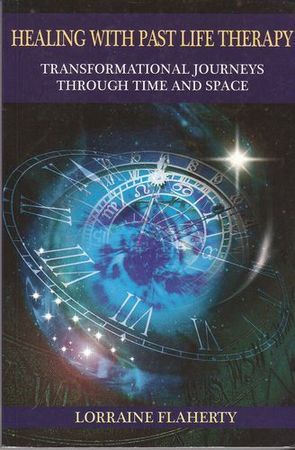
Healing with Past Life Therapy
Lorraine Flaherty
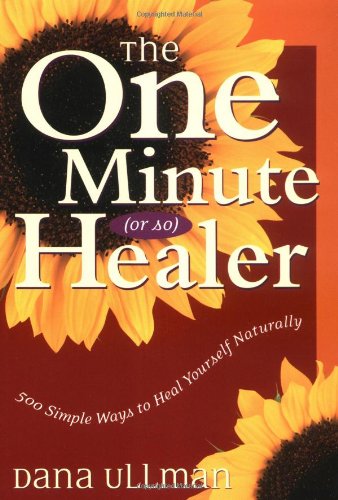
Dana Ullman
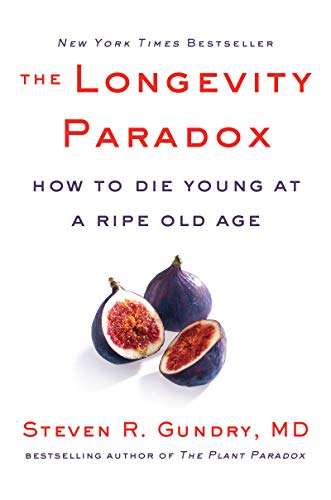
Dr. Steven R Gundry MD
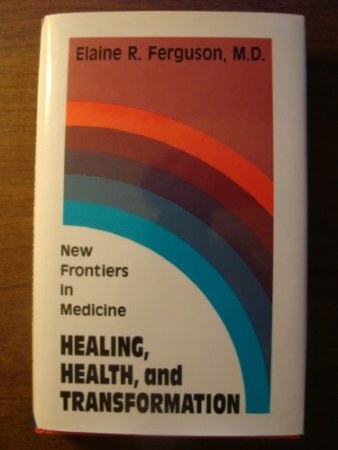
Healing, Health and Transformation
Elaine R. Ferguson
The quest for happiness often leads to frustration, as many fail to realize that the...

Reaching sixty can evoke complex emotions, blending relief with ongoing ambition. This...

The quest for life's purpose often leads to unsatisfactory answers. This article...

Romantic love is a complex emotion shaped by historical, cultural, and biological...

Imagine going through one of the most physically and emotionally demanding experiences...

Have you ever argued over something that wasn't actually said? From cultural differences...

Daily actions often conflict with personal beliefs due to past experiences. By utilizing...

Therapists often use dream interpretation to delve into patients' emotions, but true...