














Happiness & Success
Achieving Happiness Through Acceptance of Life
The quest for happiness often leads to frustration, as many fail to realize that the...


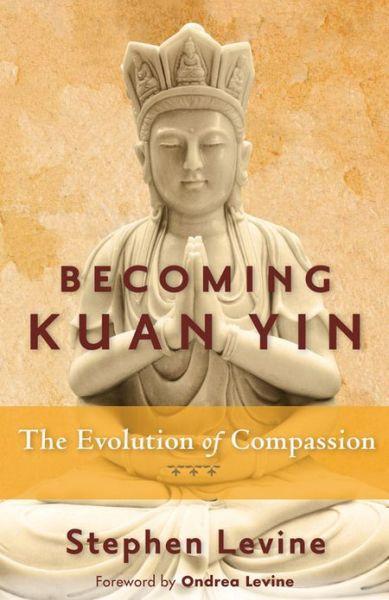
At the heart of personal transformation lies a profound question: How can we shift from a life centered on our own narrow concerns to one that embraces the wellbeing of all? This ancient Buddhist text, composed in eighth-century India, offers a revolutionary path toward answering this question through the practice of cultivating bodhicitta, the awakened heart that aspires to achieve enlightenment for the benefit of all beings.
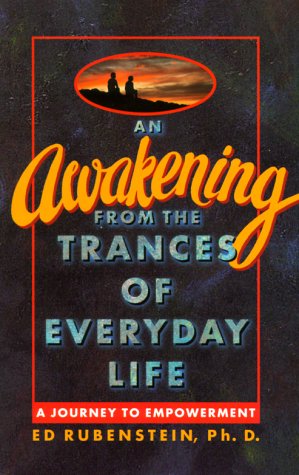
What emerges from these pages is nothing less than a complete manual for personal empowerment through radical compassion. Rather than seeking power over others or accumulating achievements for personal gain, this work presents empowerment as the development of qualities that liberate both oneself and others from suffering. The teachings progress systematically through stages of spiritual development, beginning with foundational practices and advancing toward the most sublime realizations of wisdom and compassion.
The journey begins with contemplations on impermanence and the precious opportunity represented by human life. These reflections create urgency and motivation, awakening readers from complacency and helping them recognize the transformative potential of each moment. From this foundation, the text guides practitioners through the essential practice of taking refuge and generating the aspiration to achieve enlightenment not for personal salvation alone, but for the liberation of all beings without exception.
Read more ▼
Wolfe, Gregory., Gregory Wolfe, Suzanne M. Wolfe

Genia Pauli Haddon

Abd-Ru-Shin
The quest for happiness often leads to frustration, as many fail to realize that the...

Reaching sixty can evoke complex emotions, blending relief with ongoing ambition. This...

The quest for life's purpose often leads to unsatisfactory answers. This article...

Romantic love is a complex emotion shaped by historical, cultural, and biological...

Imagine going through one of the most physically and emotionally demanding experiences...

Have you ever argued over something that wasn't actually said? From cultural differences...

Daily actions often conflict with personal beliefs due to past experiences. By utilizing...

Therapists often use dream interpretation to delve into patients' emotions, but true...