














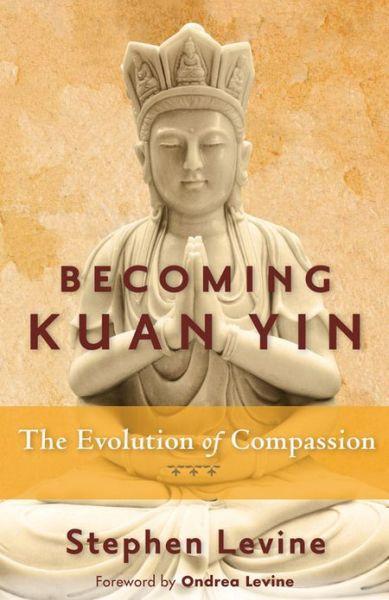

Happiness & Success
Achieving Happiness Through Acceptance of Life
The quest for happiness often leads to frustration, as many fail to realize that the...


Life's most difficult moments—whether personal crises, collective upheavals, or the accelerating changes happening to our planet—often leave us feeling groundless and afraid. Yet these very moments of falling apart contain within them the seeds of profound transformation and awakening. This guide offers a radical approach to navigating uncertainty, pain, and chaos by teaching us to lean into discomfort rather than resist it.
Drawing from ancient Buddhist wisdom and decades of teaching experience, this work presents a counterintuitive path: instead of seeking solid ground when everything feels unstable, we can learn to befriend the groundlessness itself. This approach proves especially relevant as we face the environmental crisis unfolding around us. Climate change, ecosystem collapse, and the uncertainty of our planetary future create a pervasive anxiety that traditional comfort-seeking strategies cannot address. The teachings here offer tools for remaining present and responsive even as familiar structures crumble.
The core philosophy revolves around the concept of staying present with difficult emotions and experiences rather than numbing ourselves or escaping into distraction. When we witness environmental destruction, species extinction, or the mounting evidence of climate catastrophe, our natural response is often denial, panic, or despair. These teachings provide an alternative: cultivating the courage to remain awake to reality while developing compassion for ourselves and others who share this challenging moment in history.
Read more ▼
Ric Giardina
Path to a Sustainable Civilisation
Mark Diesendorf, Rod Taylor

Cindy Conner

Gregory Smith, Craig Henderson
The quest for happiness often leads to frustration, as many fail to realize that the...

Reaching sixty can evoke complex emotions, blending relief with ongoing ambition. This...

The quest for life's purpose often leads to unsatisfactory answers. This article...

Romantic love is a complex emotion shaped by historical, cultural, and biological...

Imagine going through one of the most physically and emotionally demanding experiences...

Have you ever argued over something that wasn't actually said? From cultural differences...

Daily actions often conflict with personal beliefs due to past experiences. By utilizing...

Therapists often use dream interpretation to delve into patients' emotions, but true...