











Happiness & Success
Achieving Happiness Through Acceptance of Life
The quest for happiness often leads to frustration, as many fail to realize that the...


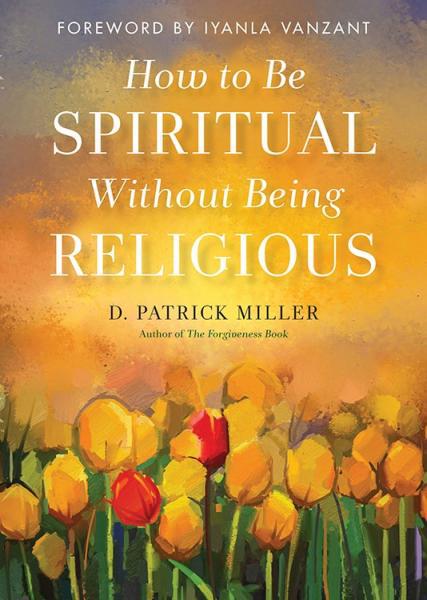
Our justice system rests on a foundation thousands of years old, built on concepts of punishment, retribution, and an adversarial approach to resolving conflicts. Yet despite centuries of refinement, this punitive model continues to produce outcomes that leave victims unsatisfied, offenders unreformed, and communities fractured. What if the very framework we've inherited for understanding justice is fundamentally flawed? What if there exists a more transformative approach that could heal rather than harm, unite rather than divide, and restore rather than destroy?
These provocative questions open a doorway to exploring a revolutionary reconceptualization of justice itself—one that draws from both ancient wisdom traditions and cutting-edge understandings of human consciousness. At the heart of this exploration lies a simple yet profound insight: our current justice paradigm is rooted in dualistic thinking, a worldview that sees reality in terms of good versus evil, guilty versus innocent, winner versus loser. This binary framework inevitably creates separation, fosters vengeance, and perpetuates cycles of harm.
Readers discover how restorative justice principles offer a compelling alternative—one that prioritizes healing relationships over inflicting punishment, seeks understanding over condemnation, and works toward wholeness rather than retribution. Through this lens, crime becomes understood not merely as lawbreaking deserving punishment, but as a breach in the human community that creates an obligation to repair harm and restore right relationships. This shift from asking "What punishment does the offender deserve?" to "What does healing require?" represents nothing less than a transformation in consciousness.
Read more ▼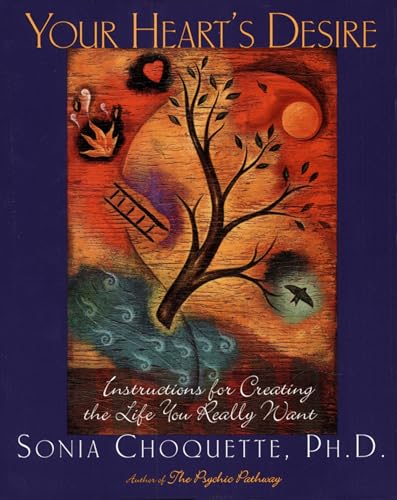
Sonia Choquette
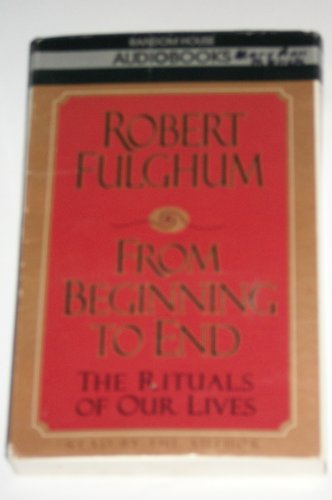
Robert Fulghum

Marshall, George

Sarah Elton
The quest for happiness often leads to frustration, as many fail to realize that the...

Reaching sixty can evoke complex emotions, blending relief with ongoing ambition. This...

The quest for life's purpose often leads to unsatisfactory answers. This article...

Imagine going through one of the most physically and emotionally demanding experiences...

Romantic love is a complex emotion shaped by historical, cultural, and biological...

Daily actions often conflict with personal beliefs due to past experiences. By utilizing...

Have you ever argued over something that wasn't actually said? From cultural differences...

Therapists often use dream interpretation to delve into patients' emotions, but true...