













Happiness & Success
Achieving Happiness Through Acceptance of Life
The quest for happiness often leads to frustration, as many fail to realize that the...


Victorian England provides the rich backdrop for an extraordinary journey of self-discovery that challenges readers to examine their own assumptions about identity, authenticity, and the courage required to live truth in a world that demands conformity. Set against the glittering world of music halls and the hidden corners of late nineteenth-century London, this narrative follows a young woman's transformation from provincial innocence to hard-won wisdom about who she truly is and what she deserves from life.
At its heart, this story explores the universal human quest for authentic self-expression in the face of societal expectations and limitations. The protagonist begins her journey as Nancy Astley, an oyster girl in a small coastal town whose life is forever altered when she encounters a male impersonator performing at a local music hall. This encounter sparks not only romantic awakening but also a profound recognition of possibilities beyond the narrow confines of her working-class existence. Her subsequent journey through various incarnations and identities becomes a powerful metaphor for the process of shedding false selves and inherited limitations that many people experience in their own paths toward authenticity.
What makes this exploration of personal empowerment particularly resonant is its unflinching examination of how we construct and reconstruct our identities throughout life. Readers witness the protagonist navigate multiple worlds and adopt various personas, each teaching valuable lessons about survival, compromise, and the price of denying one's true nature. From the exhilarating freedom of theatrical performance to the gilded cage of financial dependence, from the depths of poverty and exploitation to the discovery of genuine community and solidarity, each phase of the journey illuminates different aspects of what it means to claim personal power.
Read more ▼
Susan Campbell
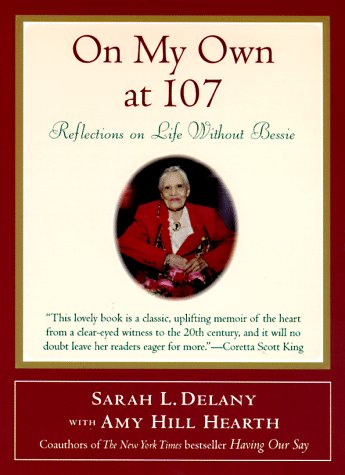
Sarah Louise Delany, Amy Hill Hearth

Natural wonders of the Florida Keys
Deborah Straw

Pankaj K. Vij
The quest for happiness often leads to frustration, as many fail to realize that the...

Reaching sixty can evoke complex emotions, blending relief with ongoing ambition. This...

The quest for life's purpose often leads to unsatisfactory answers. This article...

Romantic love is a complex emotion shaped by historical, cultural, and biological...

Imagine going through one of the most physically and emotionally demanding experiences...

Have you ever argued over something that wasn't actually said? From cultural differences...

Daily actions often conflict with personal beliefs due to past experiences. By utilizing...

Therapists often use dream interpretation to delve into patients' emotions, but true...