










Happiness & Success
Achieving Happiness Through Acceptance of Life
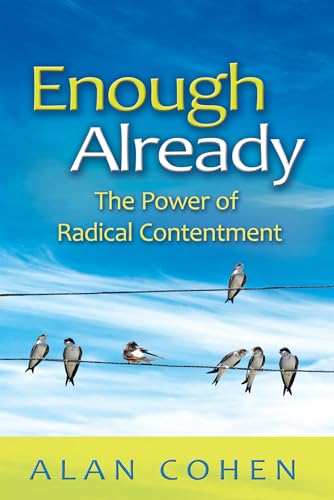
The quest for happiness often leads to frustration, as many fail to realize that the...


Discover the profound wisdom and practical insights of seventy-five extraordinary individuals who have dedicated their lives to creating a more peaceful world. Through intimate portraits and revealing conversations, readers gain unprecedented access to the philosophies, strategies, and personal journeys of Nobel Peace Prize laureates, spiritual leaders, human rights activists, and visionaries who have transformed conflict into understanding across the globe.
At its core, this collection explores the fundamental question of how ordinary people can become agents of extraordinary change. Each profile reveals the defining moments, personal struggles, and breakthrough insights that shaped these leaders' paths toward peacemaking. From Buddhist monks and Christian theologians to environmental activists and political reformers, the diversity of perspectives offers a comprehensive understanding of peace as a multifaceted practice that transcends cultural, religious, and ideological boundaries.
Readers will encounter the Dalai Lama's teachings on compassion and inner transformation, Archbishop Desmond Tutu's wisdom on forgiveness and reconciliation, and Thich Nhat Hanh's practices for mindful living. The collection also features lesser-known yet equally powerful voices working in war zones, impoverished communities, and political frontlines, demonstrating that peacemaking happens at every level of society. These portraits illuminate how personal transformation and social change are inextricably linked, offering a roadmap for anyone seeking to make meaningful contributions to a more harmonious world.
Read more ▼
The quest for happiness often leads to frustration, as many fail to realize that the...

Reaching sixty can evoke complex emotions, blending relief with ongoing ambition. This...

The quest for life's purpose often leads to unsatisfactory answers. This article...

Imagine going through one of the most physically and emotionally demanding experiences...

Romantic love is a complex emotion shaped by historical, cultural, and biological...

Daily actions often conflict with personal beliefs due to past experiences. By utilizing...

Have you ever argued over something that wasn't actually said? From cultural differences...

Therapists often use dream interpretation to delve into patients' emotions, but true...