













Happiness & Success
Achieving Happiness Through Acceptance of Life
The quest for happiness often leads to frustration, as many fail to realize that the...


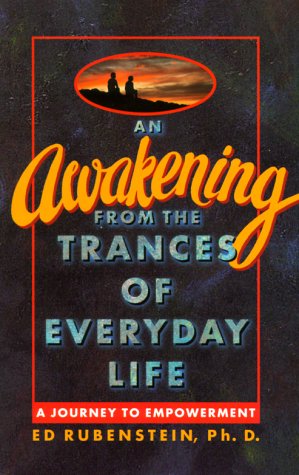
Democracy begins not in voting booths or legislative chambers, but within the consciousness of individual citizens who recognize their own untapped potential and inherent capacity to shape society. This groundbreaking work explores the profound connection between personal transformation and collective political evolution, arguing that authentic democratic participation requires individuals who have first awakened to their own possibilities and learned to transcend the limiting beliefs that keep them disengaged from civic life.
At the heart of this exploration lies a radical premise: the crisis facing modern democracy is fundamentally a crisis of human potential. When citizens operate from places of fear, scarcity consciousness, and perceived powerlessness, they become vulnerable to manipulation, apathy, and the surrender of their democratic responsibilities. The path to revitalizing democratic institutions and creating a more just, equitable society necessarily passes through the transformation of individual consciousness and the expansion of what we believe ourselves capable of achieving.
Readers will discover practical frameworks for understanding how personal limitations translate into political paralysis. The material examines the psychological barriers that prevent people from engaging meaningfully with democratic processes, from the belief that one person cannot make a difference to the paralyzing fear of taking unpopular stands. Through accessible explanations grounded in both psychological insight and spiritual wisdom, a pathway emerges for transcending these obstacles and stepping into fuller civic participation.
Read more ▼
King, Alexander.

Corruption of American Politics
Elizabeth A. Drew

孙武, Stephen F. Kaufman, Lionel Giles, Onésimo Colavidas

Hidden History of the War on Voting
Thom Hartmann
The quest for happiness often leads to frustration, as many fail to realize that the...

Reaching sixty can evoke complex emotions, blending relief with ongoing ambition. This...

The quest for life's purpose often leads to unsatisfactory answers. This article...

Romantic love is a complex emotion shaped by historical, cultural, and biological...

Imagine going through one of the most physically and emotionally demanding experiences...

Have you ever argued over something that wasn't actually said? From cultural differences...

Daily actions often conflict with personal beliefs due to past experiences. By utilizing...

Therapists often use dream interpretation to delve into patients' emotions, but true...