










Happiness & Success
Achieving Happiness Through Acceptance of Life
The quest for happiness often leads to frustration, as many fail to realize that the...

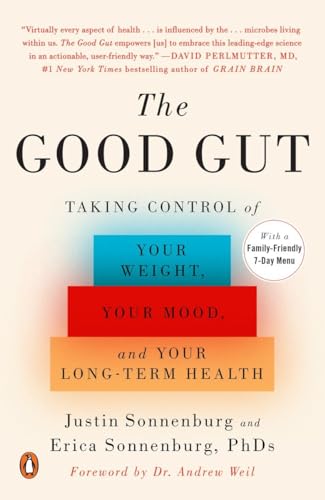
Deep within your digestive system lives a thriving metropolis of microorganisms that profoundly influences nearly every aspect of your health and wellbeing. These trillions of bacteria, collectively known as the gut microbiome, play a crucial role in everything from digestion and immunity to mental health and weight management. Understanding and nurturing this internal ecosystem represents one of the most powerful steps you can take toward optimal health and vitality.
Modern life has declared war on our microbial allies, often without our awareness. The widespread use of antibiotics, processed foods stripped of fiber, obsessive sanitization, and environmental toxins have dramatically altered the composition of our gut bacteria compared to our ancestors. This shift hasn't been neutral. Research increasingly links disrupted gut microbiomes to rising rates of obesity, diabetes, inflammatory bowel disease, allergies, asthma, and even depression and anxiety. The good news is that we possess remarkable power to restore and revitalize these microscopic partners through conscious choices about what we eat and how we live.
Drawing on cutting-edge microbiome research conducted at Stanford University, this groundbreaking work bridges the gap between complex scientific discoveries and practical daily application. Readers gain access to insights gleaned from years of laboratory research, clinical studies, and personal experimentation, all translated into actionable strategies for transforming gut health. The approach recognizes that caring for your microbiome isn't about following rigid rules but rather understanding fundamental principles that allow you to make informed choices aligned with your unique circumstances and goals.
Read more ▼
The Toaster Oven Cookbook (Nitty Gritty Cookbooks)
David Diresta, Joanne Foran
Sue Spitler, Linda R. Yoakam
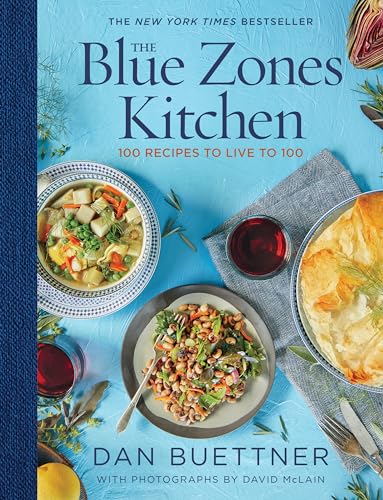
The Blue Zones Kitchen: 100 Recipes to Live to 100
Dan Buettner
Zen and the Art of Cooking (Zen and the Art of)
Jon Sandifer
The quest for happiness often leads to frustration, as many fail to realize that the...

Reaching sixty can evoke complex emotions, blending relief with ongoing ambition. This...

The quest for life's purpose often leads to unsatisfactory answers. This article...

Romantic love is a complex emotion shaped by historical, cultural, and biological...

Imagine going through one of the most physically and emotionally demanding experiences...

Have you ever argued over something that wasn't actually said? From cultural differences...

Daily actions often conflict with personal beliefs due to past experiences. By utilizing...

Therapists often use dream interpretation to delve into patients' emotions, but true...