


















Happiness & Success
Achieving Happiness Through Acceptance of Life
The quest for happiness often leads to frustration, as many fail to realize that the...

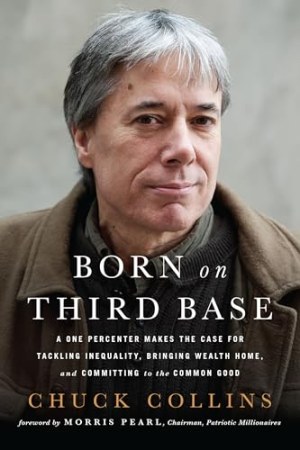
Imagine inheriting wealth and privilege, only to realize that the system designed to protect your advantages is fundamentally undermining the common good. This powerful exploration challenges one of America's most deeply held myths: that success is purely the result of individual merit and hard work. Through deeply personal storytelling combined with rigorous economic analysis, readers are invited on a transformative journey that questions everything we've been taught about wealth, success, and what it means to live a meaningful life.
The narrative opens with an unflinching examination of how wealth inequality has reached unprecedented levels in contemporary America, creating a chasm between the extremely wealthy and everyone else. But rather than approaching this as an abstract economic issue, the exploration is grounded in personal experience and moral reckoning. Those born into privilege are challenged to recognize how systemic advantages—from elite education to social networks to family connections—create opportunities that have nothing to do with personal virtue or effort. The baseball metaphor woven throughout asks us to consider: what if some people are born on third base but grow up believing they hit a triple?
For readers committed to personal growth and authentic living, this work offers something rarely found in discussions of wealth and class: a pathway toward genuine integrity for those with resources. It presents a compelling case that true personal empowerment comes not from accumulating more or protecting what we have, but from understanding our interconnectedness and using our resources to strengthen community resilience. This isn't about guilt or shame, but about awakening to reality and discovering the liberation that comes from aligning our actions with our deepest values.
Read more ▼
Catherine Johnson
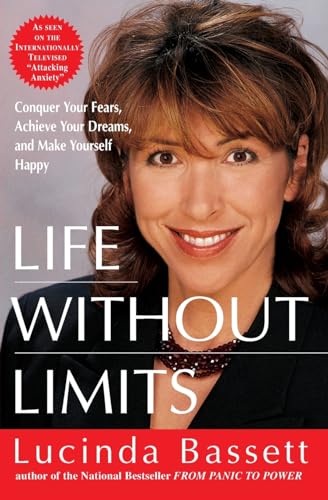
Lucinda Bassett

Kimberly Ripley
The quest for happiness often leads to frustration, as many fail to realize that the...

Reaching sixty can evoke complex emotions, blending relief with ongoing ambition. This...

The quest for life's purpose often leads to unsatisfactory answers. This article...

Imagine going through one of the most physically and emotionally demanding experiences...

Romantic love is a complex emotion shaped by historical, cultural, and biological...

Daily actions often conflict with personal beliefs due to past experiences. By utilizing...

Have you ever argued over something that wasn't actually said? From cultural differences...

Therapists often use dream interpretation to delve into patients' emotions, but true...