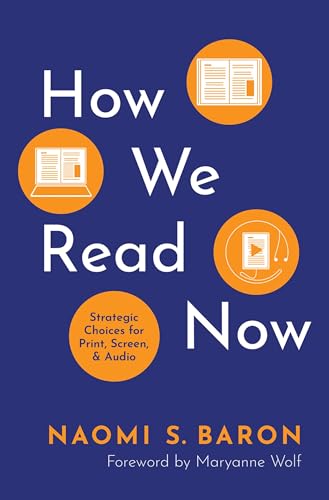



















Our relationship with reading has undergone a seismic shift in the digital age, fundamentally altering not just how we consume information but how we think, learn, and connect with ourselves and others. This profound exploration delves into the cognitive, social, and personal implications of our evolving reading habits in a world dominated by screens, social media, and instant information access.
At the heart of this investigation lies a critical question for anyone seeking personal growth and self-awareness: What are we gaining and losing as we transition from sustained, deep reading to the fragmented, scrolling patterns that characterize digital consumption? Drawing on extensive research, surveys, and real-world observations across multiple countries, this work reveals how our digital reading habits are reshaping our attention spans, comprehension abilities, and capacity for critical thinking.
Readers seeking transformation will discover eye-opening insights about their own reading behaviors. Many of us have noticed that we skim more, retain less, and struggle to maintain focus on longer texts. These aren't personal failings but rather predictable responses to the digital environment we've created. The analysis reveals how platform design, endless notifications, and the temptation of multitasking conspire against the kind of immersive reading that fosters deep learning and personal insight.
The examination goes beyond mere criticism of digital culture to offer a balanced perspective on how different media serve different purposes. While digital platforms excel at providing quick information access and facilitating certain types of learning, print reading continues to offer unique benefits for comprehension, retention, and the kind of reflective thinking essential to personal development. Understanding these distinctions empowers readers to make conscious choices about how they engage with text in various contexts.
For those committed to personal empowerment, the research presented here illuminates the connection between reading practices and our capacity for self-reflection, empathy, and sustained attention. Deep reading isn't merely about absorbing information; it's a practice that cultivates patience, contemplation, and the ability to hold complex ideas in mind. These are precisely the qualities that support meaningful personal transformation and spiritual growth.
The exploration also addresses the social dimensions of our reading evolution. How we read influences how we communicate, form opinions, and engage with diverse perspectives. In an era of information overload and polarization, understanding our reading habits becomes crucial for developing the discernment and critical thinking skills necessary for conscious living and social awareness.
College students, professionals, and lifelong learners will find particular value in the examination of how digital reading affects learning outcomes and knowledge retention. The evidence presented challenges common assumptions about digital natives and reveals that even those who grew up with technology often prefer print for serious reading and learning. This finding suggests something profound about human cognition and the conditions that support genuine understanding.
The work also offers practical wisdom for those seeking to optimize their reading lives. By understanding the trade-offs between digital and print reading, individuals can make intentional choices that align with their goals for personal growth and learning. Whether preparing for deep study, seeking entertainment, or staying informed about current events, matching the medium to the purpose becomes a form of self-care and cognitive hygiene.
Perhaps most importantly for readers interested in consciousness and intentional living, this exploration serves as a mirror reflecting our broader relationship with technology and attention. It challenges us to consider whether our current reading habits serve our highest aspirations or whether they've evolved primarily in response to commercial interests and platform design rather than our authentic needs.
The implications extend to how we raise children, structure education, and design our personal environments for learning and growth. Understanding the neuroscience and psychology behind reading comprehension across different media empowers us to create conditions that support rather than undermine our cognitive capabilities.
This thoughtful investigation ultimately serves as a call to awareness and intentionality in our information age, offering readers the knowledge needed to reclaim agency over their attention and reading lives in service of their personal and spiritual development.
Read more ▼