















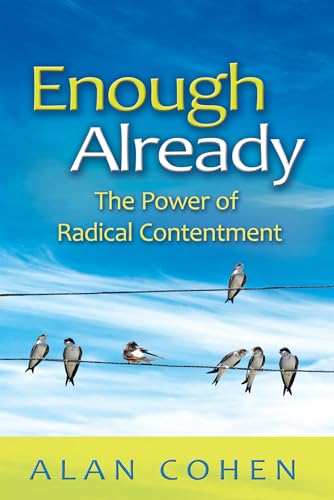



Happiness & Success
Achieving Happiness Through Acceptance of Life
The quest for happiness often leads to frustration, as many fail to realize that the...


Modern work culture promises fulfillment, purpose, and self-actualization through our careers, yet millions find themselves trapped in a paradox where success feels hollow and exhaustion has become the default state of being. This penetrating exploration examines how contemporary capitalism has colonized not just our working hours but our very sense of identity, leaving us spiritually depleted even as we chase professional achievement.
The central insight here challenges everything we've been taught about work-life balance and career satisfaction. Rather than work being merely a means to earn a living, it has become the primary site through which we construct meaning, validate our existence, and prove our worth to ourselves and others. We've internalized corporate values so deeply that we willingly sacrifice sleep, relationships, and health on the altar of productivity. The boundary between personal time and professional obligation has dissolved, with smartphones ensuring we remain perpetually available and psychologically tethered to our jobs even during supposed leisure hours.
What makes this analysis particularly unsettling is how it reveals the ways corporate culture co-opts the language of wellness and personal growth. Mindfulness programs, yoga classes, and employee wellness initiatives aren't necessarily about genuine care for human flourishing. Instead, they often function as mechanisms to extract even more from workers by helping them manage stress just enough to remain productive. The goal isn't liberation but optimization, transforming individuals into self-managing units of human capital who internalize responsibility for their own exploitation.
Read more ▼
David R. Montgomery, David R. Montgomery, Anne Biklé

Randolph Stone

For Women Only! Your Guide to Health Empowerment
Barbara Seaman

Neal Barnard
The quest for happiness often leads to frustration, as many fail to realize that the...

Reaching sixty can evoke complex emotions, blending relief with ongoing ambition. This...

The quest for life's purpose often leads to unsatisfactory answers. This article...

Romantic love is a complex emotion shaped by historical, cultural, and biological...

Imagine going through one of the most physically and emotionally demanding experiences...

Have you ever argued over something that wasn't actually said? From cultural differences...

Daily actions often conflict with personal beliefs due to past experiences. By utilizing...

Therapists often use dream interpretation to delve into patients' emotions, but true...