

















Happiness & Success
Achieving Happiness Through Acceptance of Life
The quest for happiness often leads to frustration, as many fail to realize that the...


Contemporary society has undergone a profound transformation in how leadership is conceived, practiced, and celebrated. What was once a specialized role within organizations has evolved into a dominant ideology that shapes not only our workplaces but our personal identities, political systems, and even our most intimate relationships. This penetrating exploration reveals how the figure of the corporate executive has become a template for human success itself, fundamentally altering our understanding of what it means to live a meaningful and empowered life.
At the heart of this examination lies a crucial question for anyone seeking personal growth and authentic empowerment: How have we arrived at a moment where entrepreneurial thinking, strategic management, and corporate values are presented as universal solutions to problems ranging from poverty and inequality to personal fulfillment and spiritual development? The analysis traces how executive leadership has transcended the boardroom to become a pervasive cultural model, one that promises salvation through market-based solutions while quietly reshaping our deepest values and aspirations.
Readers will discover how this phenomenon impacts their daily lives in unexpected ways. From education systems that frame students as self-managing entrepreneurs to healthcare approaches that position patients as consumers optimizing their wellness portfolios, the logic of corporate management has infiltrated virtually every domain of human experience. Even our pursuit of happiness and self-actualization has been reframed through the language of personal branding, performance metrics, and continuous self-improvement measured against market standards.
Read more ▼
Martha Nibley Beck

The heart of the Buddha's teaching
Thích Nhất Hạnh
Sandy C. Newbigging, Barefoot Doctor
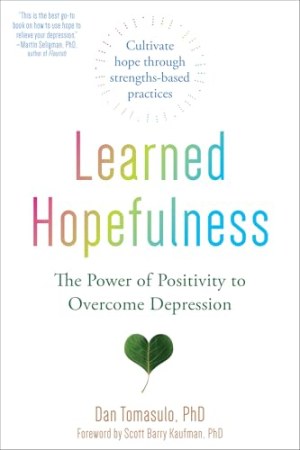
Dan Tomasulo
The quest for happiness often leads to frustration, as many fail to realize that the...

Reaching sixty can evoke complex emotions, blending relief with ongoing ambition. This...

The quest for life's purpose often leads to unsatisfactory answers. This article...

Imagine going through one of the most physically and emotionally demanding experiences...

Romantic love is a complex emotion shaped by historical, cultural, and biological...

Daily actions often conflict with personal beliefs due to past experiences. By utilizing...

Have you ever argued over something that wasn't actually said? From cultural differences...

Therapists often use dream interpretation to delve into patients' emotions, but true...