










Happiness & Success
Achieving Happiness Through Acceptance of Life
The quest for happiness often leads to frustration, as many fail to realize that the...

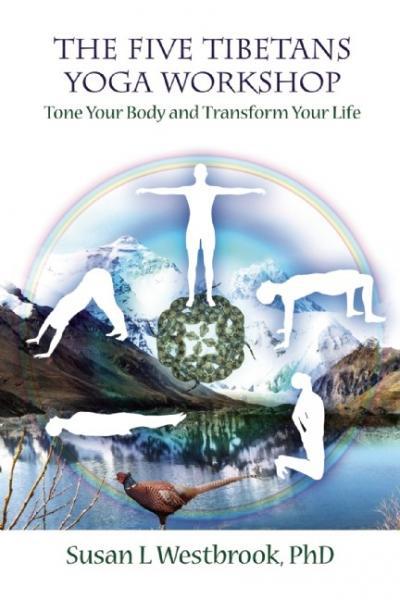
An ancient practice preserved in the mountains of Tibet offers a path to vitality, strength, and renewed energy that takes just minutes each day. Five simple yet powerful exercises, sometimes called rites or movements, form the foundation of a transformative yoga practice that has captivated Western practitioners since its introduction in the 1930s. These movements work synergistically to balance the body's energy centers, strengthen the core, increase flexibility, and promote a profound sense of wellbeing that extends far beyond the physical.
What makes this particular approach to the Five Tibetans so valuable is its workshop format, designed to guide practitioners through each movement with clarity and precision. Rather than simply presenting the exercises and leaving readers to figure out the details on their own, this resource functions as a personal instructor, breaking down each rite into manageable steps while explaining the subtle nuances that make the difference between merely going through the motions and truly embodying the practice.
Each of the five exercises targets specific aspects of physical and energetic health. The first rite, a spinning movement, works to balance the body's energy field and increase spatial awareness. The second strengthens the abdominal muscles and stimulates the solar plexus while opening the throat chakra. The third creates a powerful backbend that opens the heart center and strengthens the entire posterior chain of muscles. The fourth rite, a tabletop position, builds tremendous strength in the arms, shoulders, and core while stimulating the thyroid gland. The fifth, often recognized as a flowing movement between two yoga poses, energizes the entire system and brings all the benefits together in a harmonious sequence.
Read more ▼
The quest for happiness often leads to frustration, as many fail to realize that the...

Reaching sixty can evoke complex emotions, blending relief with ongoing ambition. This...

The quest for life's purpose often leads to unsatisfactory answers. This article...

Have you ever argued over something that wasn't actually said? From cultural differences...

Romantic love is a complex emotion shaped by historical, cultural, and biological...

Imagine going through one of the most physically and emotionally demanding experiences...

Daily actions often conflict with personal beliefs due to past experiences. By utilizing...

Therapists often use dream interpretation to delve into patients' emotions, but true...