




















Happiness & Success
Achieving Happiness Through Acceptance of Life
The quest for happiness often leads to frustration, as many fail to realize that the...


Your appearance matters in the workplace far more than you might realize, and understanding this reality can fundamentally transform how you navigate your professional life and reclaim your personal power. This groundbreaking exploration reveals how contemporary organizations increasingly value not just what workers know or what they can do, but how they look, sound, and present themselves to customers and colleagues.
At the heart of this examination lies a phenomenon that touches millions of workers across service industries, retail environments, hospitality sectors, and corporate settings. The expectation to embody certain aesthetic standards has become an invisible requirement woven into job descriptions, hiring practices, performance evaluations, and promotional decisions. From the flight attendant expected to maintain a particular body type and grooming standard to the barista hired partly for their trendy appearance, to the receptionist selected based on their ability to project a specific corporate image, aesthetic requirements have become central to employment relationships in ways that profoundly affect individual identity, self-worth, and economic opportunity.
What makes this exploration particularly valuable for anyone committed to personal empowerment is its unflinching examination of how these expectations operate beneath the surface of workplace culture. You'll discover how organizations systematically recruit, train, and manage workers to align with brand identities and customer expectations that prioritize appearance and embodied performance. This isn't simply about wearing a uniform or maintaining basic professional grooming. Rather, it extends to weight, height, age, accent, personality expression, and even emotional display, creating situations where your very body and identity become instruments of labor that must be continuously managed and refined.
Read more ▼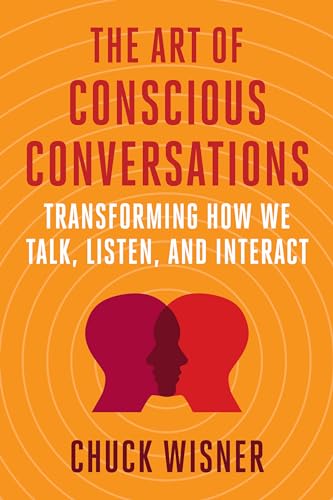
Art of Conscious Conversations
Chuck Wisner

Carroll, Lee, Ph.D.

Pierre Pradervand

Charles Dickens, Groth, Nancy Baker
The quest for happiness often leads to frustration, as many fail to realize that the...

Reaching sixty can evoke complex emotions, blending relief with ongoing ambition. This...

The quest for life's purpose often leads to unsatisfactory answers. This article...

Romantic love is a complex emotion shaped by historical, cultural, and biological...

Imagine going through one of the most physically and emotionally demanding experiences...

Have you ever argued over something that wasn't actually said? From cultural differences...

Daily actions often conflict with personal beliefs due to past experiences. By utilizing...

Therapists often use dream interpretation to delve into patients' emotions, but true...