









Happiness & Success
Achieving Happiness Through Acceptance of Life
The quest for happiness often leads to frustration, as many fail to realize that the...

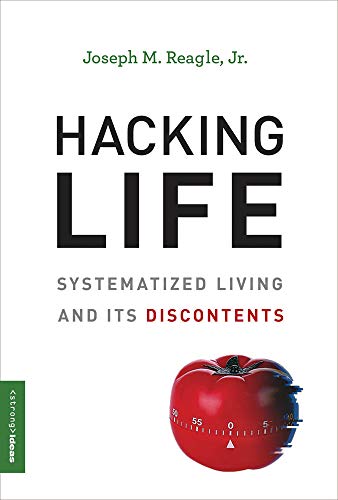
Life optimization has become a cultural phenomenon, with millions of people tracking their steps, monitoring their sleep, and gamifying their habits in pursuit of becoming better versions of themselves. But what happens when our quest for self-improvement becomes entangled with technology, efficiency metrics, and the ideology that everything can be hacked? This fascinating exploration examines the life hacking movement and what it reveals about contemporary culture's relationship with personal development, productivity, and the very notion of what it means to live well.
At its core, life hacking represents an approach to existence that borrows from computer programming culture—the idea that life's challenges are merely problems waiting to be solved through clever shortcuts, optimized routines, and quantified self-knowledge. From biohacking protocols that promise enhanced cognitive function to productivity systems that squeeze every drop of efficiency from your day, these practices have moved from Silicon Valley subculture into mainstream consciousness. Yet beneath the appealing promise of control and improvement lies a complex web of assumptions about human nature, success, and happiness.
Readers will discover how life hacking emerged from the intersection of technology culture, self-help traditions, and neoliberal economics. The movement draws on a rich lineage of American self-improvement, from Benjamin Franklin's moral accounting to Dale Carnegie's people skills, but filters these traditions through a distinctly contemporary lens of technological solutionism. Understanding this genealogy helps illuminate why optimization culture resonates so powerfully today, and what deeper anxieties and aspirations it addresses.
Read more ▼
The quest for happiness often leads to frustration, as many fail to realize that the...

Reaching sixty can evoke complex emotions, blending relief with ongoing ambition. This...

The quest for life's purpose often leads to unsatisfactory answers. This article...

Imagine going through one of the most physically and emotionally demanding experiences...

Romantic love is a complex emotion shaped by historical, cultural, and biological...

Daily actions often conflict with personal beliefs due to past experiences. By utilizing...

Have you ever argued over something that wasn't actually said? From cultural differences...

Therapists often use dream interpretation to delve into patients' emotions, but true...