



Happiness & Success
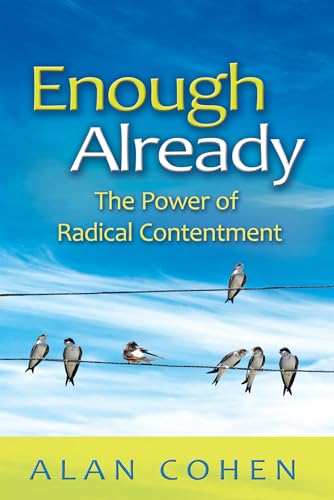
Achieving Happiness Through Acceptance of Life
The quest for happiness often leads to frustration, as many fail to realize that the...

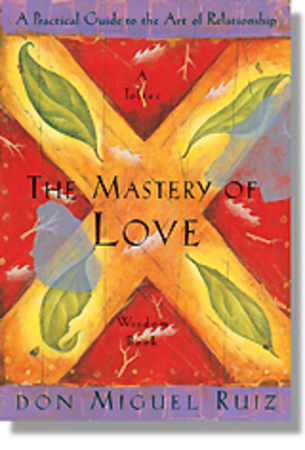
Love stands as one of humanity's most profound experiences, yet it often becomes a source of suffering rather than joy. Drawing from ancient Toltec wisdom, this transformative work illuminates why our relationships frequently disappoint us and reveals a path toward experiencing love as it was meant to be: unconditional, liberating, and profoundly fulfilling.
At the heart of this teaching lies a radical premise: most of what we call love is not love at all, but rather a complex system of agreements, expectations, and emotional transactions rooted in fear. From childhood, we learn to seek love outside ourselves, believing we must earn it through good behavior, sacrifice, or meeting others' expectations. This fundamental misunderstanding creates a wound that shapes every relationship we enter, turning what should be joyous unions into battlegrounds of unmet needs and silent resentments.
The exploration begins with understanding domestication, the process through which society, family, and culture condition us to behave in certain ways. Through this domestication, we develop an internal judge that constantly evaluates our worthiness of love. We learn to abandon our authentic selves in exchange for acceptance, creating a pattern that follows us into adult relationships. When we seek a partner, we unconsciously look for someone to fill the emptiness this domestication has created, placing impossible burdens on our relationships from the very beginning.
Read more ▼
Barbara Max Hubbard
James L. Creighton
Perfect love, imperfect relationships
John Welwood

Michel Odent
The quest for happiness often leads to frustration, as many fail to realize that the...

Reaching sixty can evoke complex emotions, blending relief with ongoing ambition. This...

The quest for life's purpose often leads to unsatisfactory answers. This article...

Imagine going through one of the most physically and emotionally demanding experiences...

Romantic love is a complex emotion shaped by historical, cultural, and biological...

Daily actions often conflict with personal beliefs due to past experiences. By utilizing...

Have you ever argued over something that wasn't actually said? From cultural differences...

Therapists often use dream interpretation to delve into patients' emotions, but true...