








Happiness & Success
Achieving Happiness Through Acceptance of Life
The quest for happiness often leads to frustration, as many fail to realize that the...

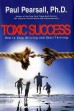
Modern society celebrates busyness, achievement, and relentless productivity as badges of honor. We're taught that success means climbing higher, earning more, and doing it all faster than everyone else. But what if this cultural obsession with conventional success is actually making us sick, destroying our relationships, and stealing our capacity for joy? What if the very achievements we're killing ourselves to attain are preventing us from experiencing the richness and meaning that make life worth living?
This groundbreaking work challenges the fundamental assumptions underlying contemporary definitions of success and achievement. Drawing on decades of clinical experience, extensive research, and compelling real-life stories, it exposes how our addiction to doing, having, and becoming more is creating an epidemic of physical illness, emotional emptiness, and spiritual bankruptcy. The premise is both provocative and profound: many people who appear most successful by society's standards are actually suffering from a toxic syndrome that manifests in stress-related illness, broken families, and a pervasive sense that despite all their accomplishments, something essential is missing.
The exploration begins by identifying the key characteristics of toxic success syndrome, including time urgency, self-centered focus, competitive drive, and an inability to truly rest or be present. These traits, while often rewarded in corporate culture and celebrated in popular media, create a biochemical cascade in the body that leads to compromised immune function, cardiovascular disease, and accelerated aging. Beyond the physical toll, toxic success destroys the very relationships and connections that research consistently identifies as the true source of human happiness and wellbeing.
Read more ▼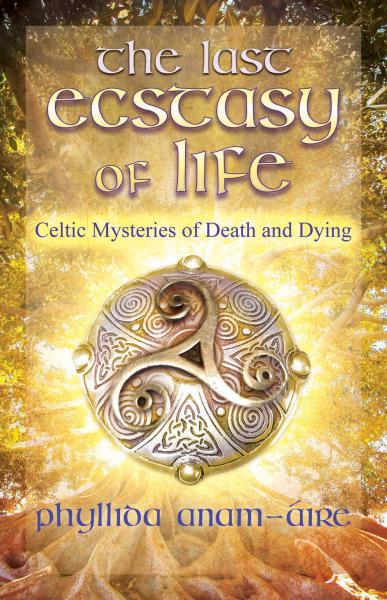
Phyllida Anam-Áire
M. E. Coleman
Steven Washington

Karen Pryor
The quest for happiness often leads to frustration, as many fail to realize that the...

Reaching sixty can evoke complex emotions, blending relief with ongoing ambition. This...

The quest for life's purpose often leads to unsatisfactory answers. This article...

Romantic love is a complex emotion shaped by historical, cultural, and biological...

Imagine going through one of the most physically and emotionally demanding experiences...

Have you ever argued over something that wasn't actually said? From cultural differences...

Daily actions often conflict with personal beliefs due to past experiences. By utilizing...

Therapists often use dream interpretation to delve into patients' emotions, but true...