






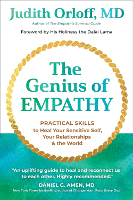

Happiness & Success
Achieving Happiness Through Acceptance of Life
The quest for happiness often leads to frustration, as many fail to realize that the...

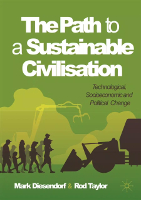
Our planet stands at a crossroads, facing intertwined crises of climate change, biodiversity loss, and social inequality that threaten the very foundations of human civilization. Yet within this challenge lies an extraordinary opportunity for transformation—not just of our energy systems and economies, but of our consciousness and collective values. This comprehensive exploration charts a practical, achievable pathway from our current unsustainable trajectory toward a thriving, regenerative civilization that honors both people and planet.
Drawing on decades of research and real-world case studies, this work dismantles the myth that addressing climate change requires sacrifice or economic decline. Instead, readers discover how transitioning to renewable energy, restoring ecosystems, and building circular economies can generate prosperity, enhance wellbeing, and create millions of meaningful jobs. The vision presented here isn't one of scarcity and limitation, but of abundance realized through wisdom rather than endless extraction.
The journey begins with an honest assessment of where we stand, examining the scientific evidence for climate disruption and ecological breakdown without sugarcoating the urgency of our situation. However, rather than dwelling in paralysis or despair, the focus quickly shifts to solutions that are not only technically feasible but economically viable and politically achievable. Readers learn how nations and communities worldwide are already implementing these changes, providing concrete proof that transformation is possible.
Read more ▼
Ric Giardina

Martin Teitel
Pema Chödrön
Li, Qing (Medical doctor)
The quest for happiness often leads to frustration, as many fail to realize that the...

Reaching sixty can evoke complex emotions, blending relief with ongoing ambition. This...

The quest for life's purpose often leads to unsatisfactory answers. This article...

Romantic love is a complex emotion shaped by historical, cultural, and biological...

Imagine going through one of the most physically and emotionally demanding experiences...

Have you ever argued over something that wasn't actually said? From cultural differences...

Daily actions often conflict with personal beliefs due to past experiences. By utilizing...

Therapists often use dream interpretation to delve into patients' emotions, but true...